The key facts
- Hetton Academy: 80% of pupils achieved at least grade 4 in maths and English, compared with England averages of 57% and 60%
- Only 339 non-selective schools out of ~3,000 showed an average result of 80% over the three years to 2025
- Baroness Morris's inquiry: white working-class families are losing trust in school, especially at the transition to secondary school
A result that defies the statistics
Hetton Academy in the town of Hetton-le-Hole near Sunderland achieved this summer what few schools manage: 80% of pupils passed GCSE maths and English with at least grade 4 — a grade roughly equivalent to the former 'C' and opening the way to work and further education. For comparison, the England average was 57% for maths and 60% for English. Meanwhile, nearly half the school's pupils receive free school meals, meaning they grow up in low-income families, and almost all pupils come from a white working-class background — a group that consistently underperforms in British schools.
How rare such a result is
According to the analysis, only 339 non-selective schools in England out of roughly 3,000 that published data maintained an average pass rate of 80% in maths and English over the three years to 2025. Most such schools are located in more affluent areas, with a smaller share of children from the poorest families and a smaller share of children with special educational needs. Hetton stands out precisely against this backdrop: the region where the school is located posted the worst result for top grades this year — only 3% of GCSE entries in North East England received grade 9, compared with 8% in London, according to the regulator Ofqual.
How the school turned things around
The school's history has not always been one of success: opened in the 1960s as Hetton School, it posted weak results for years, and after the Appleton pit closed in the 1980s families began sending their children to study elsewhere. A 2021 Ofsted report rated the school as 'requiring improvement' — the last report before its conversion to an academy. By 2024, Ofsted was already calling it 'rapidly improving'. Head teacher Vicky Pickney explains the approach through daily short checks of Year 11 pupils at a separate entrance, an hour of extra lessons four days a week after school, 'revision Sundays' with a shared lunch, and 'Fish and Tips' evenings for parents, with fish and chips paid for by the school, where families are explained how to support exam preparation. Ofsted in 2024 noted the 'positive relationships' between pupils and staff, and research published this year by the University of Cambridge, commissioned by the government, linked a sense of 'belonging' at school to significantly higher GCSE results.
Context: why this matters for the whole country
This week the second stage began of an independent inquiry, led by former cabinet minister Baroness Morris, into the causes of underachievement among children from white working-class communities. Education Secretary Lucy Powell said: 'Right now, too many white working-class children are falling behind at every stage of their education.' An earlier stage of the inquiry found that many such families have lost trust in the school system, and that the connection with school 'breaks down' at the transition to secondary school, leading to absences. UCL professor John Jerrim notes that since 2010, despite the GCSE reform, the chances of children from the poorest families passing key exams have barely changed. Professor Lindsey Macmillan, who took part in the inquiry, warns against treating high grades as the only path: she proposes that the government expand initial apprenticeship programmes and workplace-based training. Pickney is confident the school's success is replicable and calls it personal: she herself grew up in a poor family with a single mother.
 Image source, Getty

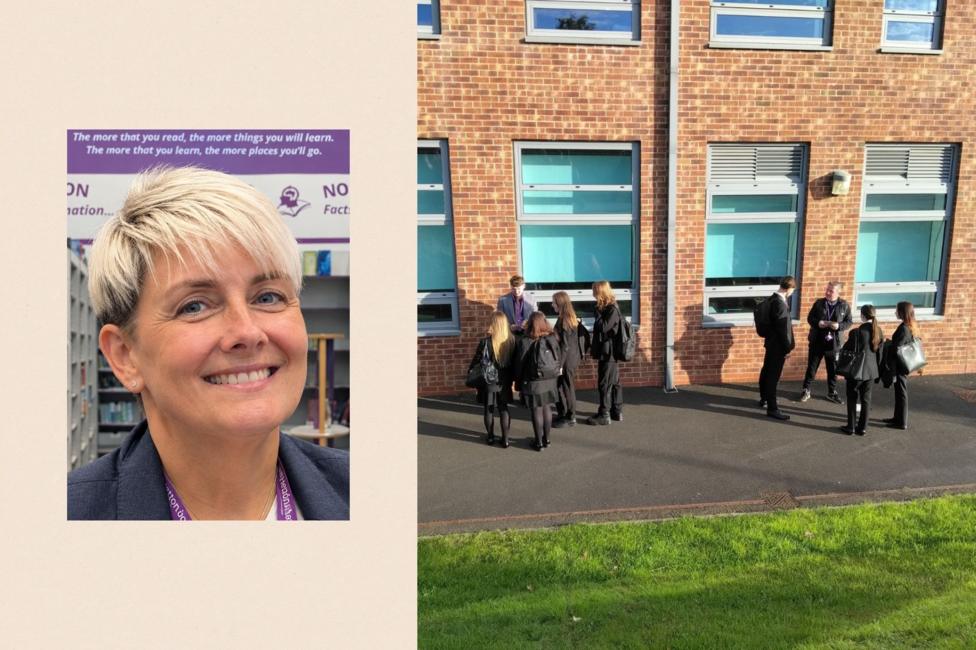 Image source, Hetton Academy
Hetton's principal, Vicky Pinkney, says low incomes shouldn't mean poor results
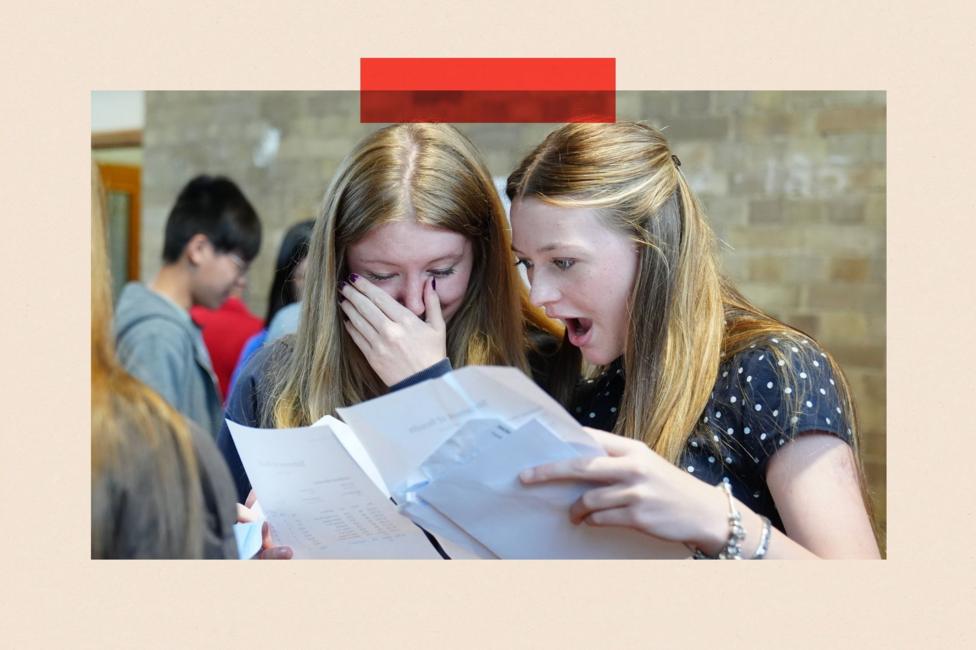 Image source, Owen Humphreys/PA Wire
Pupils who feel they
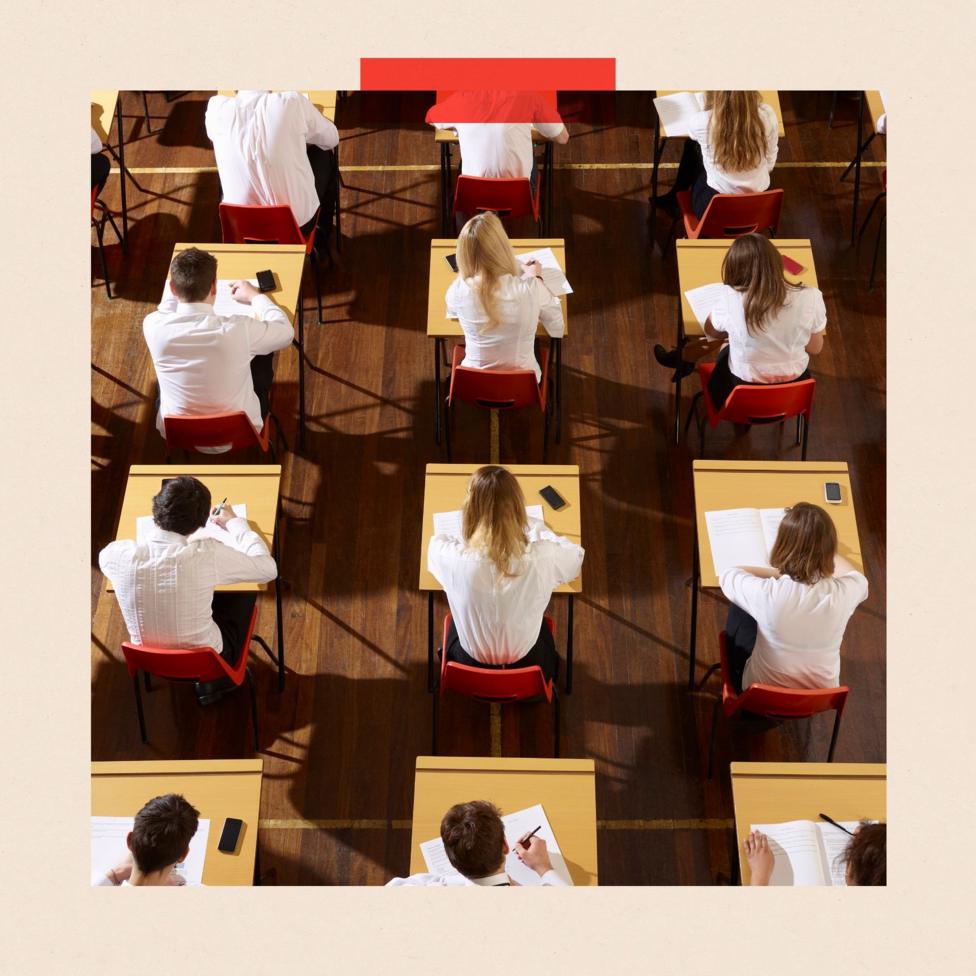 Image source, Getty
The likelihood of the children from the poorest families passing GCSEs has barely changed in many years, says John Jerrim, an education professor at University College London