The key facts
- Zelensky said systematic Starshield speed restrictions of up to 161 km/h have been in effect for several days along the entire front line
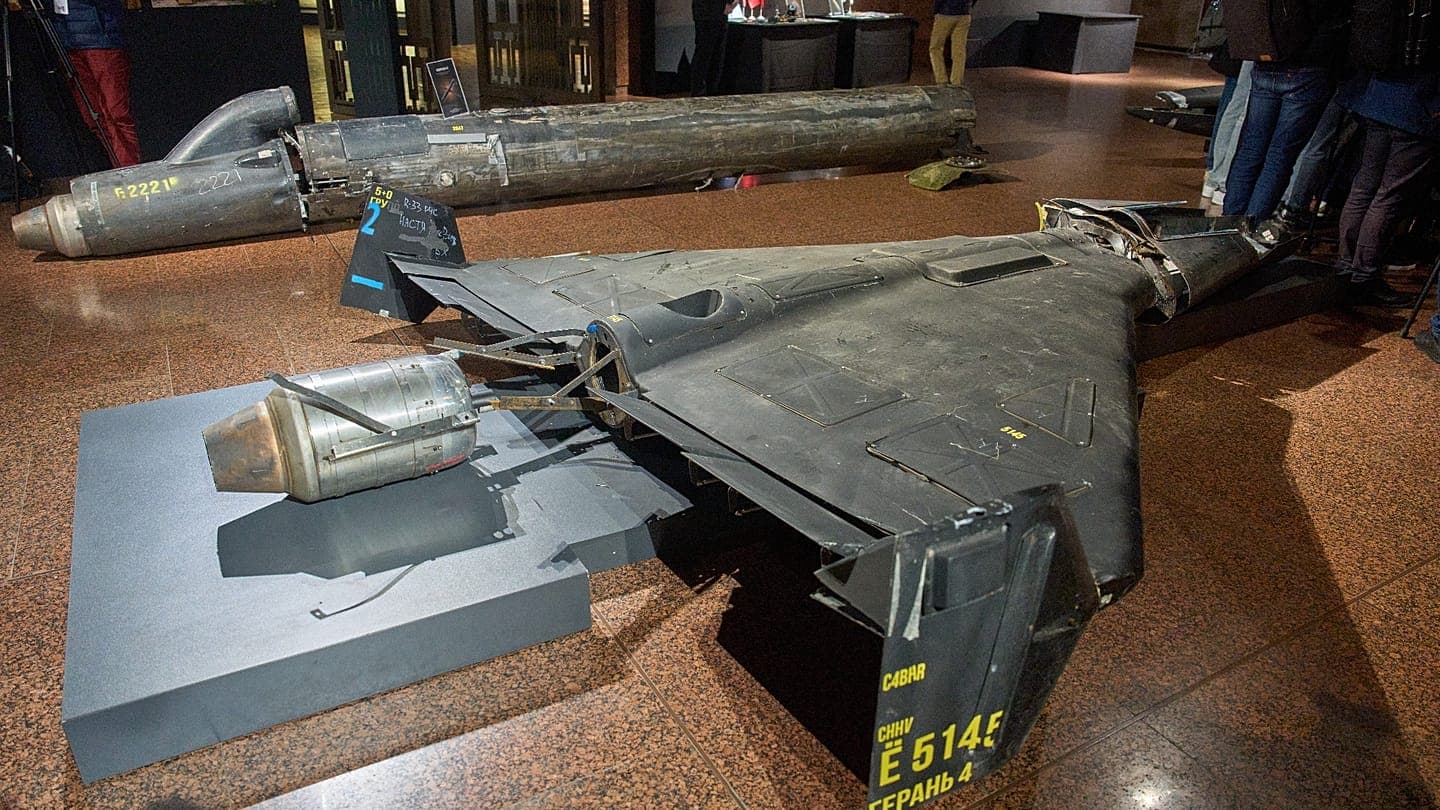
- According to him, because of this, interceptors fail to shoot down Russian jet-powered drones, and some strikes have already gone through
- The restrictions returned less than three weeks after Kyiv announced their removal on October 24
What Zelensky said
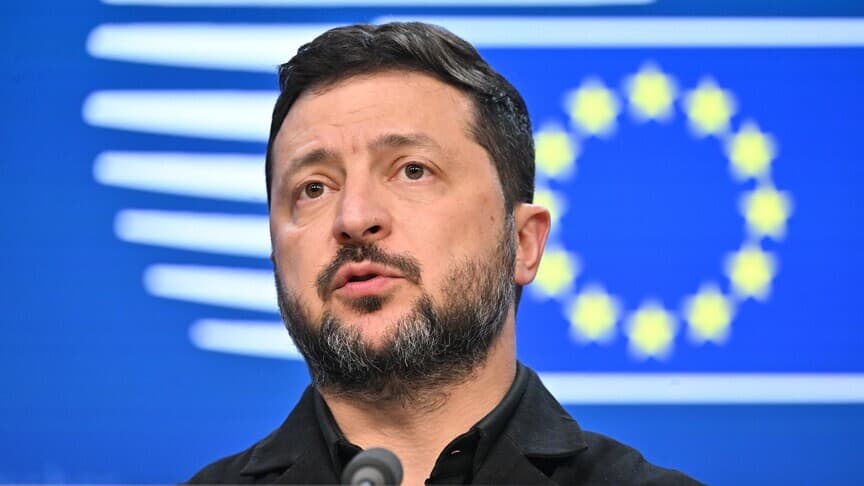
Ukrainian President Volodymyr Zelensky said on Thursday that the Ukrainian army is once again being affected by speed restrictions on the military satellite service Starshield — the SpaceX version of Starlink. According to him, having received reports from Defense Minister Denys Hmar and Commander-in-Chief Mykhailo Drapatyi, he can speak of disruptions 'over the course of several days' along the entire front line and in territories occupied by Russia. 'In particular, systematic speed restrictions are being imposed on Starshield — up to 161 kilometers per hour (100 miles per hour),' Zelensky wrote on X.
Consequences for drone interception
Ukraine's military, according to the president, examined the disruptions and concluded that these are not random technical errors but systematic restrictions. The restriction concerns not the speed of the internet itself, but the speed at which drones and other equipment can move while maintaining a connection with the satellite. For high-speed interceptor drones used against Russian jet-powered strike drones, this is critical. 'For us, this above all means a significant complication of intercepting Russian jet-powered drones,' Zelensky said. He added that 'unfortunately, there have already been strikes that went through because our interception systems cannot reach sufficient speed and fail to intercept in time,' and warned that the restrictions help Russia deliver more precise strikes and lead to new losses. 'We are trying to establish all the circumstances with the American side,' he noted. Neither American officials nor SpaceX has yet commented on these statements.
The restrictions returned less than three weeks later
The new disruptions were recorded less than three weeks after Kyiv announced the problem had been resolved. The restrictions were first noted on the night of October 13–14, when terminals of Ukrainian troops began losing connection while moving at speeds of about 160 km/h, disrupting drone operations, logistics, and battlefield communications. On October 24, Ukraine's Ministry of Defense confirmed the restoration of communication with a stable connection at speeds above 400 km/h, and Zelensky at that time reported the removal of the restrictions after high-level contacts with Washington.
Dispute over responsibility and dependence on the US
Responsibility for the October restrictions remains disputed. Donald Trump denied having ordered the slowdown, Secretary of State Marco Rubio stated that the administration was not involved, and SpaceX head Elon Musk wrote on X that decisions on Starshield speed restrictions are made by the American military and ultimately by the US president: 'The Starshield systems belong to and are controlled by the US government.' Neither Washington nor SpaceX has publicly accepted responsibility for imposing the restrictions. Kyiv's dependence on the network persists: access to Starshield under the current agreement expires in mid-2027, and Ukrainian officials have warned that negotiations on a new agreement need to begin soon. On October 22, Ukraine's Ministry of Defense signed a letter of intent with the Finnish companies ICEYE and Nokia to work on a sovereign satellite communications system that would give Kyiv greater control over military communications. For now, Ukrainian forces remain heavily dependent on the US-controlled network, and the new restrictions once again raise the question of the reliability of access to the system, which is central to the country's air defense. The return of the disruptions comes against the backdrop of difficult peace talks mediated by the US: two days of talks in Abu Dhabi this week ended without a breakthrough on the main disputes, including Moscow's demand that Kyiv cede more of the territories it still controls.