The key facts
- Ukraine and Russia agreed in principle to a large-scale prisoner exchange; final figures are yet to be confirmed, with 1,000–1,500 people per side discussed
- No breakthrough on a ceasefire or territorial disputes was achieved in Abu Dhabi
- Kushner will ask Putin for a 'blessing' to expand the format to include Europeans; Zelensky urged Europeans to agree on a single representative by the end of November
Prisoner exchange — the only tangible outcome of Abu Dhabi
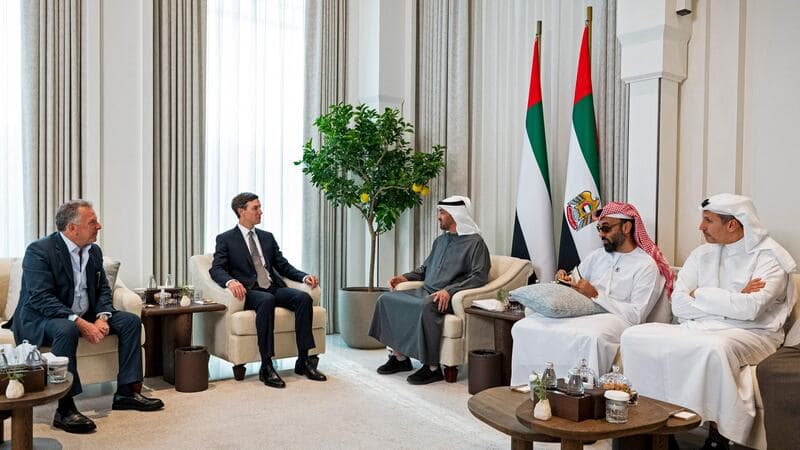
Two days of talks on Ukraine mediated by the United States in Abu Dhabi ended with a single tangible result: Kyiv and Moscow agreed in principle to a large-scale prisoner exchange. Jared Kushner called it the largest humanitarian release of prisoners since the war began; the final figures were to be confirmed the day after the round concluded. Earlier, Volodymyr Zelensky said an exchange of 1,000 detainees per side was being discussed, with the possibility of rising to 1,500. At the same time, no breakthrough was reached on a ceasefire or on the territorial disputes blocking a settlement.
Kushner intends to raise the question of the Europeans at Putin's level
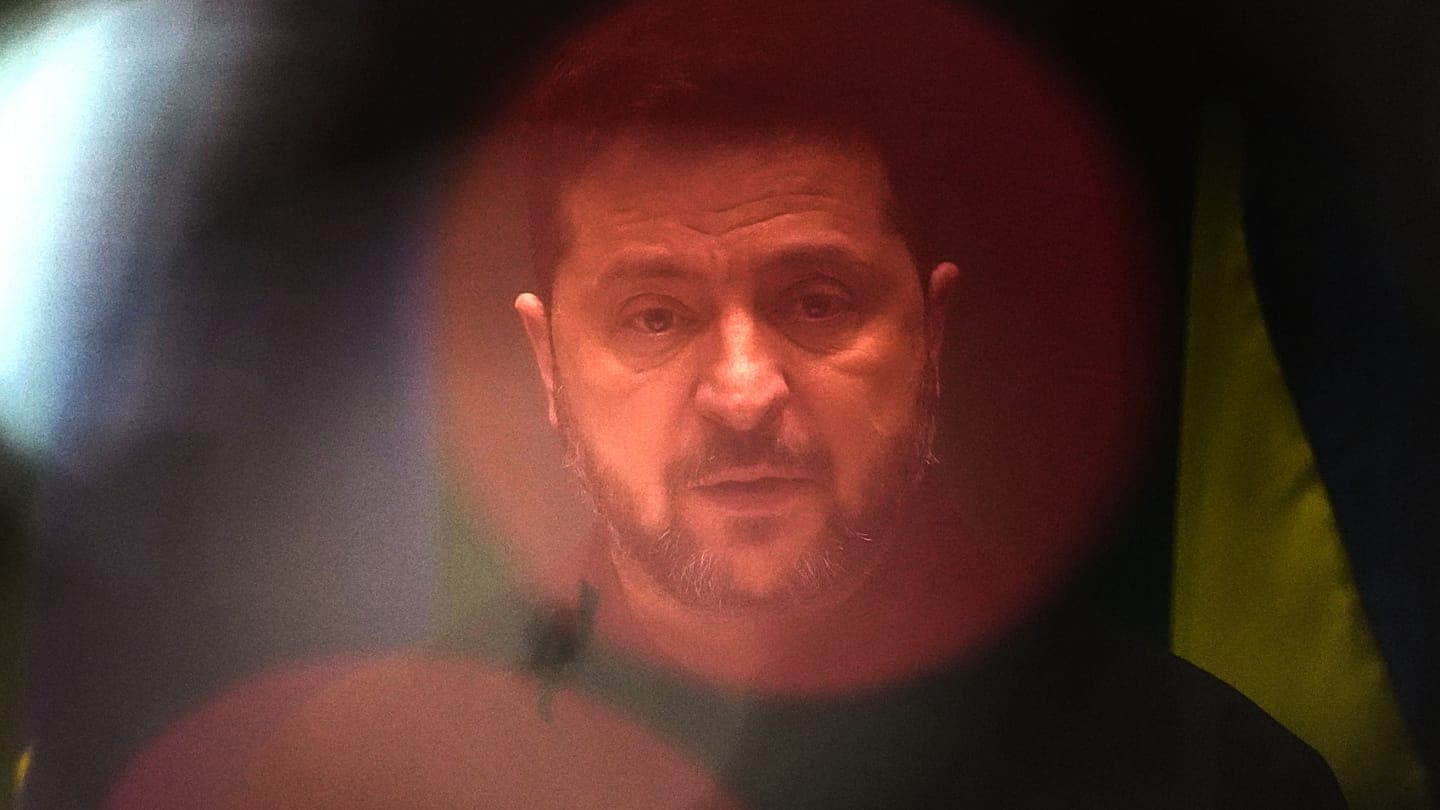
After the talks, Kushner said he would ask Vladimir Putin for a 'blessing' to expand the format to include Europeans, which would effectively make it multilateral. 'If Europe can name one person who will speak on its behalf, that would be a bigger achievement than getting the Russians to agree to their inclusion in the talks,' he said at a press conference. The search for an EU representative with a clear mandate looks almost inevitable: among those advocating it are Giorgia Meloni and Zelensky himself, who called on European governments to reach agreement on the issue by the end of November. The head of the Russian delegation, Vladimir Medinsky, for his part, continued to question the European security architecture, saying that the conflict in Ukraine had shown that the system created after Yalta and Potsdam 'functions very poorly'.
Dublin hosts the European Political Community summit
The next item on the diplomatic agenda is Dublin, which is hosting the ninth summit of the European Political Community with the leaders of more than 45 countries taking part. The main themes announced are the war in Ukraine and Russia's hybrid campaigns in Europe. Zelensky will hold a series of bilateral meetings and take part in the 'Friends of Ukraine' event chaired by Irish Taoiseach Micheál Martin and head of the UK government Andy Burnham. The agenda also includes competitiveness, energy security and migration. The Irish police have been placed on heightened alert after hundreds of schools in Ireland, the UK and Italy received false bomb threats the day before. A joint statement by Italy, Denmark and the UK is also expected.
The European Parliament prepares to demand the return of Ukrainian children
The European Parliament is to adopt a resolution demanding that Moscow immediately and unconditionally return all Ukrainian children forcibly taken to Russia or transferred to occupied territories, stressing that their fate must not become a bargaining chip in negotiations. The EU's top diplomat, Kaja Kallas, speaking before the deputies, said that more than 20,500 children have been illegally deported and described the deportations as a state-organised campaign to erase Ukrainian identity: 'all the evidence points to a crime against humanity'.
What else is on the agenda
In parallel, EU ambassadors discussed a new version of the joint statement for the EU–UK summit on 20 November. According to the draft conclusions available, the most contentious wording has been softened: the obligation to suspend the deportation of foreign offenders has been removed in favour of 'close coordination', as has the direct indication that the UK would pay into the EU's funding programme for low-income regions in exchange for access to the European electricity market — the financial contribution remains subject to separate negotiations. On youth mobility, the sides must, within six months after the summit, agree equal conditions on tuition fees; any mention of UK participation in Erasmus+ after 2028 has been excluded. Agreements on sanitary standards (SPS) and the emissions trading system (ETS) are still in square brackets: 1 March 2028 is pencilled in for SPS, while no date yet exists for ETS.