The key facts
- The three-way talks in Abu Dhabi ended after the second day without a breakthrough
- Moscow and Kyiv confirmed preparations for a large-scale prisoner of war exchange
- Witkoff and Kushner will travel to Moscow to Putin on the 12th (Thursday), then to Dublin to Zelensky
Abu Dhabi outcomes: there are 'discoveries', but no breakthrough
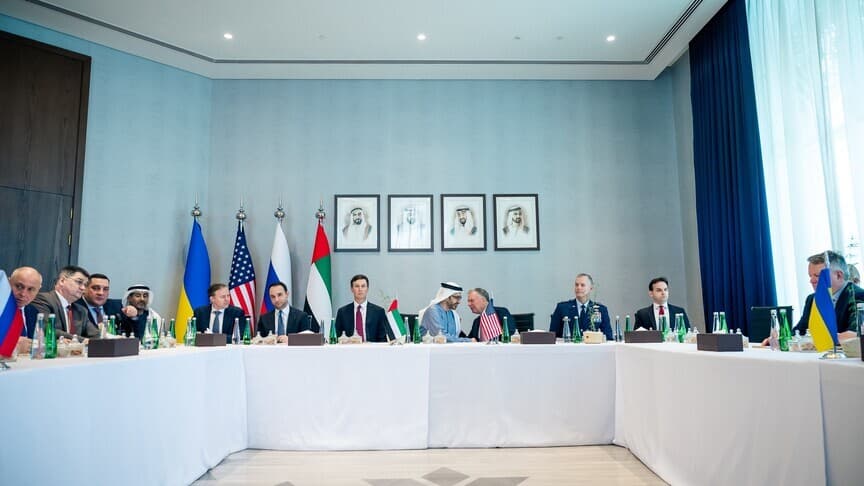
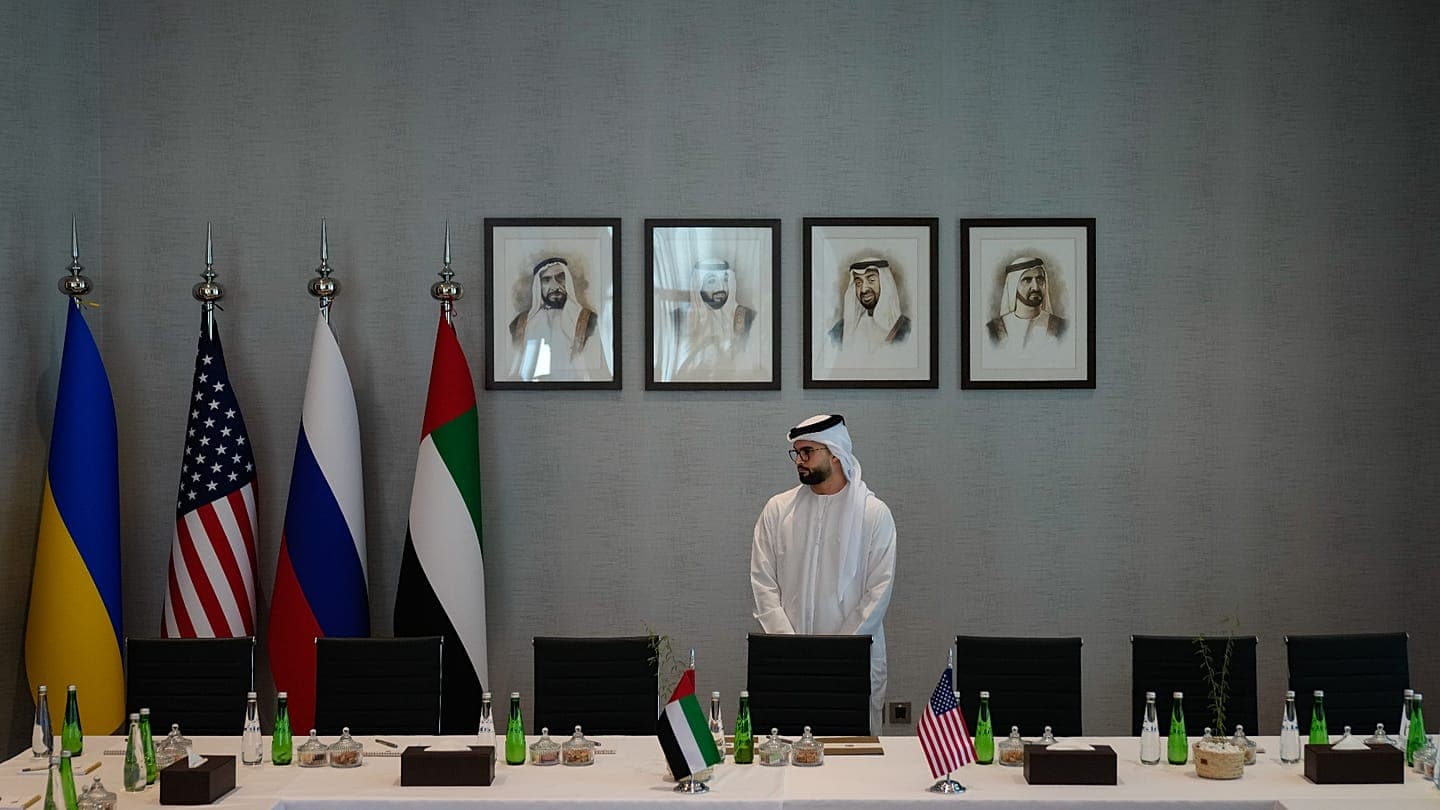
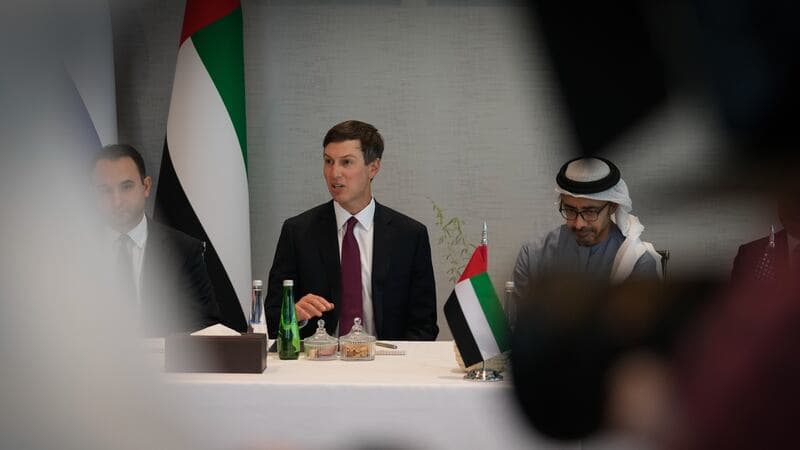
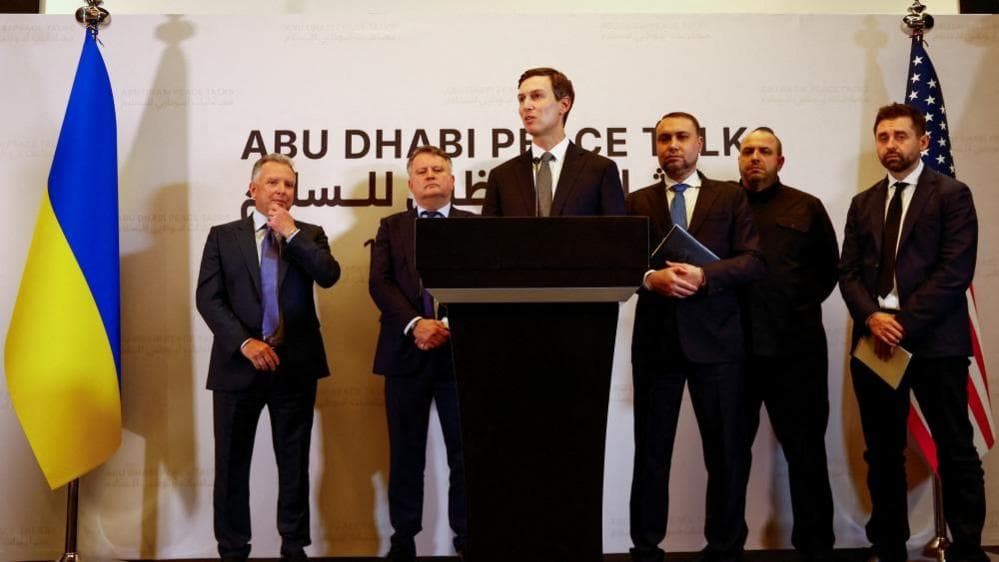
The three-way talks between Russia, Ukraine and the US on ending the war took place in Abu Dhabi over two days and ended without a breakthrough, although the American side said there had been 'some discoveries'. This is the first round since February. David Arakhamia of the Ukrainian negotiating group called it 'one of the most difficult': according to him, the Russian delegation apparently arrived with rigid instructions, and it was extremely hard to soften the discussion. At the same time, he noted 'good momentum' and called for a second round to be organized as soon as possible. This was reported by BBC News.
Prisoner exchange and the next itinerary
Both Moscow and Kyiv confirmed that a large-scale prisoner of war exchange is being prepared and may take place in the near future. After the talks, it was announced that on Thursday the American negotiators Steve Witkoff and Jared Kushner — the son-in-law of President Donald Trump — will travel to Moscow for a meeting with Vladimir Putin, and then to Dublin for talks with Volodymyr Zelensky.
Security architecture and Europe's role
The round was announced as devoted to Europe's 'security architecture'. For Kyiv, this may mean guarantees of allied assistance in the event of a new attack, despite the country's non-membership in NATO; for Moscow, it may mean limiting the alliance's influence in Eastern Europe. Earlier in the week, Kushner said the US hopes to create a 'new framework' for security between Ukraine, Russia and Europe, while the Kremlin negotiator Vladimir Medinsky said the world needs a 'new' and 'fair' security system. Representatives of the UK, NATO and a number of EU countries were present in Abu Dhabi and met with the American and Ukrainian negotiators, but the Kremlin said its delegation had no contacts with them. Kushner said the US is interested in bringing the Europeans on board, and the question of including them in the format will be on the agenda of his meeting with Putin. A German government spokesperson noted on Wednesday that agreements cannot be implemented 'if consensus is not reached among NATO members'.
The main stumbling block — Donetsk and the sequence of steps
Two fundamental disagreements remain. The first is the sequence: Europe and Kyiv want a ceasefire to precede discussions of the future security system, while the Kremlin insists that hostilities will stop only after an agreement is reached. Kushner, however, emphasized that any agreement on a peace architecture depends on the end of the war, which is impossible 'as long as there is no agreement on territory and all other bilateral issues'. The second is the fate of the Donetsk region, most of which is occupied by Russia: Moscow demands that Ukraine give up the parts of the region it holds, while Kyiv insists on freezing the line of contact. Kushner acknowledged that this is the most difficult issue, while the head of Zelensky's office and negotiator Kyrylo Budanov refused to clarify whether Russia continues to demand the withdrawal of Ukrainian troops. 'The reality is that there is no trust between the parties right now, and after such a conflict that was to be expected,' Kushner said.
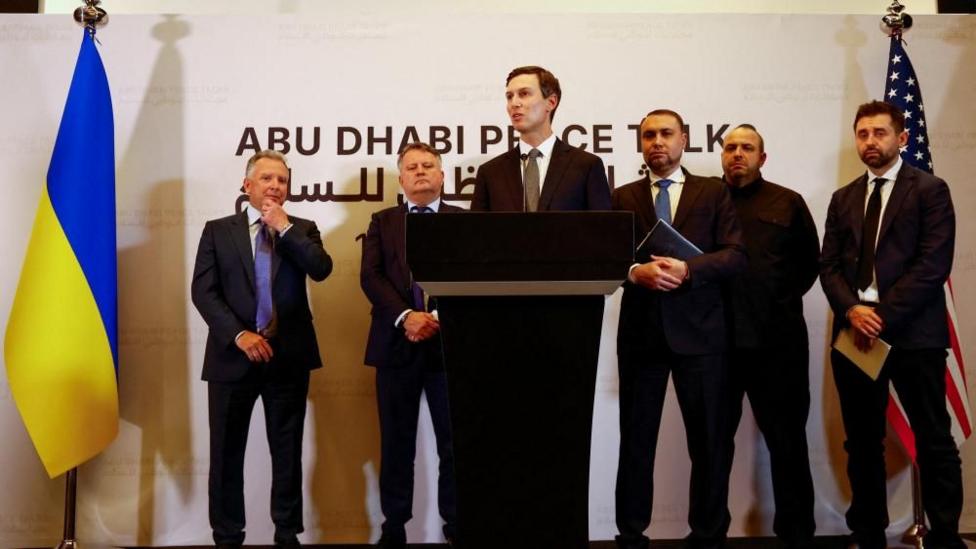 Image source, Reuters
On Thursday Steve Witkoff and Jared Kushner will travel to Moscow and Dublin to hold talks with the Russian and Ukrainian presidents