The key facts
- Jensen Huang is under investigation over ties to an alleged Chinese spy and the possible disclosure of confidential intellectual property
- Nvidia's board of directors is reportedly considering his removal; shares fell by about 8%
- A former White House adviser believes there is no ready replacement for Huang and suggests he may be kept at the company for the sake of stability
Investigation against the Nvidia founder
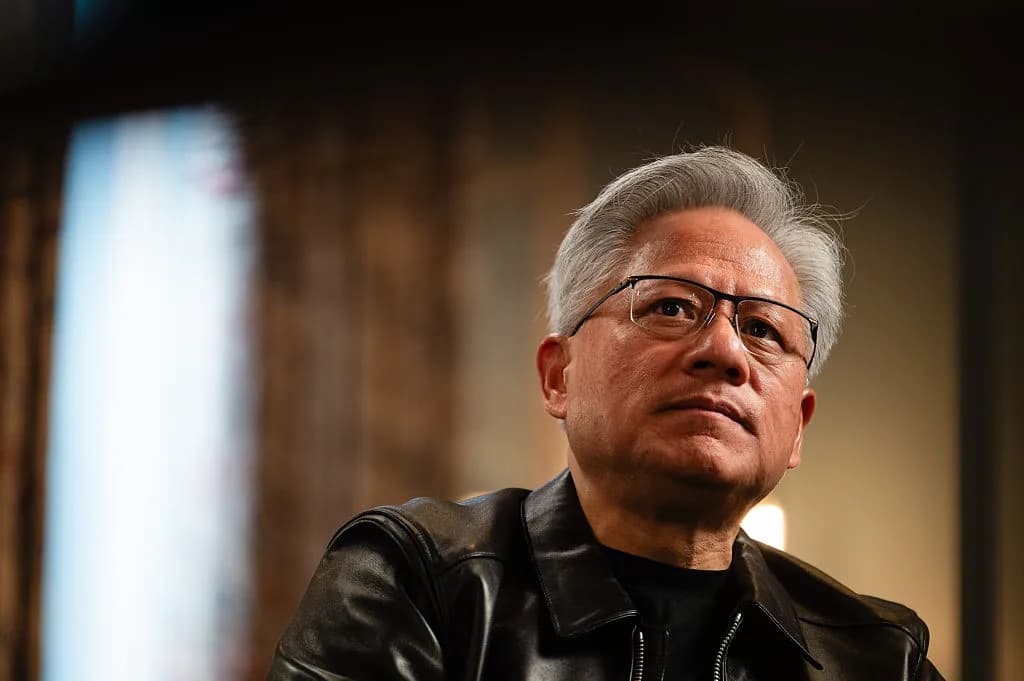
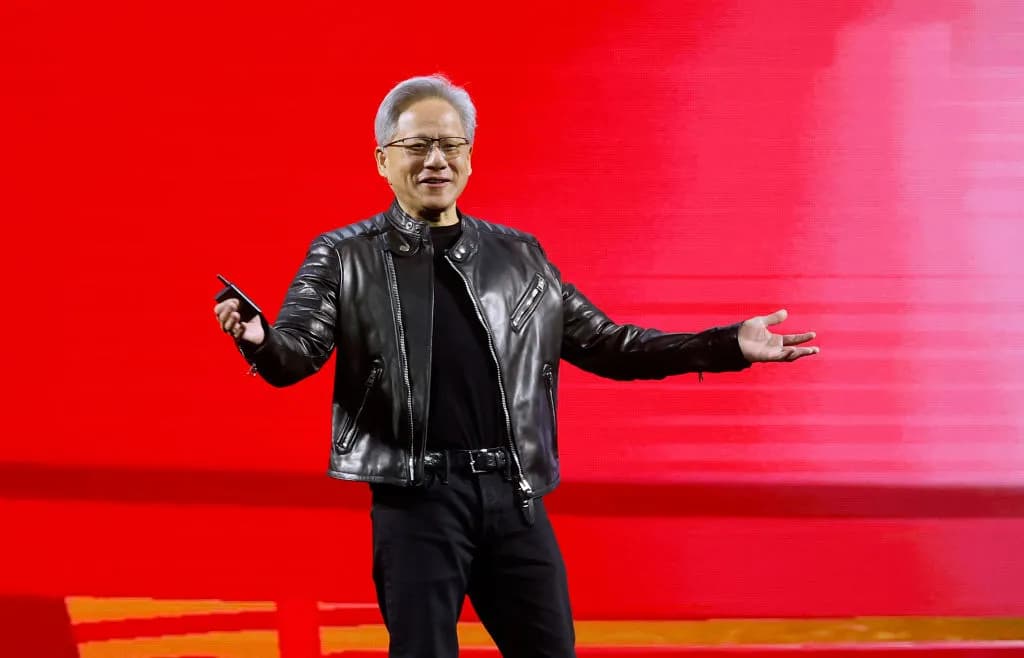
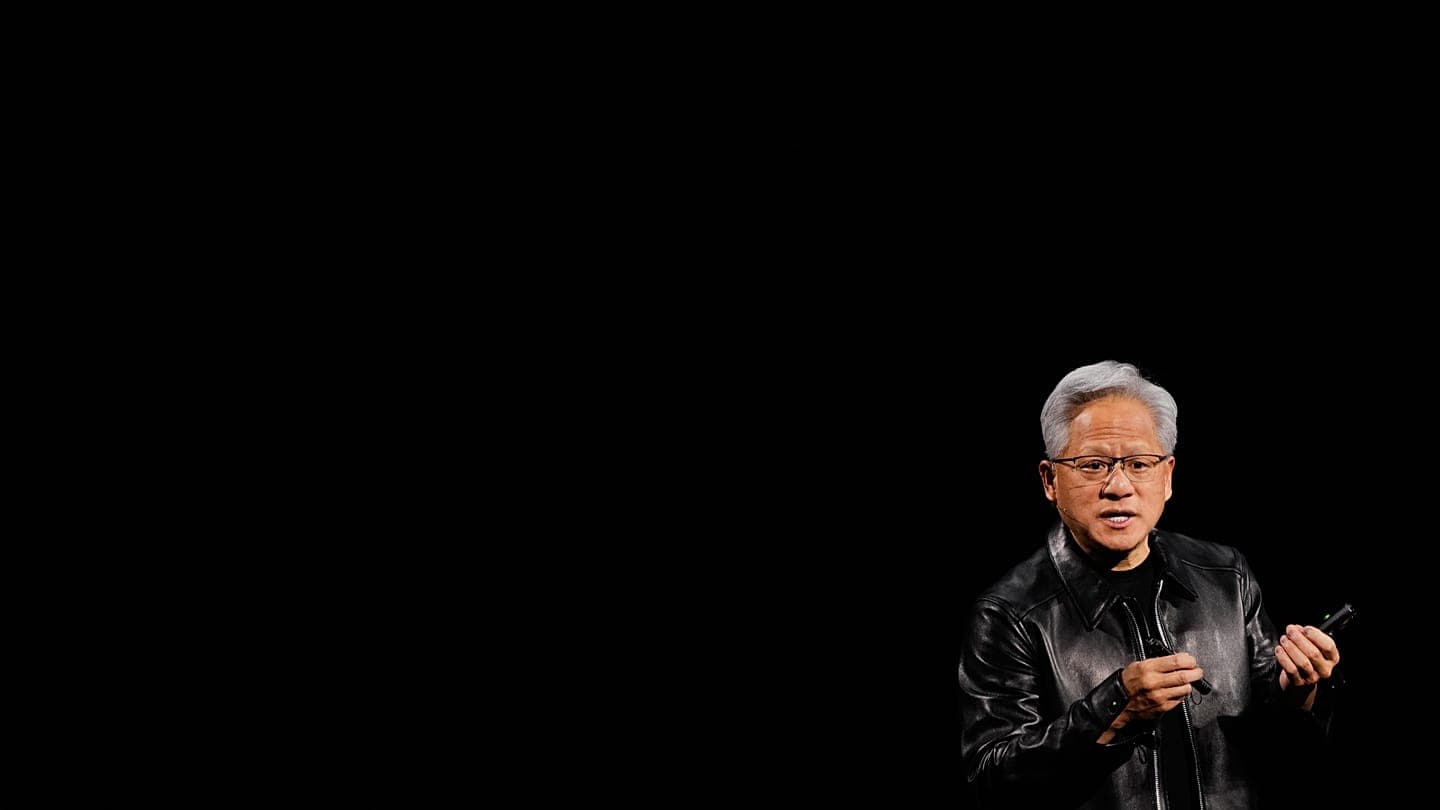
Nvidia founder Jensen Huang has found himself at the center of an investigation over his personal ties to an alleged Chinese spy. It is also being examined whether he disclosed the company's confidential intellectual property. Nvidia designs the most powerful chips in the world and has transformed from a processor maker into an artificial intelligence infrastructure company that also works in robotics and autonomous driving, and its chips have become an arena of technological rivalry between the US and China — Washington has even restricted Beijing's access to them. Huang himself previously lobbied for easing chip export rules for China.
Possible removal and market reaction
According to reports, Nvidia's board of directors is considering removing Huang; on this news the company's shares fell by about 8% during trading. Carme Domínguez, a former senior AI adviser in the Biden administration, believes there is no 'prepared and ready' successor at the company: although two of Huang's children work at Nvidia, their roles and readiness to lead the business are unclear, and other candidates within the company seem unlikely to her. In her view, even if Huang is removed, he would likely be kept in some role — as 'sufficient punishment' for possible violations.
Too big to fall?
Domínguez describes Nvidia as the foundation of the entire AI ecosystem: companies in the industry either owe it money or depend on its chips to train models and grow their businesses, and circular financing makes the system 'very intertwined and largely catastrophic' — the fall of one player could drag down many others. She draws a parallel with 2008, when Lehman Brothers collapsed while other companies were considered 'too big to fail,' and suggests Nvidia may be protecting Huang so that this 'house of cards' structure does not collapse: 'Is Jensen himself too big to fail? In a sense — yes.' At the same time, investor Sheikha Maita bint Maktoum believes financial shocks for Nvidia itself would be 'temporary,' since the company has spent decades building solid infrastructure around the ecosystem. She also points out that the AI bubble was showing signs of deflating even before this story: startups with a product but no revenue and operating at a loss are valued, in her words, at $14 billion, and data centers are facing problems with infrastructure and power grids.
The Chinese angle
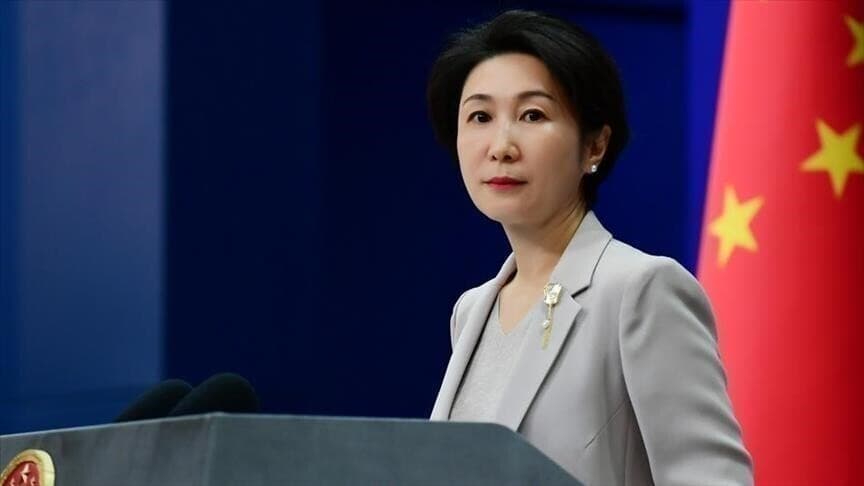
In the West, Huang's story is framed mainly as a matter of market stability, but in China the conversation is different: local companies have been trying for years to reduce their dependence on American chips. Isabel Zhu of China's Xynova, which makes robotic arms, noted at the Web Summit conference in Lisbon that dependence on American suppliers is a 'big bottleneck,' and called Huawei the company that is diligently developing chips and 'proclaims itself the Nvidia of China.' In her personal opinion, the AI race only makes Chinese companies try harder. Domínguez, for her part, believes the investigation will change nothing in the 'AI race': the US administration adopted a plan back in 2025 that is literally called 'Winning the AI Race,' and she describes mutual espionage between rival countries as expected.