The key facts
- Macron held his last November 11 ceremony as head of state; the names of five fallen servicemen were read out
- Le Pen spoke in Hénin-Beaumont with a call for national unity, while Mélenchon chose the pacifist memorial in Gentioux-Pigerolles
- Mélenchon's statement about 'polling' the residents of Donbas drew a sharp response from Ukrainian diplomacy
A day of remembrance turned pre-election
On Wednesday, France marked the end of the fighting of the First World War. The traditional November 11 ceremonies, as every year, brought elected officials, military personnel, veterans and citizens together at war memorials across the country, but this time they inevitably took on a political dimension: several contenders in the presidential election took part, each choosing their own venue and their own message. Euronews reports.
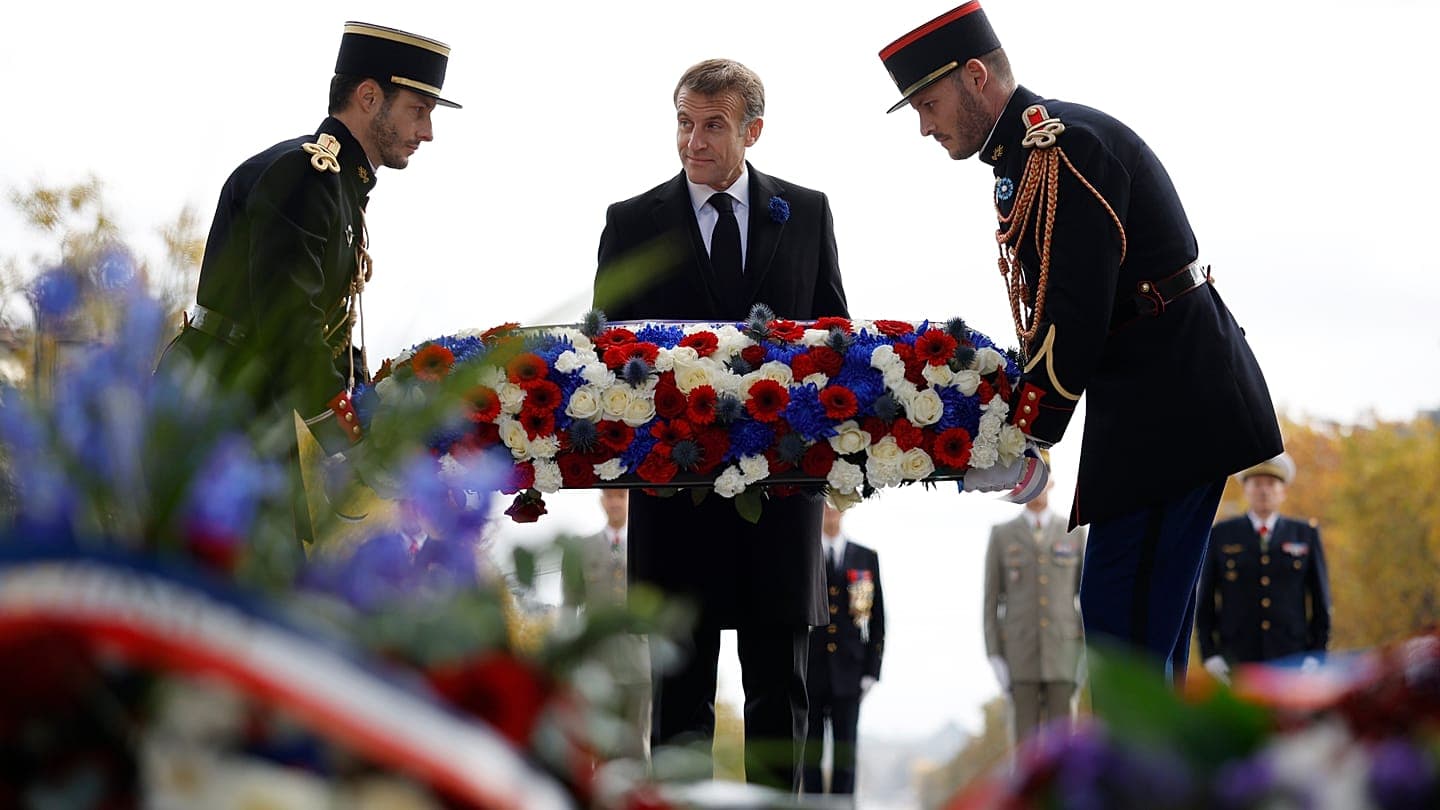
Macron at the Arc de Triomphe
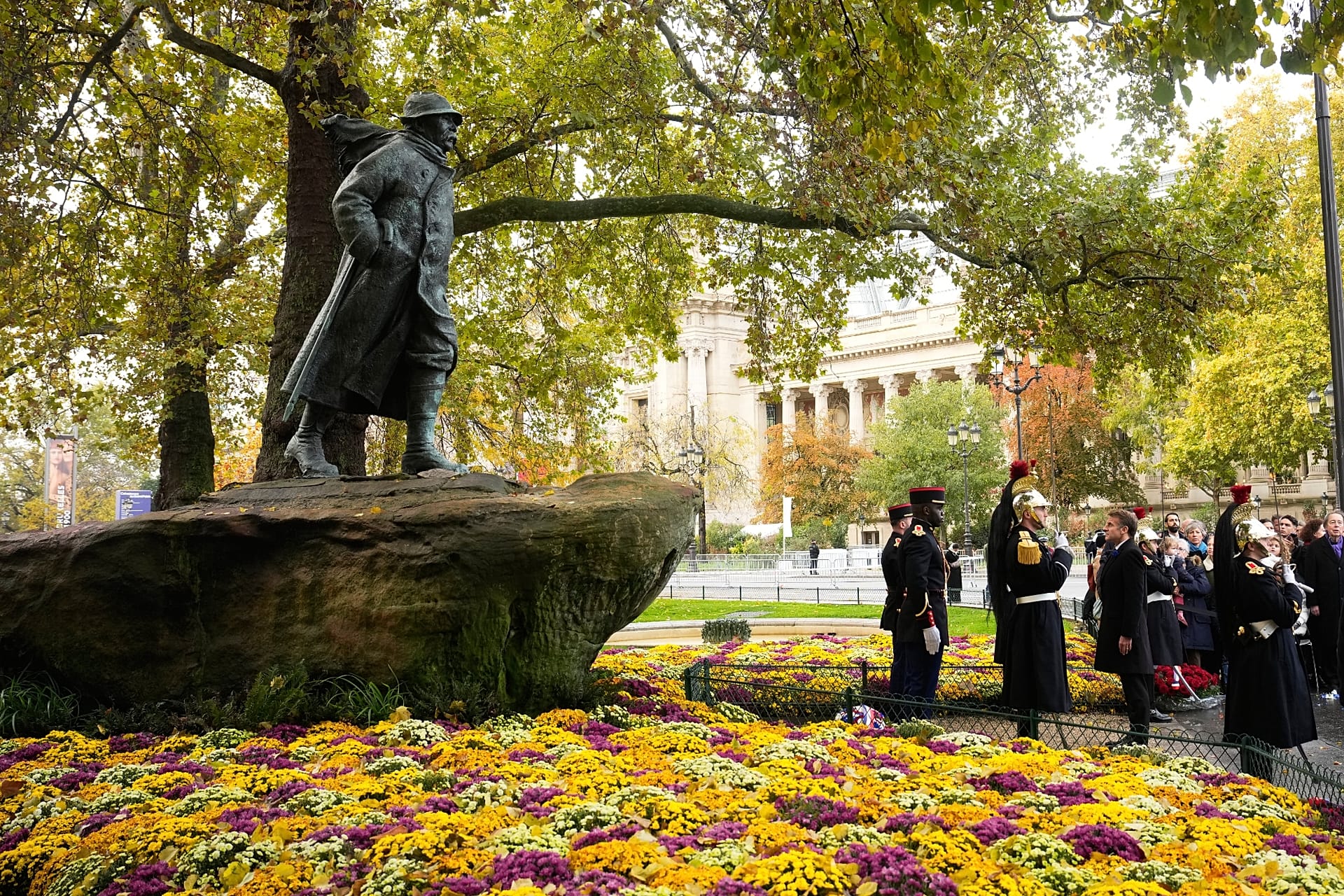
In Paris, Emmanuel Macron led the national ceremony beneath the Arc de Triomphe — his last November 11 as head of state. The president first laid a wreath at the statue of Georges Clemenceau on the Champs-Élysées, then reviewed the parade, rekindled the flame at the Tomb of the Unknown Soldier and declared a minute of silence. The names of five servicemen who died for France since the beginning of the year were read out: adjutant-chef Thibault Bretaud died in the Levant, major Arnaud Frion in Iraq, and three soldiers — adjutant Florian Montorio, sergeant Anicet Girardin and senior corporal Florian Gillet — died in Lebanon. The president delivered no speech, limiting himself to a post on X about remembering the fallen and solidarity with those who bear the scars of history.
Le Pen: unity and remembrance
Marine Le Pen chose her stronghold in the Pas-de-Calais department — Hénin-Beaumont. The National Rally candidate honoured the memory of fallen soldiers as well as the women who stayed on the home front during the war. In her speech she stressed the need to preserve collective memory and a sense of national belonging, promising to uphold the values for which the soldiers fought: sovereignty, freedom and love of the homeland. In her words, in the face of the country's troubles one cannot remain a spectator or a commentator, and national cohesion cannot be built on the loss of bearings or on amnesia.
Mélenchon at the 'Cursed Be War' memorial
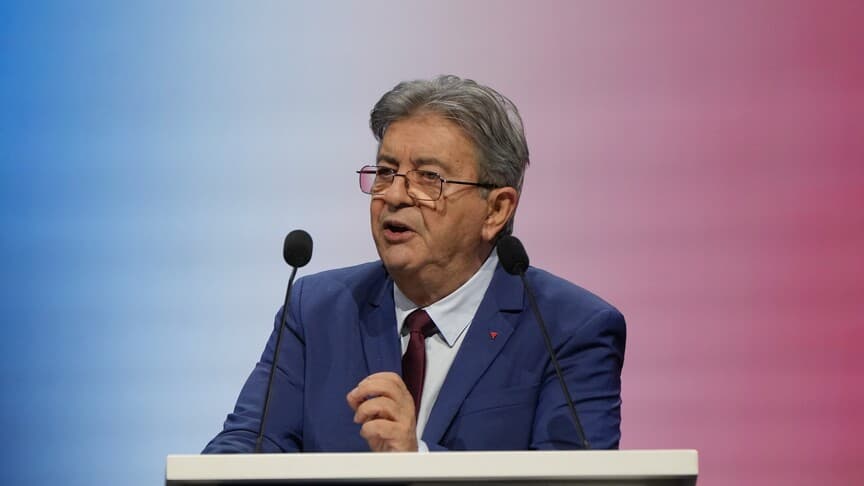
Jean-Luc Mélenchon made a less traditional choice: the leader of La France Insoumise travelled to Gentioux-Pigerolles in the Creuse department, to a village memorial bearing the inscription 'Cursed be war', depicting an orphan raising his fist toward the names of the fallen. The site has long served as a gathering point for pacifists and anti-militarists, and the candidate, who had visited it before, built his speech around remembrance and rejection of war: 'Down with war! We will not wage it, we will not organise it, we will not prepare for it!' He also called for national unity, which he considers inseparable from the unity of the French people, and condemned racism and hatred of others.
Mélenchon's pacifism and the Ukrainian reaction
Mélenchon's pacifist message echoes his recent statements on Ukraine: last Saturday saw a rally at Le Bourget, where he advocated the idea of 'polling' the residents of Donbas, largely occupied by the Russian army, about their future as part of a settlement of the conflict. As Euronews notes, this proposal drew a sharp response from Ukrainian diplomacy: the Foreign Ministry recalled that Ukrainians, including the residents of Donbas, already defined their borders in the 1991 independence referendum. Thus, the three venues of November 11 clearly divided the candidates: the incumbent president at the classical memorial of national remembrance, Le Pen with rhetoric of sovereignty and unity, and Mélenchon with an anti-militarist manifesto that has already sparked an international controversy.