The key facts
- Israel barred Mélenchon and Panot over LFI's 'hardline anti-Israel positions'
- The decision was made by ministers Gideon Sa'ar (foreign affairs and internal security), according to the ministry
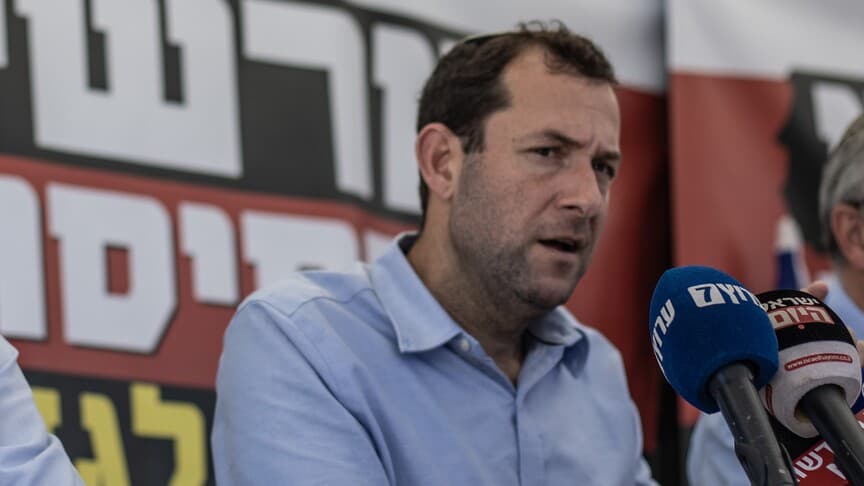
- A day earlier, France denied entry to the head of the Samaria regional council, Yossi Dagan
Entry ban
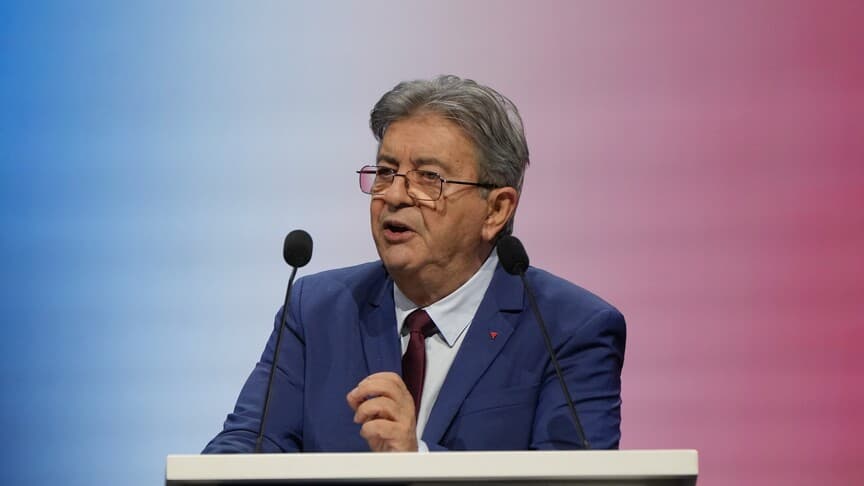
Israel has barred two leaders of the left-wing French party La France Insoumise (LFI) from entering the country — the party's founder Jean-Luc Mélenchon and the head of its parliamentary faction, Mathilde Panot. This was reported by the Israeli outlet Ynet, citing Israel's Foreign Ministry. According to the ministry, the decision was made by the foreign minister and minister of internal security, Gideon Sa'ar.
The ministry's motives
The Foreign Ministry justified the ban by the party's 'hardline anti-Israel positions' and the 'outrageous statements' of both politicians. The ministry accused them of 'slandering Israel' and mentioned Mélenchon's call to send French ships to escort flotillas heading to the Gaza Strip. According to Ynet, on Saturday Mélenchon said that if he won the 2027 presidential election, French ships could, 'if necessary,' escort civilian flotillas, and he also spoke out against the gradual annexation of the occupied West Bank, southern Lebanon and the Golan Heights. Earlier, he promised that, if elected, he would ensure the enforcement of the International Criminal Court's arrest warrant for Israeli Prime Minister Benjamin Netanyahu. In April, Panot called for sanctions against Netanyahu, while other LFI deputies took part in humanitarian flotillas to Gaza or supported them.
A mirror incident the day before
The Israeli authorities' decision came a day after a mirror move by Paris: French authorities denied entry to Yossi Dagan, head of the Samaria regional council in the northern occupied West Bank. According to Israeli media, France explained this by his role in expanding settlements, including the construction of 35 settlements, but Paris did not officially confirm the reasons. Thus, within two days the two countries mutually barred entry to political figures who are oppositional or provocative to the other side, which points to a cooling in bilateral relations, although formally the decisions were not publicly linked.