The key facts
- President of Montenegro Jakov Milatović named four priorities of the green transition, including creating the Natura 2000 network of protected areas and phasing out coal
- Montenegro reaffirmed its target of cutting net greenhouse gas emissions by at least 55% by 2030 and 60% by 2035
- Chairman of the Presidency of Bosnia and Herzegovina Denis Bećirović urged that the interests of future generations not be sacrificed to short-term gain
Speeches at the Conference in Antalya
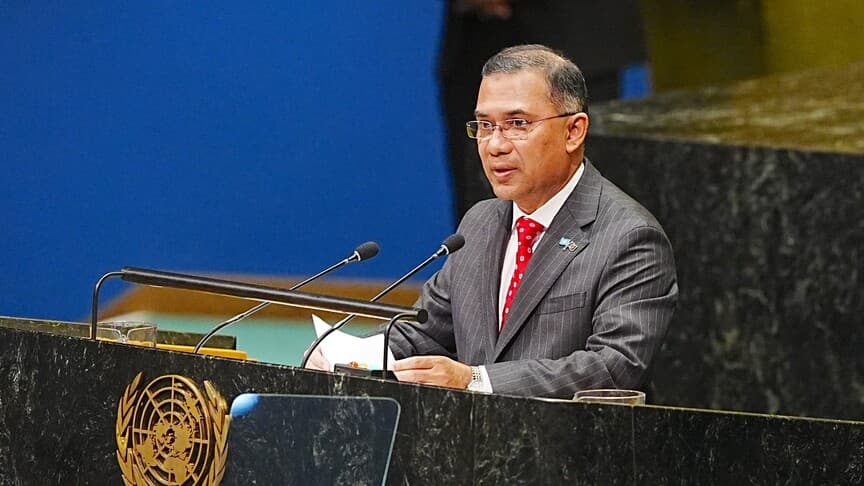
At the UN climate change conference COP31, taking place in Antalya, Turkey, leaders of the Balkan region presented their approaches to climate policy. President of Montenegro Jakov Milatović outlined four key priorities of his country's green transition and reaffirmed its aspiration to become the 28th member of the European Union by 2028. According to him, the country must turn its environmental commitments into concrete actions: 'Today we are required to prove that this promise can shape both our decisions and our development.'
Montenegro's Four Priorities
The first priority is strengthening nature protection through the creation of the European network of protected areas, Natura 2000. The second is a just energy transition: the government intends to reduce the energy sector's dependence on coal, accelerating investment in solar and wind energy while using hydropower sustainably; Milatović described the goal as a transition that is 'economically realistic and socially just.' The third priority is climate resilience: floods, wildfires, droughts and coastal risks were named as growing threats to life, infrastructure and livelihoods. Montenegro has also committed to cutting net greenhouse gas emissions by at least 55% by 2030 and by 60% by 2035. The fourth priority, labelled 'Ecological State 2.0,' includes 20 proposals — from free access to national parks and stronger protection of coastlines and rivers to sustainable tourism, wildfire prevention, polluter accountability and the preventive protection of future Natura 2000 areas.
Bosnia and Herzegovina's Appeal
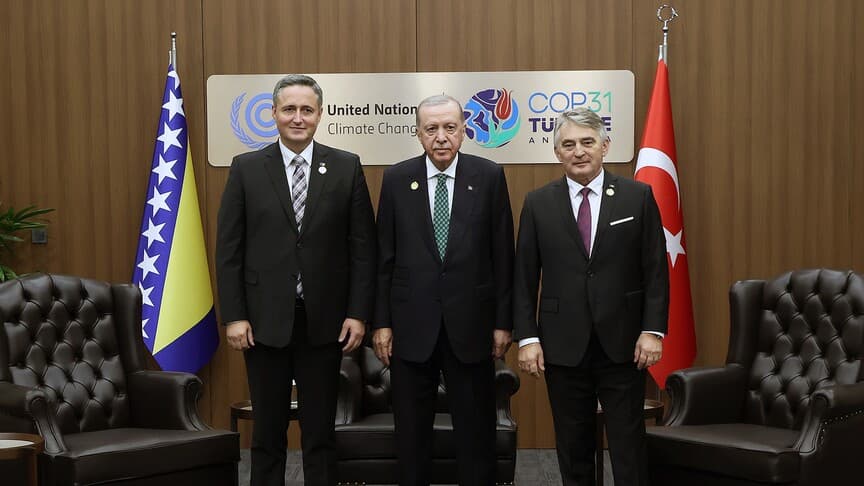
Chairman of the Presidency of Bosnia and Herzegovina Denis Bećirović stressed that climate responsibility should be treated as a matter of intergenerational justice, not merely as a subject of international agreements, financial mechanisms or technological solutions. He warned against prioritising short-term economic interests and populist politics at the expense of future generations. 'We have no moral right to build our own prosperity on the insecurity of future generations,' he said, adding that 'power without responsibility is dangerous.' Bećirović also criticised countries that believe action against the climate crisis can be postponed. According to him, Bosnia and Herzegovina is developing an integrated National Energy and Climate Plan with goals of decarbonising the energy sector by 2030, long-term benchmarks up to 2050, and achieving carbon neutrality through an efficient energy transition.