The key facts
- The commission includes the Federal Police, the energy police, the Interior Ministry intelligence, the Popular Mobilization Forces and the Federal Integrity Commission
- The commission includes the Federal Police, the energy police, Interior Ministry intelligence, the Popular Mobilization Forces and the Federal Integrity Commission
- The intelligence report records four sites with 36,000-liter tanks and three possible routes for transporting fuel toward Baghdad
- Babil Governor Ali Turki al-Jamali rejected the accusations, calling the site an old fuel station for security forces
- Babil Governor Ali Turki al-Jamali rejected the accusations, calling the site an old fuel station for security structures
Investigation based on intelligence report
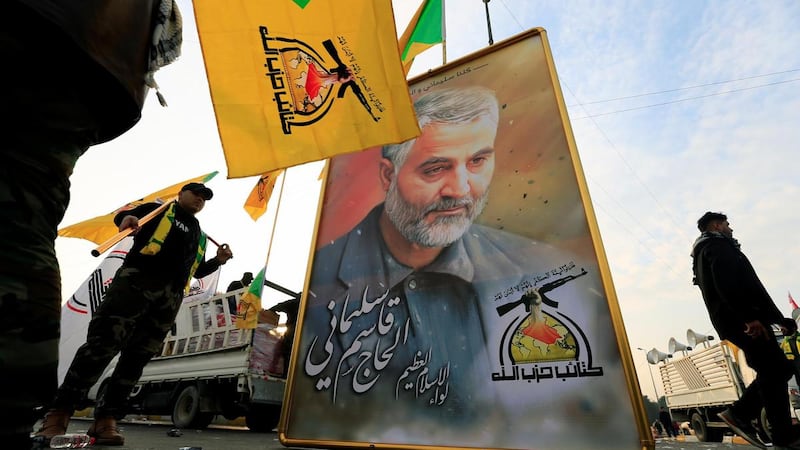
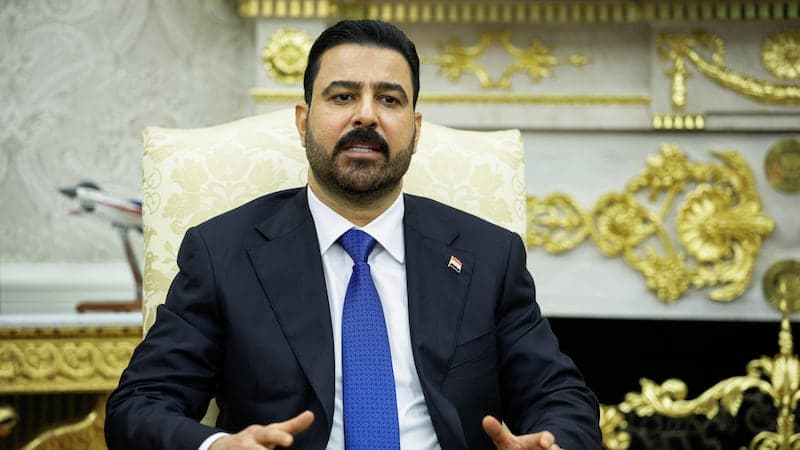
Iraqi Prime Minister Ali al-Saidi on Wednesday ordered an investigation into reports of the theft of petroleum products from pipelines and their smuggling in the Jurf al-Sakhar area — a vast agricultural zone south of Baghdad under the control of the Iran-aligned Kataib Hezbollah group. The move followed a report by the Federal Intelligence and Investigations Agency of the Interior Ministry, as reported by The National and, citing Iraqi media, Anadolu.
What the report documented
According to The National, the agency's report, based on satellite imagery from 2021–2026, documented illegal taps near pipelines and identified four sites where large tanker trucks with a capacity of 36,000 liters each repeatedly appeared. The report says the sites are 'under the control and protection of an armed group,' without naming it, and describes three possible routes for transporting petroleum products toward Baghdad province. Anadolu, citing Shafaq News, specifies that this is a 19-page intelligence assessment mentioning pipeline taps, tanks and warehouses, as well as the movements of fuel trucks tracked from 2021 to 2026; armed groups are named in the assessment.
Commission composition and the governor's denial
Al-Saidi tasked the investigation to a commission that includes representatives of the Federal Police, the energy police, the General Directorate of Security and Discipline, the Federal Intelligence and Investigations Agency, the Popular Mobilization Forces and the Federal Integrity Commission; the commission must promptly report its findings, Anadolu notes, citing an official directive distributed by the Iraqi state news agency. The governor of Babil province, Ali Turki al-Jamali, on Tuesday, after visiting the area with journalists, rejected the accusations: according to him, the facility mentioned in the reports is an old fuel station that supplied vehicles of the government-affiliated Popular Mobilization Forces and federal police, and the tanks located there were not used for smuggling. He called the accusations part of a campaign against the security forces stationed in the area.
Context: the area and the conflict with the armed groups
After the 2003 invasion, Jurf al-Sakhar was one of the strongholds of Sunni militants, including Al-Qaeda in Iraq; in June 2014 the area was seized by ISIS fighters, but a few months later it was retaken by security forces and Popular Mobilization Forces units. Since then the area has remained closed to outsiders, and many former residents — mostly Sunnis who fled during the years of ISIS rule — still cannot return, despite appeals from Sunni politicians, The National writes. The investigation comes against the backdrop of a worsening relationship between the prime minister and the Iran-aligned groups: since taking office in May, he has been pushing to bring armed formations outside official command under state control. The initial plan envisaged the start of transferring weapons to state control by September 30, when the US-led anti-ISIS coalition withdrew from Iraq, but due to resistance from influential groups the deadline was postponed to no earlier than June 30, 2027. Only Asaib Ahl al-Haq, Kataib Imam Ali and Muqtada al-Sadr's Saraya al-Salam announced the transfer of weapons to the state, while Kataib Hezbollah and Harakat Hezbollah al-Nujaba publicly refuse to disarm. In parallel, the Integrity Commission is investigating the smuggling of crude oil from the Kirkuk and Kurdistan Region fields by tanker trucks to Iran and Afghanistan. Pipeline taps and oil theft remain one of Iraq's oldest problems dating back to 2003.