The key facts
- The 2022 'fetal heartbeat' rule will be repealed: women will no longer have to listen to signs of fetal life before an abortion
- Emergency contraception will become available without a prescription
- Hungary plans to ratify the Istanbul Convention, which Orbán's government opposed
Repeal of the 'heartbeat' rule
Hungary announced on Thursday that it is easing its abortion rules and intends to ratify an international treaty on protecting women from violence, Deutsche Welle reports. Under the current law, abortions are permitted up to 12 weeks, and up to 24 weeks in cases of severe fetal developmental defects. Since 2022, before terminating a pregnancy, a woman was required to have a medical worker show her a sign of fetal life — the so-called 'heartbeat'. This rule was widely criticized by doctors and human rights groups as cruel and degrading, and it will now be repealed.
A break with Orbán's policy
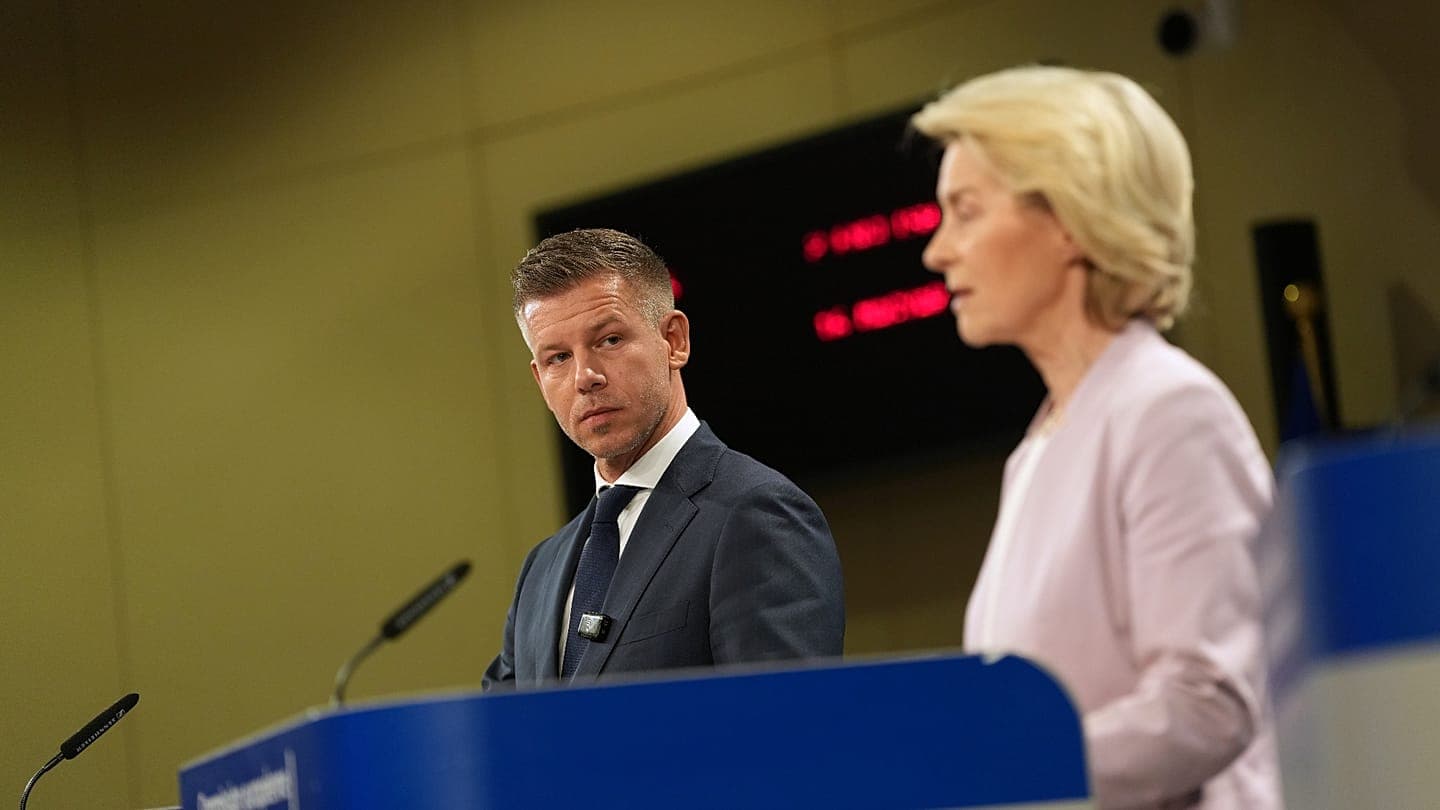
The changes were proposed by the new government of Prime Minister Péter Magyar, and they represent a significant departure from the conservative course of his predecessor Viktor Orbán. Magyar said the 'heartbeat' rule had not reduced the number of abortions and had raised 'serious bioethical questions'. In addition, emergency contraceptives will become available without a prescription. Amendments to the criminal code are also planned to better protect women: the abuse of intimate images will become a criminal offense, and the treatment of domestic violence victims during criminal proceedings will be strengthened.
The Istanbul Convention
Hungary also plans to ratify the Istanbul Convention — a Council of Europe treaty that entered into force in 2014 and requires, among other things, criminalizing rape based on the absence of voluntary consent. Most EU countries ratified it long ago; Bulgaria, the Czech Republic, Lithuania and Slovakia remain among those that have not joined. Orbán's government opposed the treaty, arguing that it promotes 'gender ideology'. 'We are making it clear that sexual contact is only possible with the voluntary consent of the other party,' Magyar said, promising to end an 'era of inaction'.