The key facts
- Anonymous bomb threat emails arrived at approximately 6,300 of Italy's 7,476 state schools — more than 84% of all state schools
- Evacuations took place at hundreds of schools; police, carabinieri and bomb disposal experts checked the buildings — no real threat was found
- Education Minister Giuseppe Valditara said there was no specific threat; Prime Minister Giorgia Meloni suggested the emails aimed to cause panic
Mass mailing of threats and evacuations
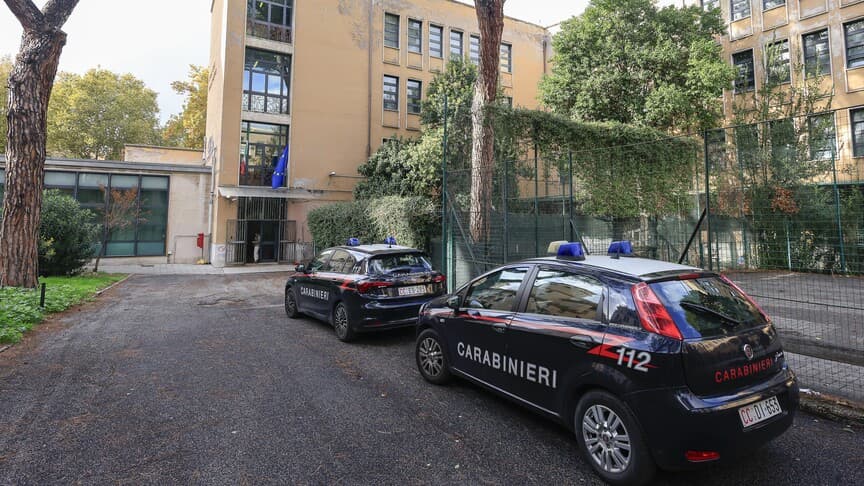
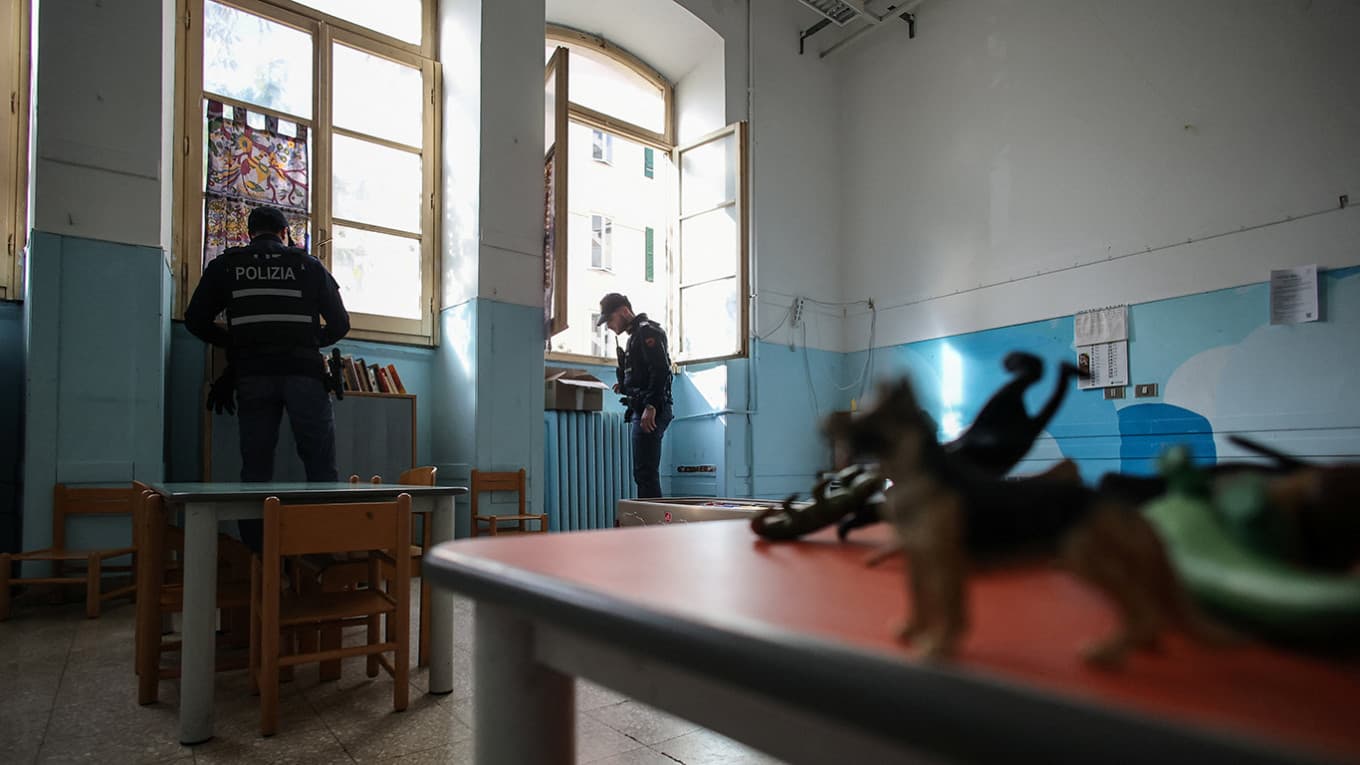
On November 11, anonymous emails claiming bombs had been planted in the buildings arrived at the email addresses of nearly 6,300 state schools in Italy. According to the ANSA news agency, the emails were sent to approximately 6,300 of the country's 7,476 state schools — more than 84% of all state schools; some of the emails ended up in spam folders. School administrations decided to immediately clear the buildings: students and staff were evacuated at hundreds of schools. Police, carabinieri and bomb disposal experts were dispatched to the sites.
No real threat found, investigation launched
During the checks, no real danger was found in any case. Italian Education Minister Giuseppe Valditara said that at this point there is no specific threat. Prime Minister Giorgia Meloni stated that initial checks had revealed no signs of a real threat, and suggested the emails may have been intended to cause panic and alarm. According to her, on November 12 she planned to meet with opposition leaders and exchange information with them. An investigation has been launched to identify those who sent the emails.
Similar messages in other countries
On the same day, November 11, bomb threat messages also arrived at some schools in Ireland, Scotland and Northern Ireland. The Police Service of Northern Ireland carried out an urgent check and subsequently stated that these messages did not constitute a credible threat. No arrests of suspects or identification of the senders of the emails is reported in the published materials.