The key facts
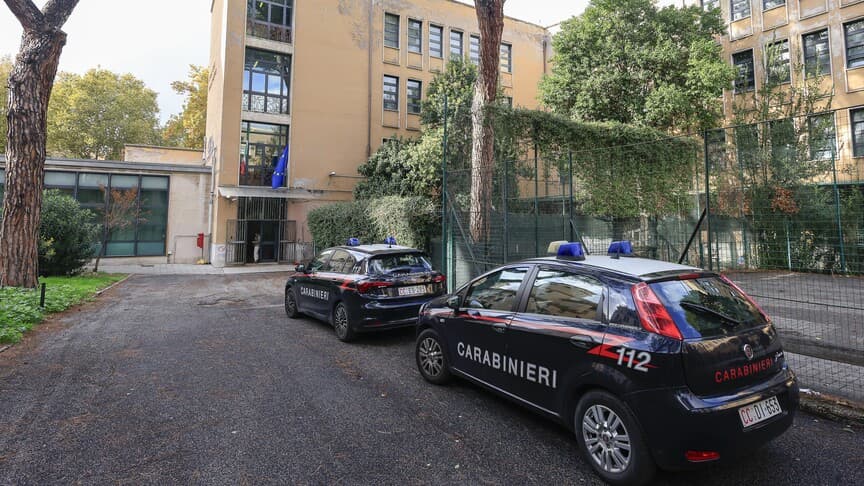
- In Italy, at least 300 educational institutions were evacuated in a single day, and police launched an investigation
- In Scotland, around 470 schools received threats; authorities call the messages fakes
- The email in Italy was signed with the name 'leader of the province of Misogynistan Mikhail Andropov', who previously claimed responsibility for threats to media outlets in Ireland and Bulgaria
Mass threats in four countries
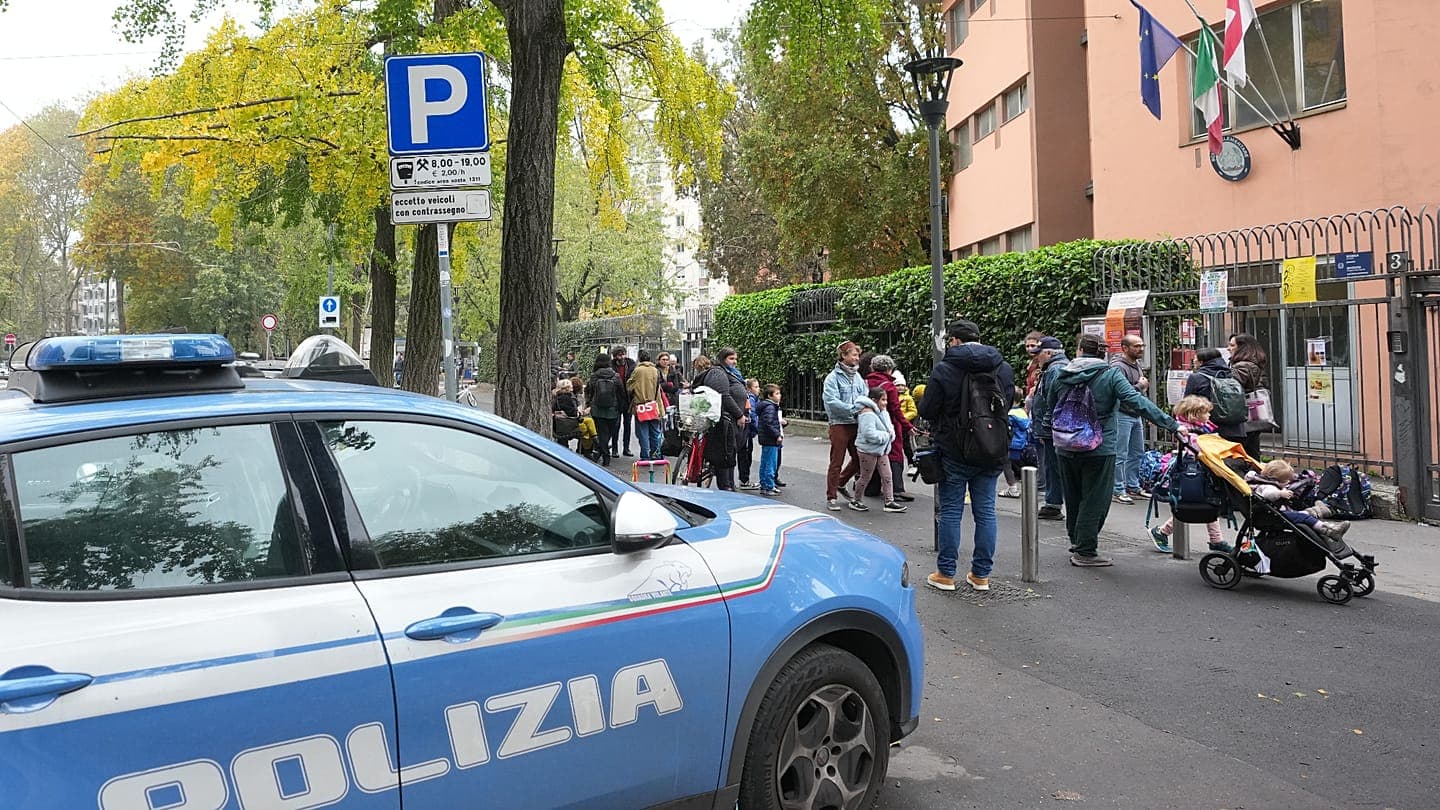
On 11 November, schools and other educational institutions in Italy, Ireland, Northern Ireland and Scotland received mass messages threatening an explosion. The scale of the mailing proved significant: in Italy, at least 300 educational institutions were evacuated in a single day, in Northern Ireland the threats affected more than 300 institutions, and in Scotland around 470 schools.
Reaction of authorities and police
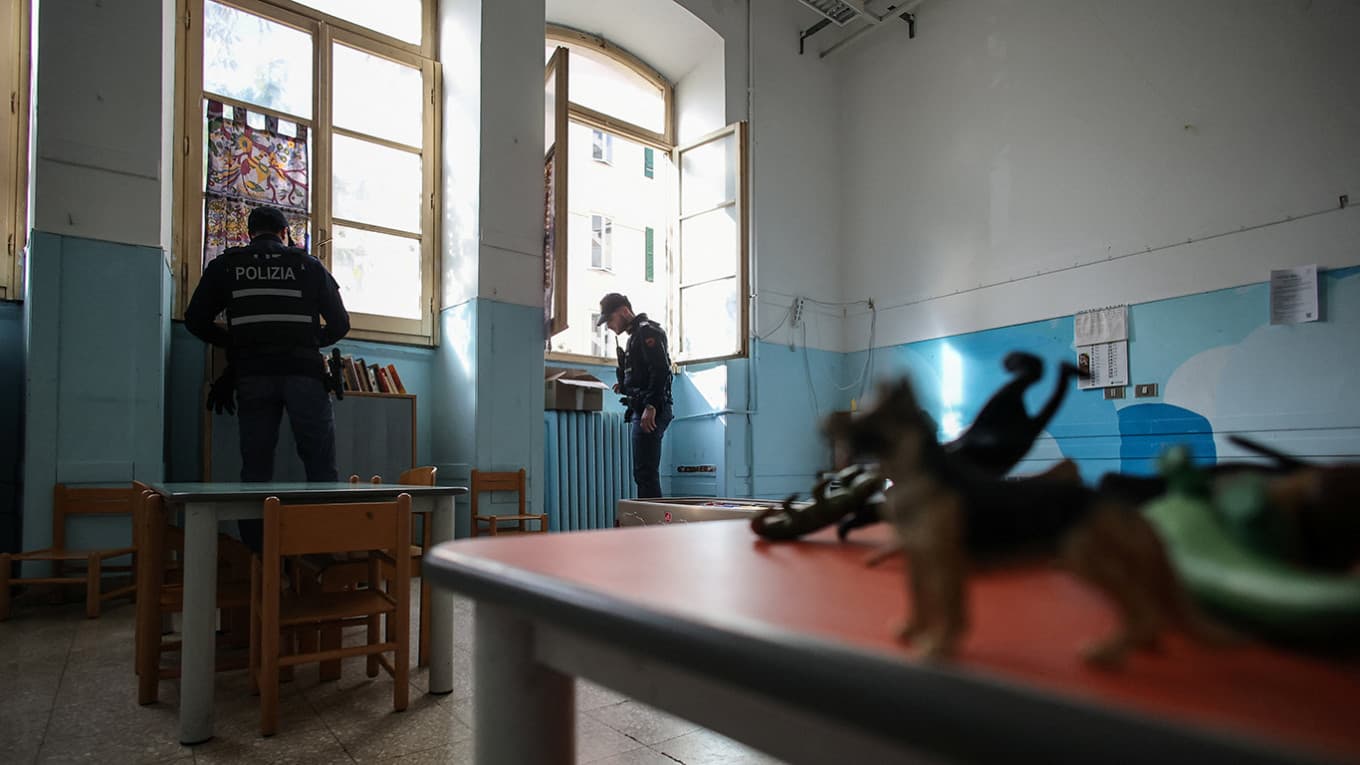
Italy's education minister Giuseppe Valditara told the La7 television channel that, according to preliminary data, the bomb reports turned out to be false, adding that the number of affected schools may be even higher. The police of the republic have launched an investigation. In Ireland, police said they were aware of 'similar messages' sent to schools, assessed the threat as unfounded and stated that evacuation was not necessary. In Northern Ireland, the regional police noted that the messages were sent from abroad and assessed the threat level as low; the education ministry recommended that schools not interrupt classes, although evacuations were nevertheless carried out at some institutions. In Scotland, the government called the messages fakes, but as a precaution pupils were taken out of buildings or sent home. The cybercrime unit is investigating the incidents in the region.
Who signed the letters and the previous wave of threats
According to available data, the email about a bomb planted in Italy was signed with the name 'leader of the province of Misogynistan Mikhail Andropov'. The same presumed author previously claimed responsibility for bomb threats sent last week to the editorial offices of media outlets in Ireland and Bulgaria. This is not the first such incident in Europe: earlier, cyberattacks on supermarkets and blood storage centres were recorded, as well as waves of false bomb reports concerning civil aircraft and television companies.