The key facts
- Clement Delangue called Huang's departure 'a sad day' and vowed to 'fight for open-source AI harder than ever'
- Nvidia announced its acquisition of Hugging Face for $12.9 billion in September; the deal is scheduled for the first half of 2027
- The US Department of Justice in October inquired into the deal's impact on competition in the AI market
Delangue's Reaction to Huang's Departure
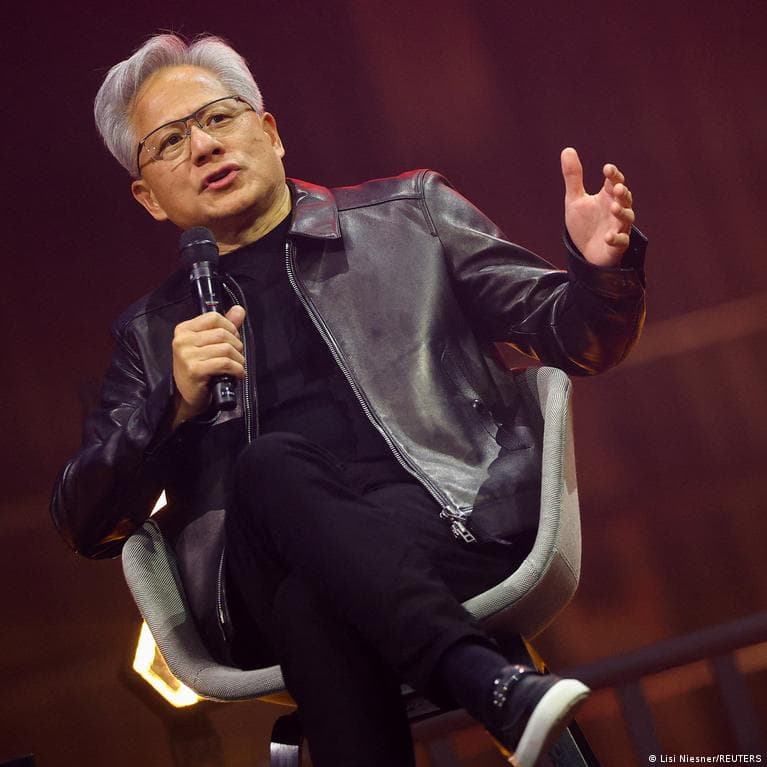
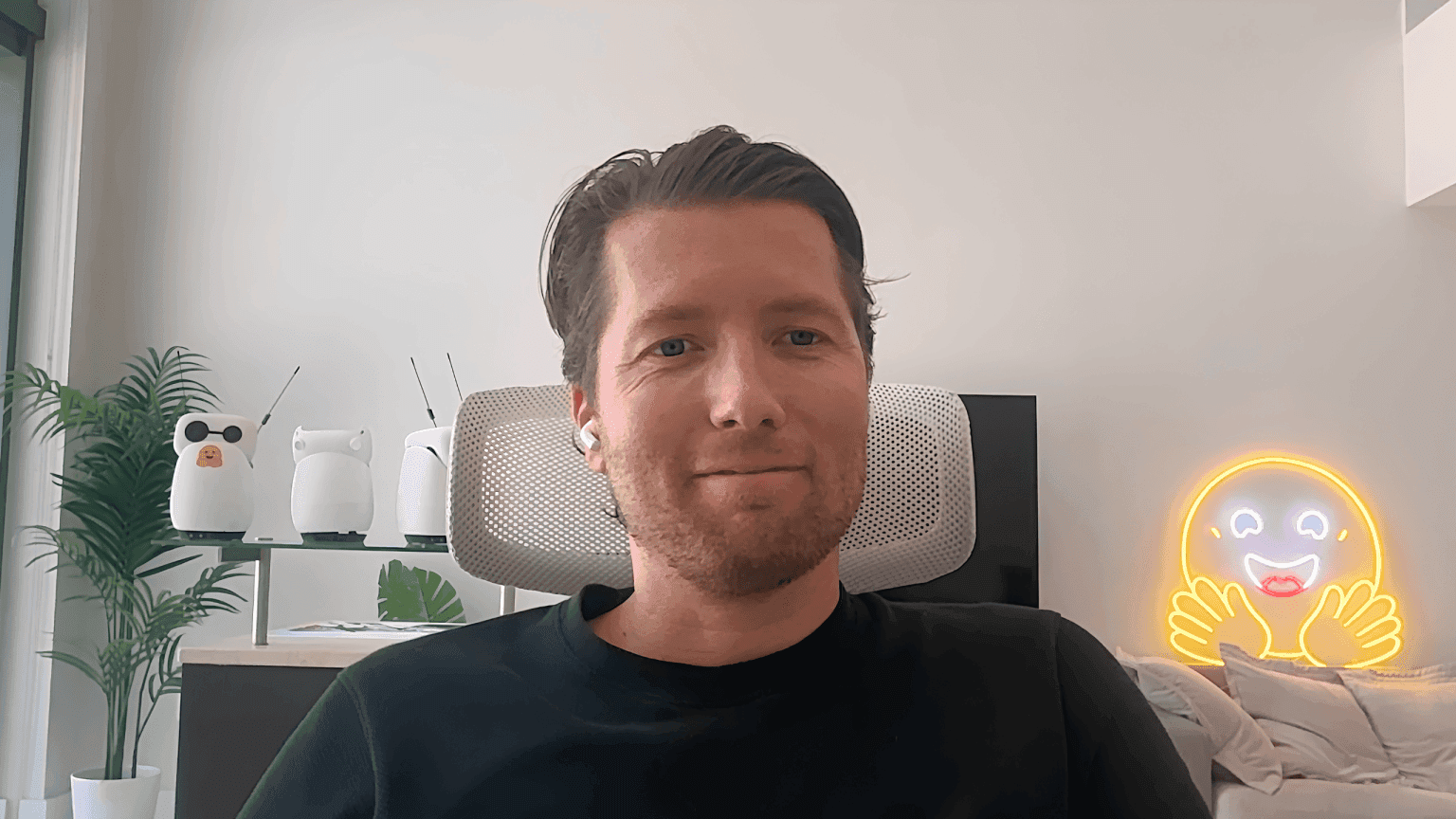
Hugging Face CEO Clement Delangue on Thursday, November 12, reacted to Jensen Huang's departure from the post of Nvidia chief. 'This all sucks, and I wish none of it happened. This is a truly sad day! But one thing I want to make clear: we will keep fighting for open-source AI, harder than ever. It's too important to slow down now,' Delangue wrote on X. The post is notable in that, judging by it, Huang's departure raises concerns among open-source advocates, and Delangue is trying to reassure them: Huang was known as an active proponent of open-source AI and open models with open weights, so it is unclear how the company will approach this direction without him.
The Nvidia–Hugging Face Deal and Antitrust Questions
Nvidia announced plans to acquire the open-source AI model platform Hugging Face in September for $12.9 billion — the second-largest deal in the company's history after the purchase of chipmaker Groq's assets for $20 billion in December 2025. After the announcement, the US Department of Justice began looking into how the deal would affect competition in the AI market, Reuters reported in October. Nvidia promised to maintain open support for the platform, but the deal will also give the company control over a major distribution channel for AI models. The deal is still expected to close in the first half of 2027; no one responded to requests about its status and about whether Hugging Face had been in contact with Nvidia's interim chief Colette Kress.
Huang as a Supporter of Open Models
Huang's support for open models was not limited to Hugging Face. In July, he published on X a letter on AI policy — his first post on the social network. The letter was signed by 25 companies, including Microsoft, Meta, Hugging Face, IBM and Palantir; it urged the US government not to impose excessive restrictions on open-weight models. According to the letter's text, such models, 'which anyone can download, study, modify and run on their own infrastructure,' are an important part of the AI ecosystem because they make it 'more accessible, adaptable and widely distributed.' Huang also wrote that open models expand access to the AI economy, strengthen competition and give customers more control, 'bolster safety and cybersecurity, accelerate innovation and diffusion, and also provide sovereignty.' In January, during a keynote at CES in Las Vegas, he noted that open-source models 'have truly revolutionized artificial intelligence.'
Nvidia's Other Open AI Moves
Beyond the letter, Nvidia in August announced a $6 billion deal with the startup Poolside to develop an open AI ecosystem in the US, to help the country compete with Chinese companies like DeepSeek and Kimi K3, The Wall Street Journal reported at the time. Last month, the company expanded its Nemotron family of open models with a large 120-billion-parameter model for enterprise agents and two lightweight Bolt models that run on PCs.