The key facts
- Jensen Huang stepped down as Nvidia CEO after acknowledging a relationship with Alisa Huang, a Megaspeed executive and alleged spy; the company is being led on an interim basis by CFO Colette Kress.
- The $13 billion acquisition of Hugging Face and support for the Nemotron family of open models are now in question.
- Huang was the main counterweight in Washington to pressure from Anthropic and OpenAI for tighter restrictions on open models.
The resignation and the interim leader
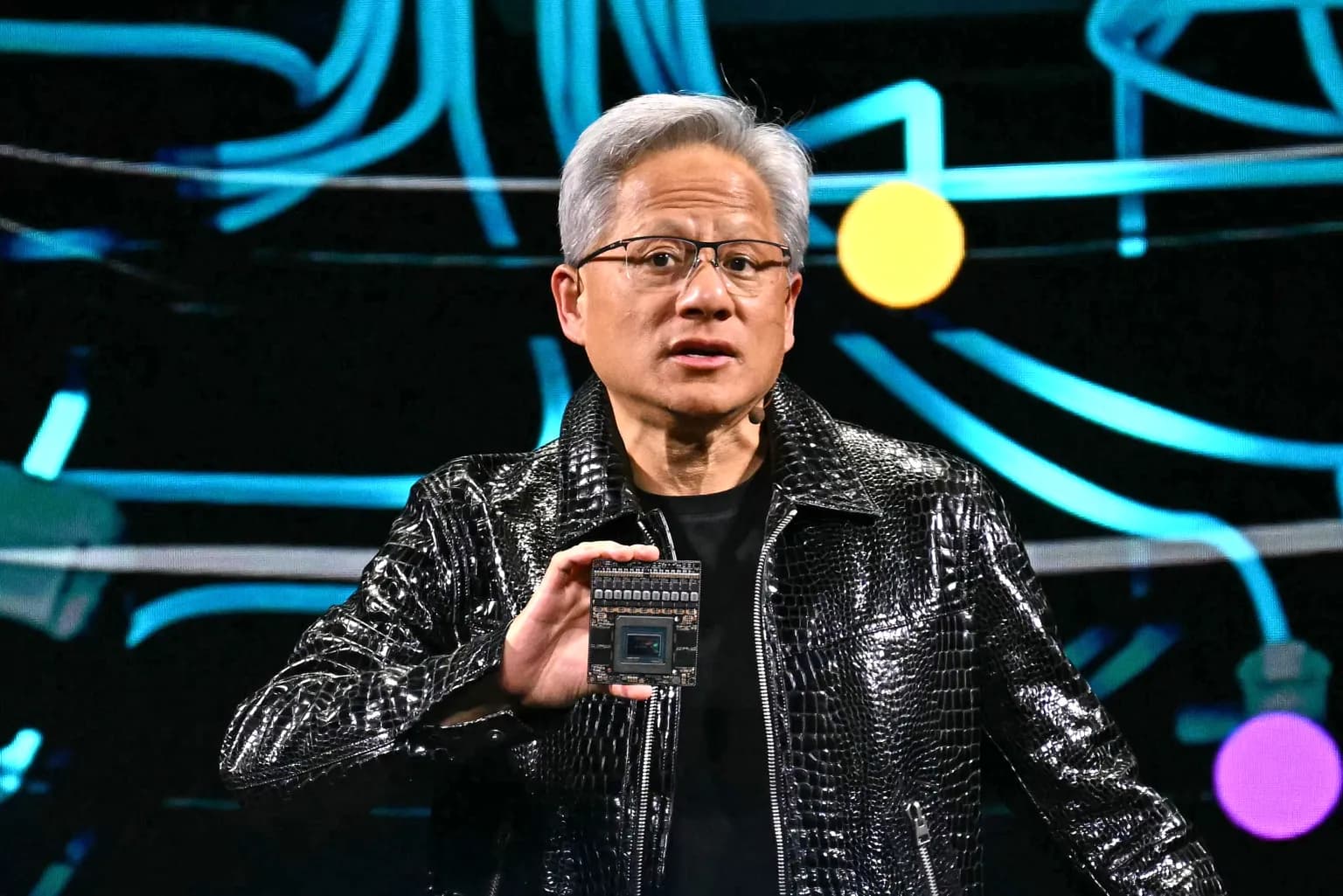
Nvidia CEO Jensen Huang resigned on Thursday after acknowledging a relationship with Alisa Huang — a top executive at Megaspeed and, according to claims, a Chinese spy. The scandal raised concerns about US national security and about the motives behind the company chief's efforts to ease chip export controls for China. The interim CEO is CFO Colette Kress. The resignation was reported by TechCrunch, which also notes that it reached out to Nvidia for comment.
What happens now with open models and deals
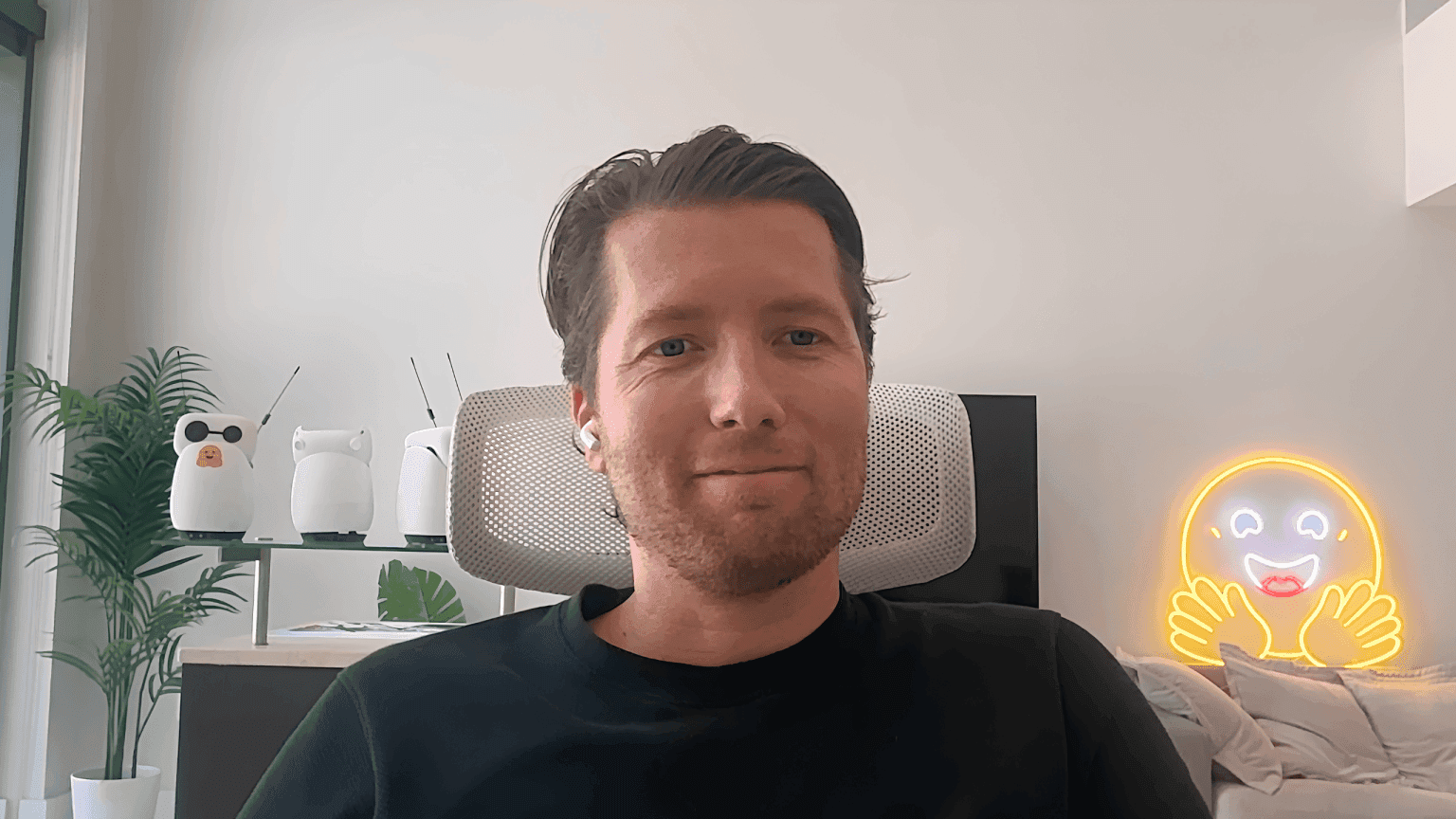
Huang's departure came at a moment when Nvidia had not yet completed the deal to acquire the open platform Hugging Face for $13 billion. Hugging Face CEO Clem Delangue said on X that the company will keep fighting for open source, whatever happens next. Beyond the acquisition, Nvidia agreed to pay $6 billion for a non-exclusive license to the AI coding startup Poolside's technology, and inside the company Huang championed the Nemotron family of open models for agentic systems and reasoning workloads, and invested in the startups Reflection AI and Thinking Machines Lab.
A political counterweight and open questions
Huang's influence extended beyond Nvidia: earlier this year he wrote an open letter, signed by 25 companies including Microsoft, Meta, IBM and Palantir, urging the US government not to overly restrict open models, many of which are built in China. The trigger was a debate over how to respond to claims that Chinese AI labs steal intellectual property from American companies such as Anthropic and OpenAI, which, according to reports, had turned to Washington calling for stronger protections. In TechCrunch's assessment, Huang was the strongest counterweight to the advocates of restrictions, and without him the open source community fears a successor will act more cautiously: how Kress will approach the Hugging Face deal and support for the open ecosystem is unknown, and founders' priorities usually lose weight when leadership changes. At the same time, supporting open source was not merely an idealistic project: as Nvidia's largest customers, including Google and OpenAI, develop their own chips, the company benefits from expanding the developer ecosystem — more players training and running models means more GPUs sold and less dependence on a handful of frontier labs. The scandal around Huang's relationship with Alisa Huang, the publication notes, draws more scrutiny to his efforts to ease export controls and may strengthen the position of those in Washington who favor tighter restrictions on Chinese AI companies.