The key facts
- The 2026 Games brought together more than 3,000 athletes from 109 countries competing in 43 sports
- Kazakhstan took first place in the overall audaryspak standings: four golds, a silver and a bronze
- The disciplines included kokpar, races over 25 and 300 km, wrestling, horseback archery and the game of asyk
From a regional initiative to a global event
When the sixth World Nomad Games were held in Kyrgyzstan in September 2026, the scale of the event surprised many guests and journalists. What began in 2014 as an initiative to revive nomadic sports and traditions has grown into an event of global significance: according to Euronews, the 2026 Games brought together more than 3,000 athletes from 109 countries competing in 43 sports. Among the participants were representatives of countries with no direct connection to nomadic culture.
Equestrian games: kokpar, horse races and horseback wrestling
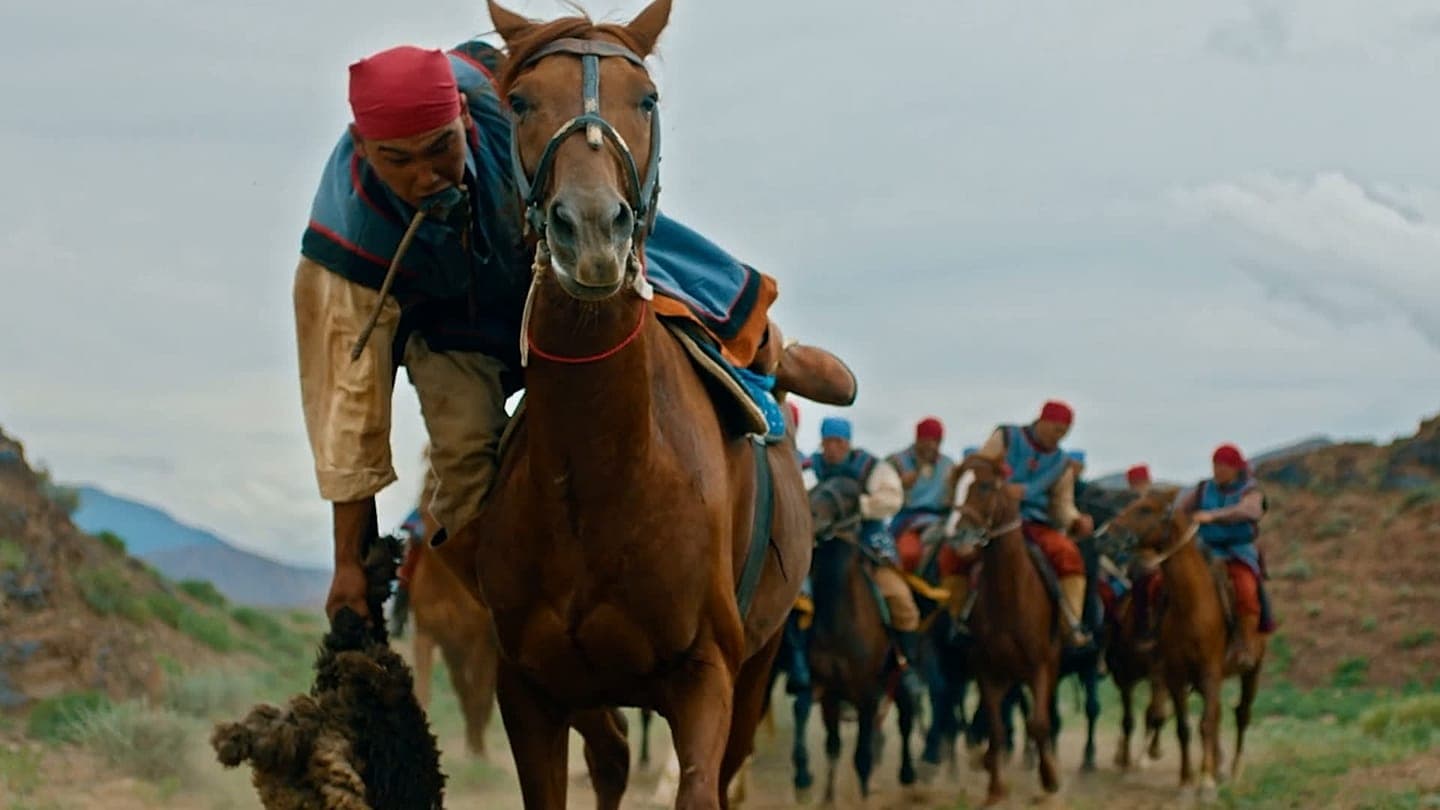
Historically, these skills were shaped by military training, hunting and the harsh conditions of nomadic life, developing strength, endurance and the art of horsemanship. For the Kazakhs, Kyrgyz, Uzbeks, Turkmens, Tajiks and Mongols, they remain an expression of history and cultural continuity. The most famous equestrian game is kokpar: in its modern version, four riders from each team are on the field, and at full gallop they pick up a dummy carcass weighing about 30–33 kilograms and carry it into a scoring circle. As early as the 19th century, the American diplomat Eugene Schuyler described a game in which 'one man holds a kid goat thrown across his saddle while all the others try to snatch it away.' In Kyrgyzstan, a similar game is called kok-boru; thousands of fans from Kazakhstan came to the kokpar final. The horse races at the Games emphasized endurance: there was a 25-kilometer distance and a separate 300-kilometer marathon held over three days. In audaryspak — horseback wrestling — two riders try to throw each other from the saddle. According to Zhanbatyr Bekmusaev, deputy chairman of the Audaryspak Association of Kazakhstan, at the competitions on Lake Issyk-Kul, four of the six Kazakh wrestlers won gold, one won silver and one won bronze, giving Kazakhstan first place in the team standings.
Wrestling, archery and steppe board games
Wrestling remains popular beyond the equestrian theme, with each people having its own rules and rituals. In Mongolian bokh wrestling, athletes compete in the traditional zodog and shuudag garments and perform a ritual dance; the loser is the one who touches the ground with any part of the body above the knee. Kazakh kures is contested standing up with special jackets, while Uzbek kurash forbids ground wrestling and grips below the belt — victory is achieved through throws and sweeps. In horseback archery, as the archer Nurzhan Zhaksylykuly from the Zhetysu region explained, the bowstring is drawn with the thumb using a special ring made of leather, wood or brass — unlike the European three-finger technique, which could fail a rider. There are also less physically demanding games: in Zhetysu, schools teach boys and girls asyk and bes asyk — a game with sheep bones where accuracy and control of the throw win. Askhat Turlybekov, coach of the regional team, noted that people play it 'from five-year-old children to the elderly,' and stressed its benefit for children instead of sitting on their phones. In Mongolia, there is also a contest in which participants break animal vertebrae with their bare hands.
More than sport
Governments and sports organizations in the region continue to invest in traditional sports: specialized federations, schools and championships operate to pass these skills on to the younger generation. The participation of athletes from more than 100 countries has given these disciplines a new role in tourism and in promoting culture far beyond the communities where they originated. For the bearers of these traditions, the meaning is broader than international recognition. 'We are reviving our history and bringing lost heritage back from oblivion,' said Yerlan Ashim, founder of an equestrian club in Karaganda. In his view, the main goal is not simply to popularize sport, but to restore national identity through the history, traditions and culture of horse breeding.