
The key facts
- The 'Silk Road' declaration was signed on November 10 at a COP31 event with the support of the International Organization for Migration
- Uzbekistan was represented by Committee on Ecology Chairman Aziz Abdukhakimov
- Risks of glacier melting, water scarcity, desertification and extreme weather events were discussed
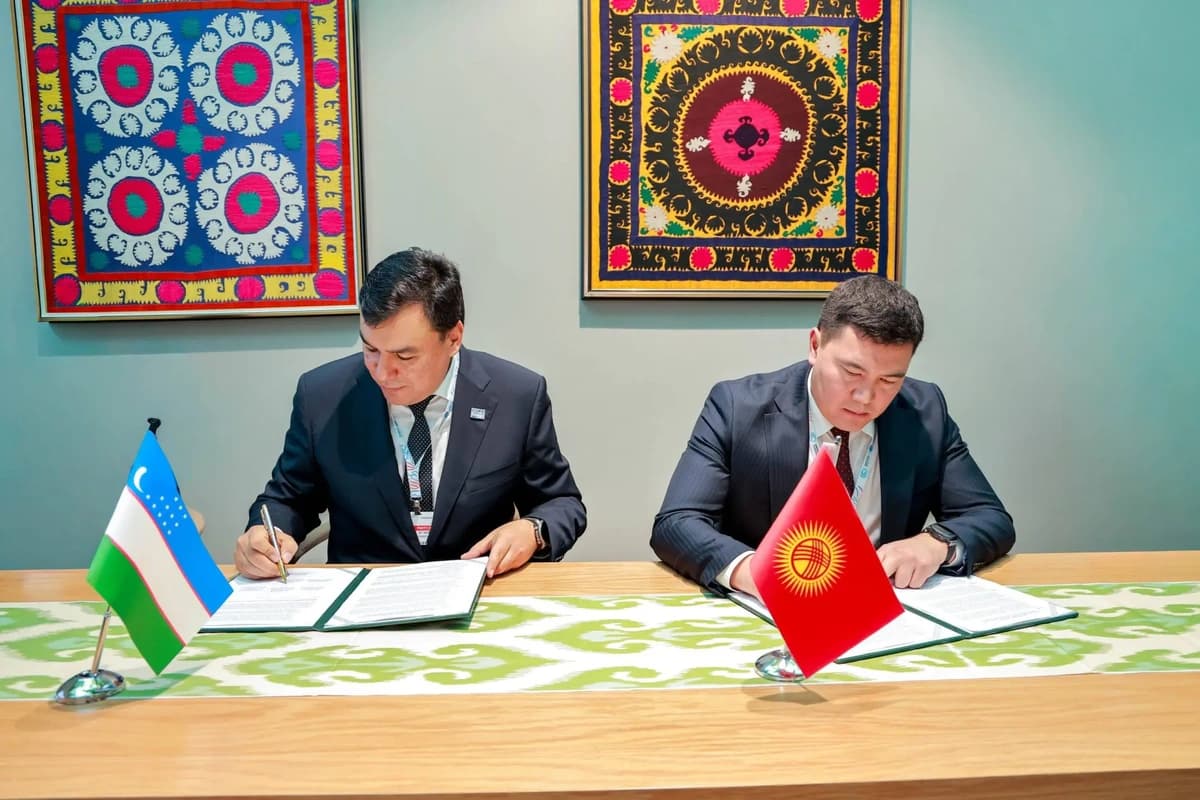
Signing of the declaration at COP31
On November 10, the countries of Central Asia and the South Caucasus signed the 'Silk Road' declaration on human mobility in the context of climate change. This was reported by the press service of the National Committee on Ecology and Climate Change of Uzbekistan, citing which Gazeta writes. The signing took place at the 31st UN Climate Change Conference (COP31) during an event dedicated to climate mobility, organized with the support of the International Organization for Migration.
Goals of the document and participants
According to the committee's statement, the declaration is aimed at strengthening regional dialogue and coordination of actions on climate-induced migration and displacement, increasing the resilience of vulnerable communities and developing joint approaches to responding to the consequences of climate change — taking into account the national priorities and development characteristics of each country. The signing ceremony and discussions were attended by Committee on Ecology Chairman Aziz Abdukhakimov, as well as ministers and high-level representatives of Azerbaijan, Georgia, Kazakhstan, Kyrgyzstan, Tajikistan and Turkmenistan.
Risks discussed
Participants of the event discussed the impact of climate change on forced displacement of populations in the two regions. Attention was focused on risks related to rising temperatures, glacier melting, water scarcity, desertification, land degradation and the increasing frequency of extreme weather events. The statement did not mention any specific commitments by the parties, mechanisms for implementing the declaration, or timelines.