The key facts
- About 800 million dollars at risk, including funds of five pension funds and the Instituto de Previsión Social
- About 1.74 million depositors received 330 million dollars through the Deposit Guarantee Fund; remaining payments are planned to be completed on November 11
- The crisis led to the impeachment of President Santiago Peña; up to 7,000 people lost jobs at companies linked to the bank
New president promised to return the pension funds
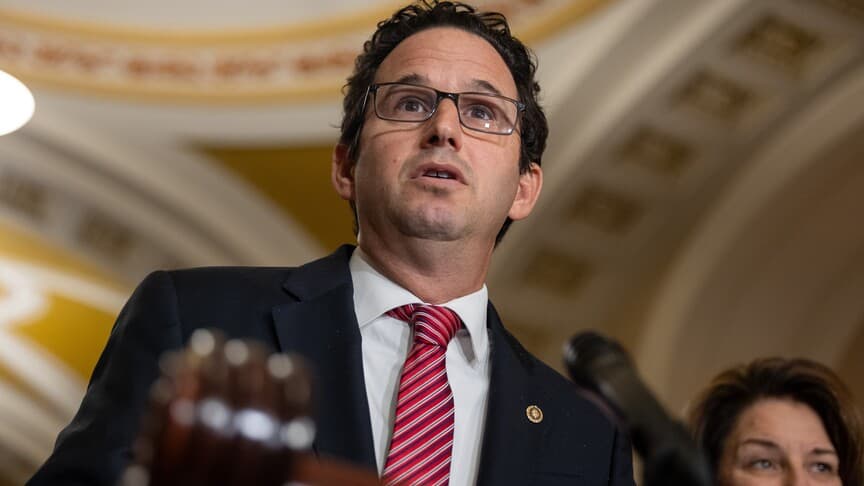
Paraguay's President Pedro Aliana, who took office on Friday after the impeachment of Santiago Peña, announced on Tuesday that returning the pension funds placed in Ueno Bank will be a priority of his government. This is reported by Euronews. The intervention in the bank's operations put at risk about 800 million dollars (roughly 716 million euros) belonging to state institutions, including the funds of five pension funds.
Who was hit hardest by the crisis
Among the affected institutions is the Instituto de Previsión Social (IPS), which runs the country's pension system and part of its healthcare services. The uncertainty surrounding the return of these funds has caused growing concern among workers and pensioners: unlike ordinary depositors, they could not count on standard compensation through the guarantee fund. The crisis also hit the labor market: according to Labor Minister Mónica Recalde, up to 7,000 people lost their jobs at companies linked to the bank in Paraguay, Mexico, Nicaragua, Argentina and Panama.
Compensation to depositors: what has already been paid and what the limits are
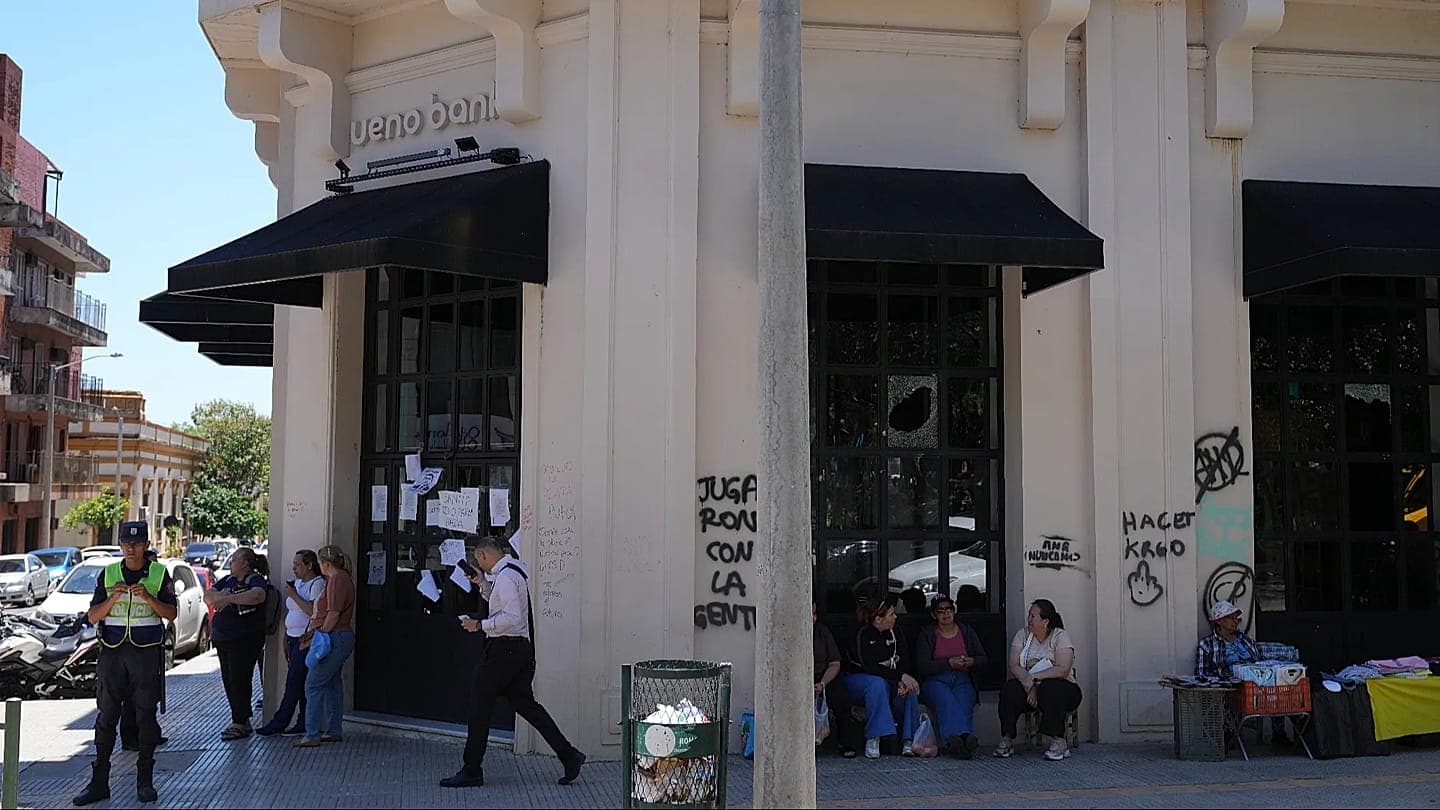
Aliana said that about 1.74 million depositors have already received payments totaling 330 million dollars through the Deposit Guarantee Fund, and the government plans to complete the remaining compensations provided for by the emergency legislation approved by Congress on Wednesday, November 11. For many of those affected, this was the first relief after days of uncertainty:
What is important to understand about the guarantees
The payments do not guarantee a full return of savings to all clients: the guarantee system covers up to about 38,600 dollars (around 34,575 euros) per depositor, and the initial advance payments were capped at about 20,000 dollars. Moreover, the promise to return the pension funds remains a government statement: no specific mechanism or timeline for returning the 800 million dollars is reported in the publications.
The political backdrop of the crisis
The intervention in Ueno Bank sparked mass protests, whose participants demanded the return of deposits and the resignation of then-President Santiago Peña, who was linked to the bank. The pressure ended with his removal through impeachment in the Senate; Vice President Pedro Aliana took over the government and accelerated compensation payments through the guarantee fund.