The key facts
- The US proposed that Ukraine change its administrative boundaries so that Russia could declare the captured territories its own
- A separate proposal concerns Russia's return to European energy markets — Kyiv is against it
- The Ukraine–Russia meeting is taking place on November 10–11 in Abu Dhabi; Russia is represented by Vladimir Medinsky's delegation, Ukraine by Rustem Umerov
What the US is proposing
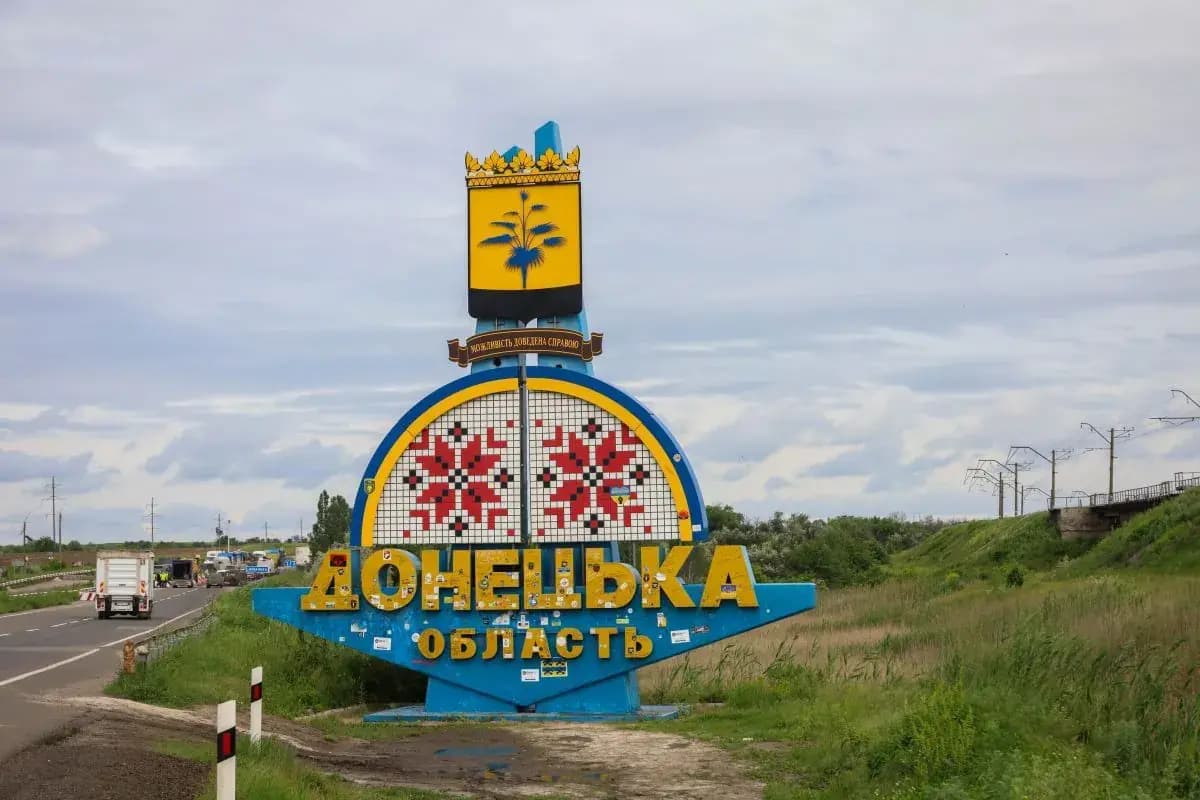
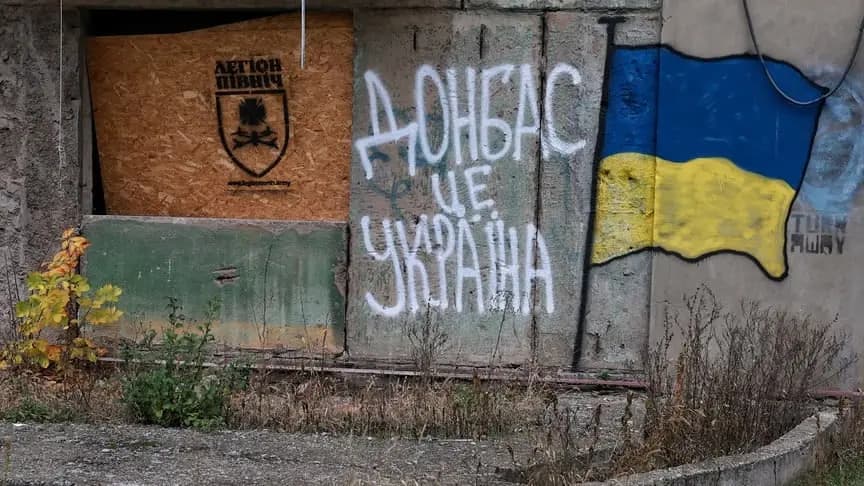
American negotiators have proposed that Ukraine change its administrative boundaries so that Russia could officially declare the captured territories its own. The Economist reports this citing sources, calling such steps 'concessions offered to induce Putin to agree to a deal.' After this proposal, Russia could announce full control over the Luhansk and Donetsk regions. As of November 2026, Russia controls the Luhansk region almost entirely — 99% — and nearly 80% of Donetsk.
Energy and Kyiv's skepticism
Another proposal within the negotiations concerns Russia's return to European energy markets. Official Kyiv is categorically opposed to this. According to sources familiar with the course of the negotiations, Russia is showing 'an unexpectedly high readiness to make concessions' on ending hostilities along the current front line — however, this flexibility emerged only after the US proposed discussing European security issues more broadly. Critics believe this allowed Russia to put forward new, deliberately unfulfillable demands and to continue the war while creating the appearance of participating in negotiations. In Ukraine, they do not believe that Vladimir Putin is ready to sign a peace agreement before the end of the winter military campaign. 'Perhaps this is their Plan B while they are implementing Plan A,' said a senior Ukrainian official.
Who is negotiating in Abu Dhabi
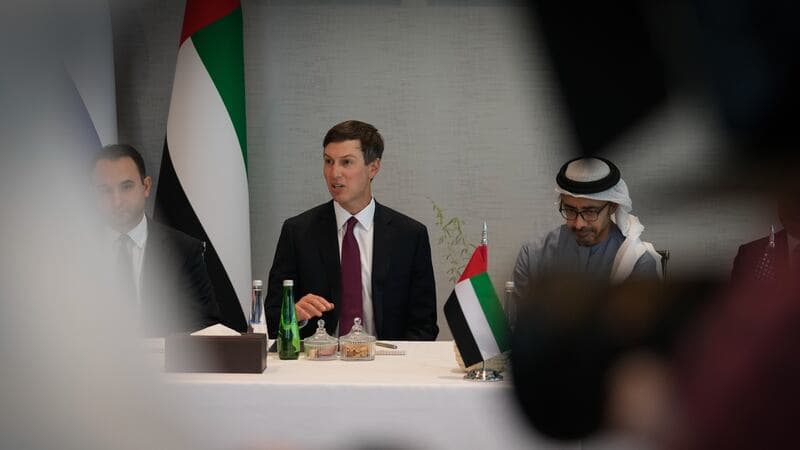
The meeting between Ukraine and Russia is taking place on November 10–11 in the capital of the UAE, Abu Dhabi; the sides are discussing security guarantees. The Russian delegation is led by presidential aide Vladimir Medinsky; it also includes Deputy Foreign Ministers Sergey Ryabkov and Mikhail Galuzin and representatives of two directorates of the General Staff, Igor Kostyukov and Yuri Zhigarlovsky. The Ukrainian side is led by the head of foreign intelligence Rustem Umerov; he was joined by the head of the Office of the President Kyrylo Budanov, his first deputy Serhiy Kyslytsia, the deputy head of the Defense Ministry's Main Intelligence Directorate Vadym Skibitsky, and the leader of the Servant of the People faction David Arakhamia.