The key facts
- The Abu Dhabi talks are in their second day; no breakthrough has been announced
- Zelensky noted a change in the US approach; Rubio called the talks 'very productive'
- Territorial disagreements remain the main obstacle; an exchange of 1,000–1,500 prisoners from each side is under discussion
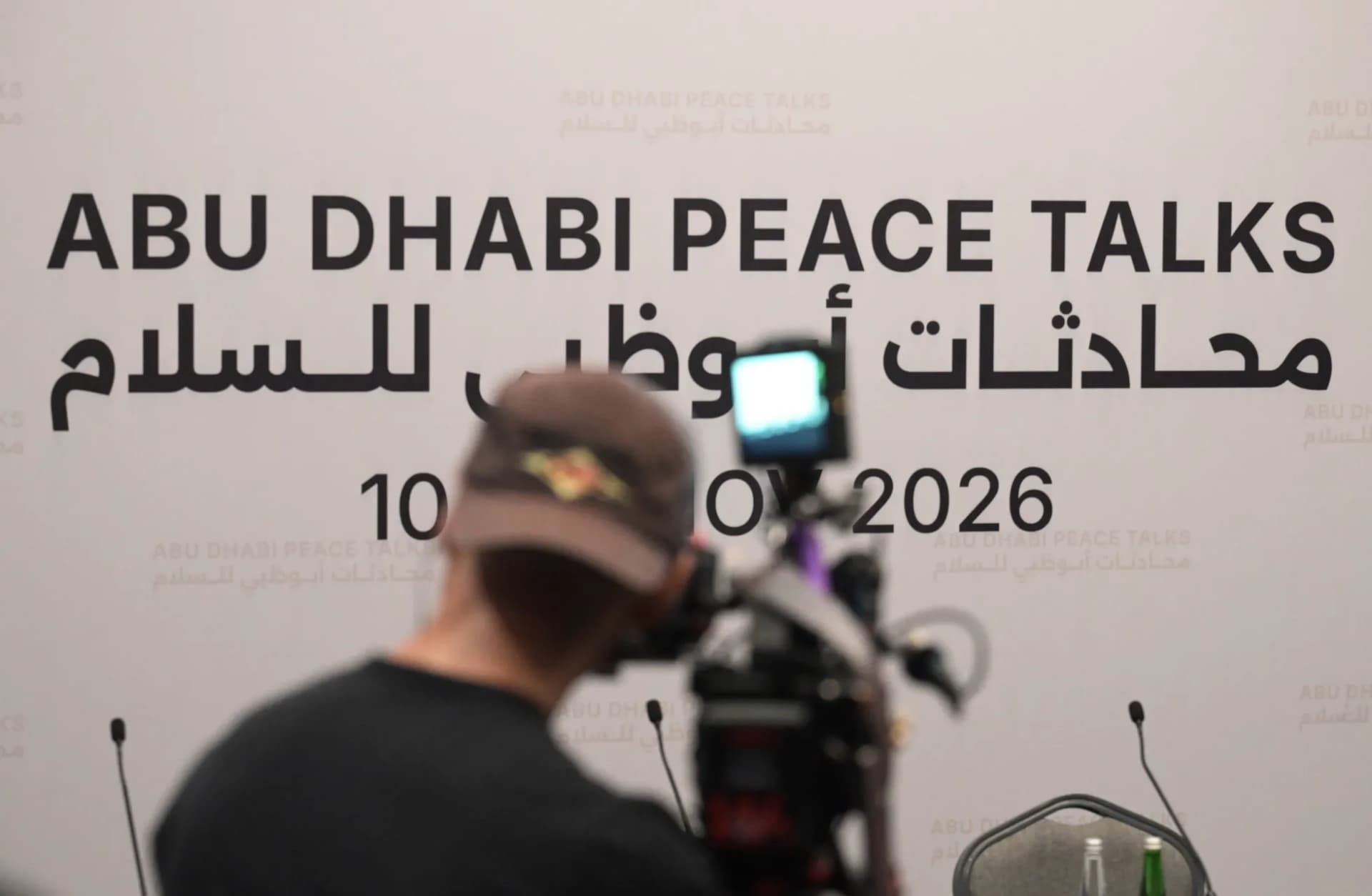
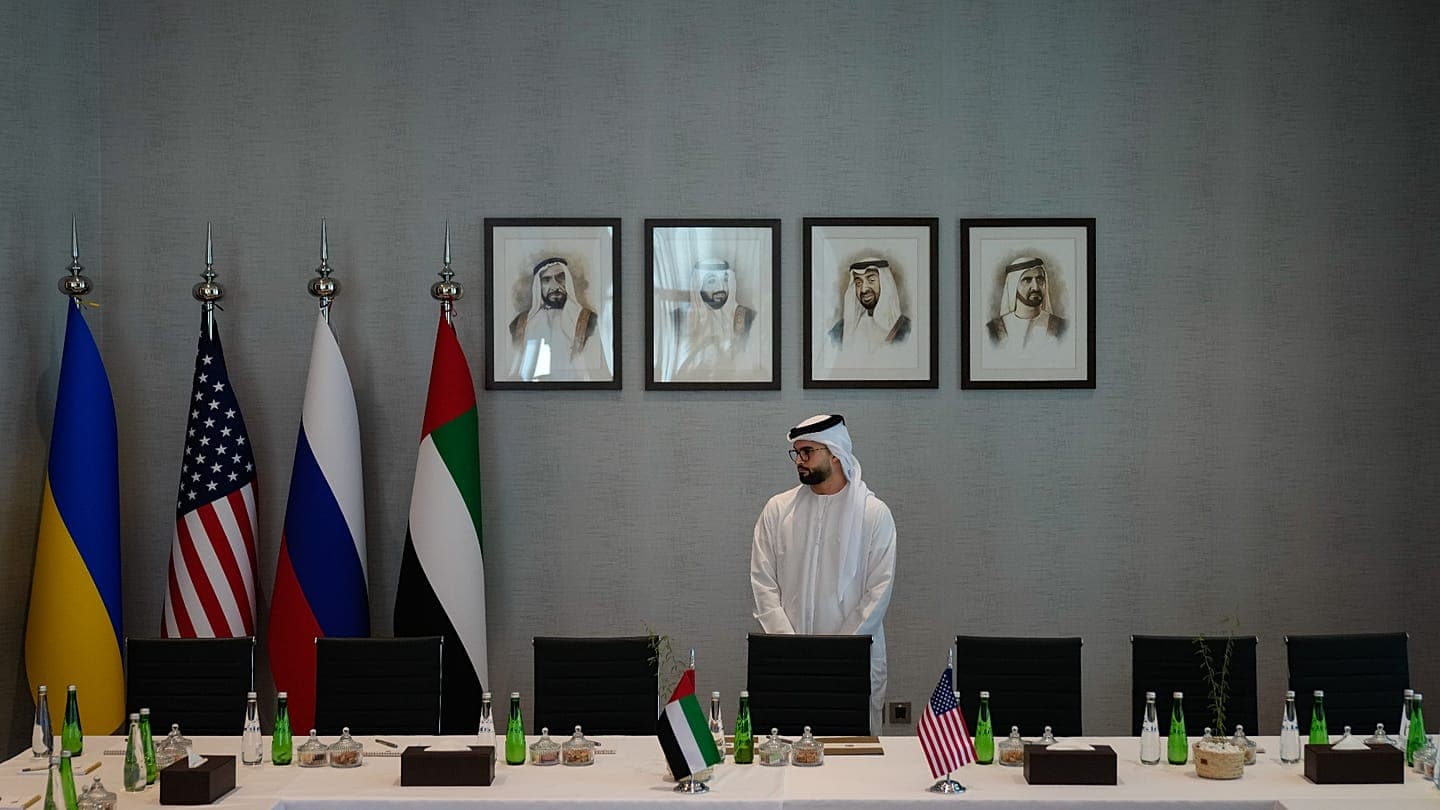
Second day of talks in Abu Dhabi
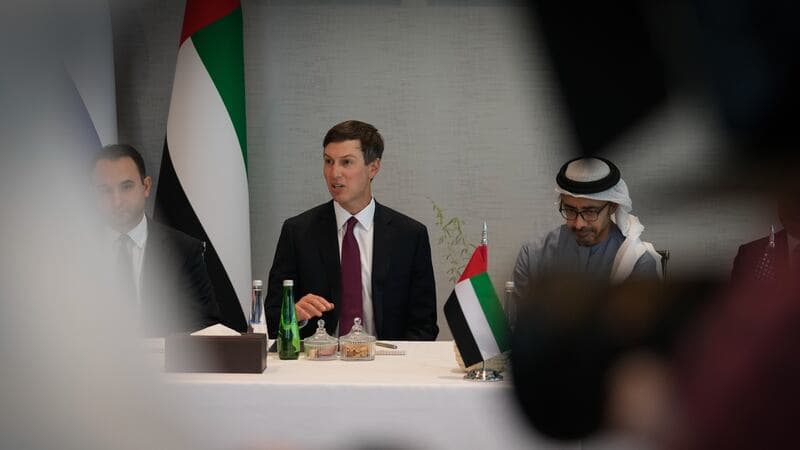
Talks between Ukraine and Russia, mediated by the US, are continuing in Abu Dhabi for a second day. No breakthrough has been announced, but key participants gave positive assessments of the discussions. Volodymyr Zelensky, speaking to journalists in Copenhagen, said he sees 'changes' in the approach of the American mediators and is satisfied with what he heard, calling the discussions 'constructive and quite substantive'. US Secretary of State Marco Rubio described the talks as 'very productive', and American envoy Jared Kushner said Washington had managed to narrow the gap between the parties' positions, without giving details.
Territory — the main sticking point
Moscow demands that Ukraine withdraw its troops from the eastern regions, including territories still controlled by Kyiv. Zelensky said Russian negotiators baselessly claimed that Russian forces had captured half of the remaining territory of Donbas under Ukrainian control. The Kyiv delegation refuted this with video evidence, and, according to Zelensky, NATO's Supreme Allied Commander in Europe, General Alexus Grynkewich, who was present in Abu Dhabi, confirmed that the Ukrainian battlefield maps are closer to reality. Zelensky suggested that Vladimir Putin is being misled about his army's successes and stressed that territorial issues must ultimately be decided at the leaders' level. Before the talks began, Donald Trump suggested that Ukraine might have to agree to territorial changes, saying the country would have 'a slightly different shape'.
Security guarantees and Europe's role
Washington and Moscow are also discussing broader European security mechanisms. Kushner said the US wants a new security architecture involving Ukraine, Russia and Europe. Notably, Russian Deputy Foreign Minister Sergei Ryabkov is part of the Russian delegation — before the full-scale invasion of 2022, he took part in advancing Moscow's demands to reduce NATO's presence in Eastern Europe. European officials held separate consultations in Abu Dhabi but are not part of the trilateral talks. Sergei Lavrov dismissively commented on their presence: 'Well, they flew to Abu Dhabi. Let them sit in the hotel.' Rubio, however, believes the Europeans will eventually have to join the talks, since they are 'part of the solution to this problem'.
Ceasefire and prisoner exchange
Moscow still rejects an immediate ceasefire: Lavrov accused European governments of seeking to give Ukraine time to restore its military losses. Kyiv hopes limited pauses could pave the way to a broader truce — following the example of the humanitarian operation in occupied Oleshky last month, which allowed aid to be delivered and civilians to be evacuated. A large-scale prisoner exchange is under discussion: according to Zelensky, the sides are considering exchanging 1,000 or potentially 1,500 prisoners from each side, and American officials are to travel to Russia for further talks. This echoes the May 2025 talks in Istanbul, when Kyiv and Moscow agreed to exchange 1,000 prisoners each without reaching a truce. No new agreement has been officially announced so far. For now, the only tangible results of the diplomatic efforts remain humanitarian arrangements and prisoner exchanges — without an agreement on a broad ceasefire or a peace settlement.