The key facts
- At COP31, Pezeshkian said the attacks on Iran's fuel facilities caused 1.5 million tons of CO2 emissions
- Strikes on storage tanks near Tehran took place on March 7, and on gas processing facilities in Assaluyeh on March 18
- According to the president, Iran increased its renewable energy capacity from 1,250 to more than 6,150 MW in two years
Statement at the Climate Summit
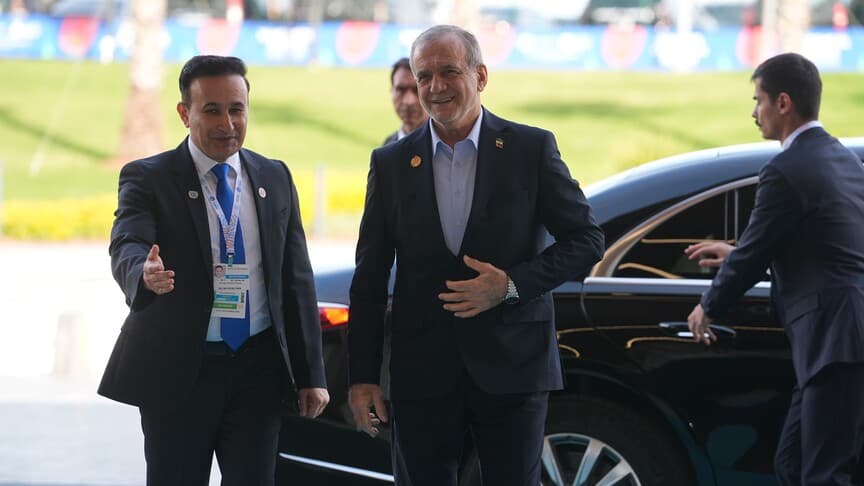
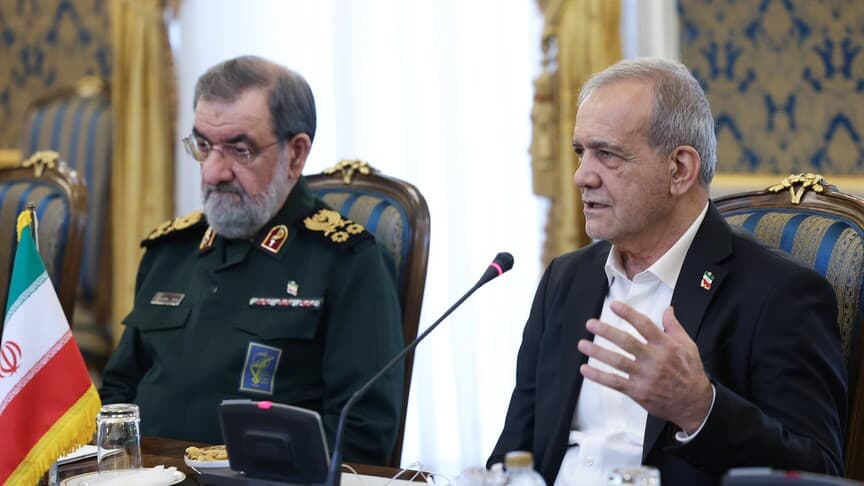
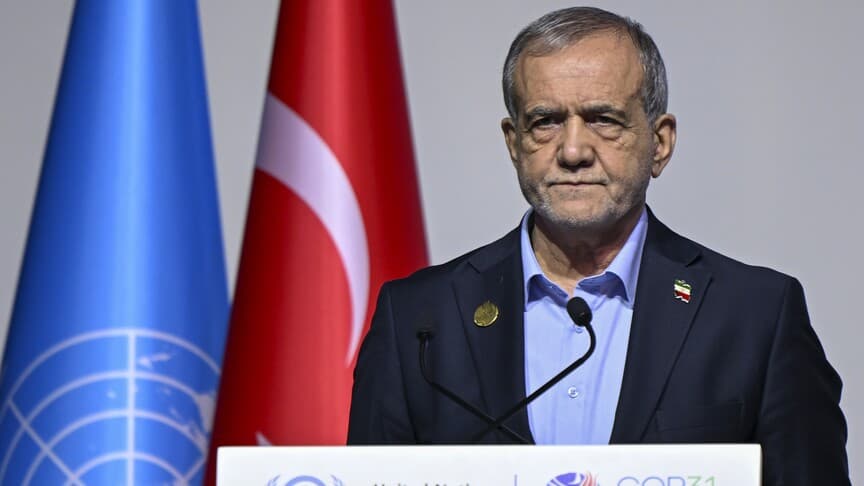
Iranian President Masoud Pezeshkian spoke at the UN climate summit COP31, which is being held in Antalya, Turkey, from November 9 to 20, and stated that US and Israeli attacks on Iran's fuel facilities released 1.5 million tons of carbon dioxide into the atmosphere and caused extensive environmental damage.
Distribution of Emissions and Timeline of Strikes
According to Pezeshkian, strikes on fuel facilities in Assaluyeh in the south of the country caused 500,000 tons of CO2 emissions, while strikes on fuel storage tanks near Tehran caused another 1 million tons. He also gave the dates of the attacks: Israeli strikes on oil storage facilities in Tehran took place on March 7, and on gas processing facilities in Assaluyeh on March 18. The military campaign, he said, began on February 28. The president accused Washington and Tel Aviv of serious environmental destruction and pointed to the contradiction between international efforts to reduce emissions and military operations that destroy infrastructure, cause large-scale fires, and release pollutants into the atmosphere.
Gaza, Nature Reserves, and the Call for Compensation
Pezeshkian also condemned Israel's military operations in the Gaza Strip, saying that the territory is facing a humanitarian and environmental catastrophe due to the destruction of infrastructure, water resources, and ecosystems. According to him, Iran's protected natural areas and environmental ranger stations were also attacked, damaging natural resources and threatening future generations. He called on international organizations to document the environmental damage from US and Israeli military operations in Iran and Gaza and to create compensation mechanisms.
Renewable Energy and Context
The president also cited figures on the development of clean energy: according to him, the installed capacity of renewable energy sources in Iran grew from 1,250 MW to more than 6,150 MW over the past two years, and in 2026 the country produced more than 4.5 billion kWh of clean electricity, preventing 2.5 million tons of CO2 emissions. He emphasized that peace and environmental protection are inseparable. Noting the scale of the conflict, Pezeshkian said that the US and Israeli attacks provoked a war that caused numerous casualties and the destruction of infrastructure; diplomatic efforts by regional mediators are aimed at ending the hostilities. It should be noted that the cited emissions estimates and clean energy figures come from the Iranian side and have not been confirmed by independent sources in the available materials.