The key facts
- OECD environment director: 'the real economy is moving faster than the political narrative'
- The main driver of the green transition is energy security, followed by economic benefits and environmental considerations
- AI data centers create risks for electricity and water consumption, but can help climate measures
The economy is outpacing politics
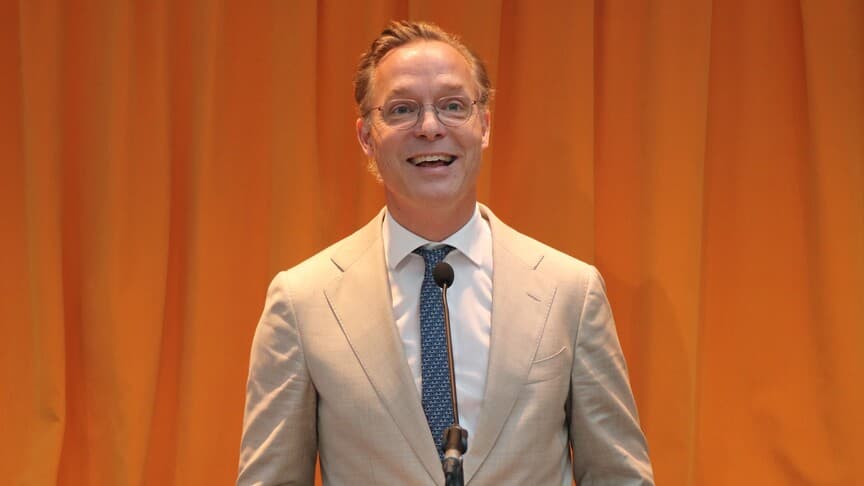
Investment in renewable energy and electrification is growing faster than political climate commitments, OECD Environment Director Joaquim de Bourbon de Parme said on Tuesday in an interview on the sidelines of the COP31 climate conference in Antalya. 'The real economy is moving faster than the political narrative,' he said, adding that political rhetoric is weakening while investment in electrification is growing. According to him, recurring fossil fuel crises, especially in the Middle East, have exposed the vulnerability of traditional energy supplies, and countries with developed renewable generation benefit from lower energy costs.
Energy security as the main driver
De Bourbon de Parme named energy security — the desire to be less dependent on external energy sources — as the main motive for accelerating the transition, followed by economic advantages and environmental considerations. He noted that solar installations can be built noticeably faster than a gas power plant, which takes years. As evidence of technologies becoming cheaper, he pointed out that in some developing countries solar panels are bought even as wedding gifts. 'Energy security and climate now go hand in hand,' he emphasized.
AI: risks and opportunities
Speaking about the rapid growth of artificial intelligence infrastructure, the OECD representative warned that data centers' growing consumption of electricity and water creates additional strain on the environment and competes with other industries. At the same time, AI, in his words, can help climate measures through improved forecasting and more efficient administrative processes, including issuing permits for new projects. The net effect will depend on whether the benefits outweigh the resource costs: 'If the costs become greater than the benefits, that is truly a big alarm for the world,' he warned.
Expectations for COP31
Among the important topics of the negotiations, de Bourbon de Parme highlighted emissions mitigation, the global stocktake process, adaptation monitoring, and a just transition. He stressed that the shift from carbon-intensive industries to clean ones will inevitably create economic and social difficulties: 'The transition is painful. It will be uneven everywhere,' and support measures will be needed for workers who may lose their jobs. The main weight of the conference, in his view, lies on the action agenda, where electrification is a key component. He also praised Turkey's organization of COP31 and mentioned the '35 by 35' agenda — a proposed target for the global energy balance by 2035, an agreement on which could give new impetus to international climate cooperation.