The key facts
- The FSB conducts questioning and checks of foreigners' mobile phones at the border, including YouTube viewing history and messenger correspondence
- Grounds for denial of entry included, in particular, 'prohibited videos' in viewing history and deleted correspondence
- The wave of checks at Moscow airports began in the spring of 2024 after the terror attack at Crocus City Hall
What is happening at the border
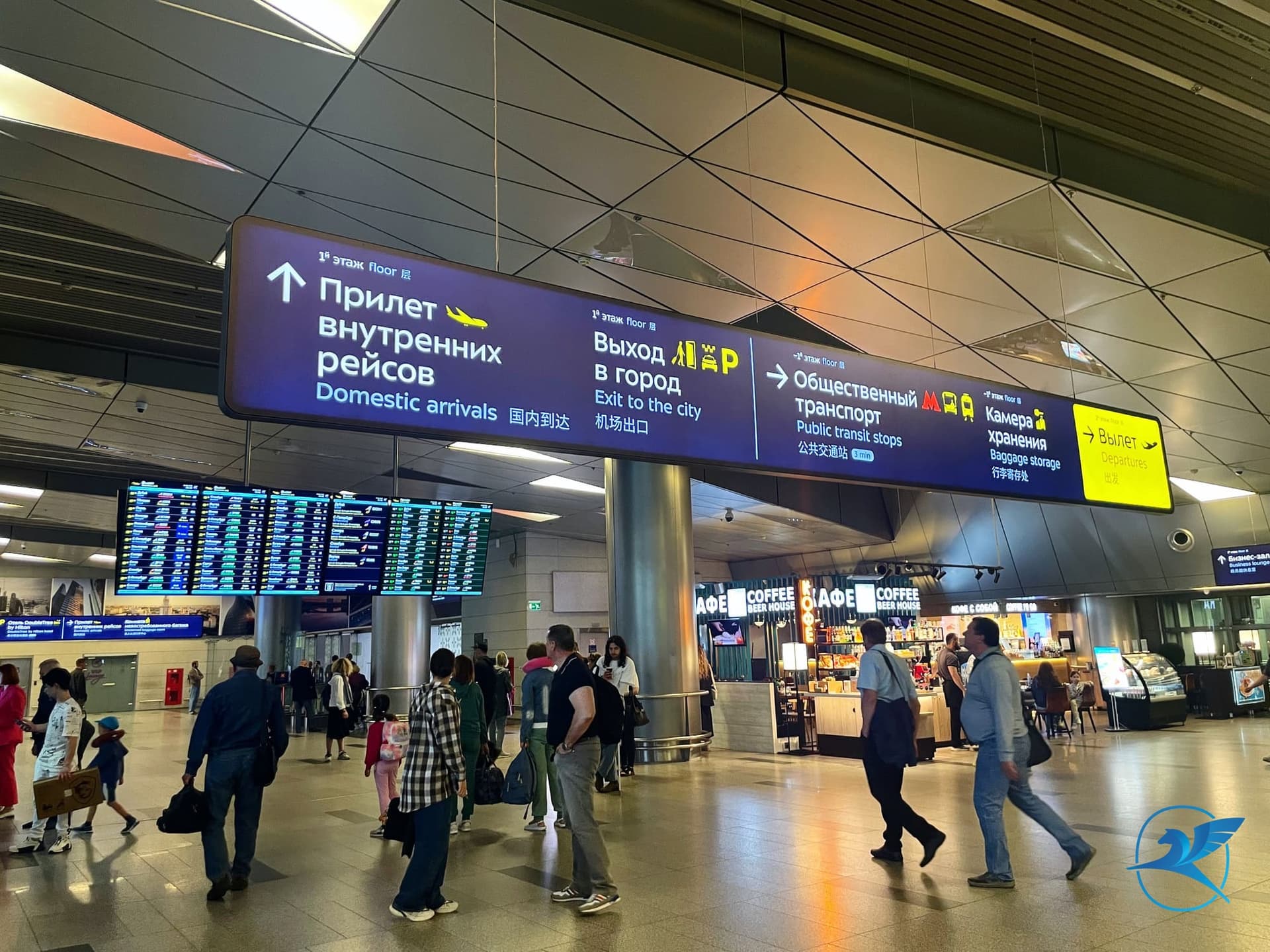
Citizens of Tajikistan and Uzbekistan undergo a 'filtration' procedure at Russian airports, and some of them are not allowed into the country. This is how the situation is described by the Telegram channel 'Ostorozhno, novosti', which examined nine court rulings on bans on foreigners' entry into Russia. According to the documents, 'filtration' includes questioning and checks of mobile phones; at the same time, it is emphasized that foreigners hand over their phones to FSB officers voluntarily. Based on the results of the check, a decision is made on admission to the country or denial of entry.
What is checked and why entry is refused
In the 'filtration' zone, officers of Russian security services checked, among other things, YouTube viewing history for 'videos prohibited on the territory of the Russian Federation'. Denial of entry was also issued over deleted correspondence in messengers, and in one case — because the person presented a push-button phone. According to 'Ostorozhno, novosti', the FSB asserted in courts that all those involved could be classified as supporters of 'radical Islamic ideology'.
Context and scale
The wave of checks at Moscow airports began in the spring of 2024, after the terror attack at Crocus City Hall, the channel notes. In the summer of 2025, TASS, citing court rulings, also reported that citizens of Tajikistan and Uzbekistan whose phones were found to contain subscriptions to pages of terrorist and extremist organizations are banned from entering Russia. Similar 'filtration' checks are undergone by Ukrainians, and sometimes by Russians returning home from abroad.