The key facts
- The first three-way talks since February will take place in Abu Dhabi; the delegations are led by experienced negotiators on both sides
- According to a US official, Moscow and Kyiv are 'privately' showing flexibility on the eastern regions, but public positions on Donetsk have not changed
- The US proposes discussing a post-war 'security architecture' and moving the process to a multilateral format with European participation
First talks in nine months
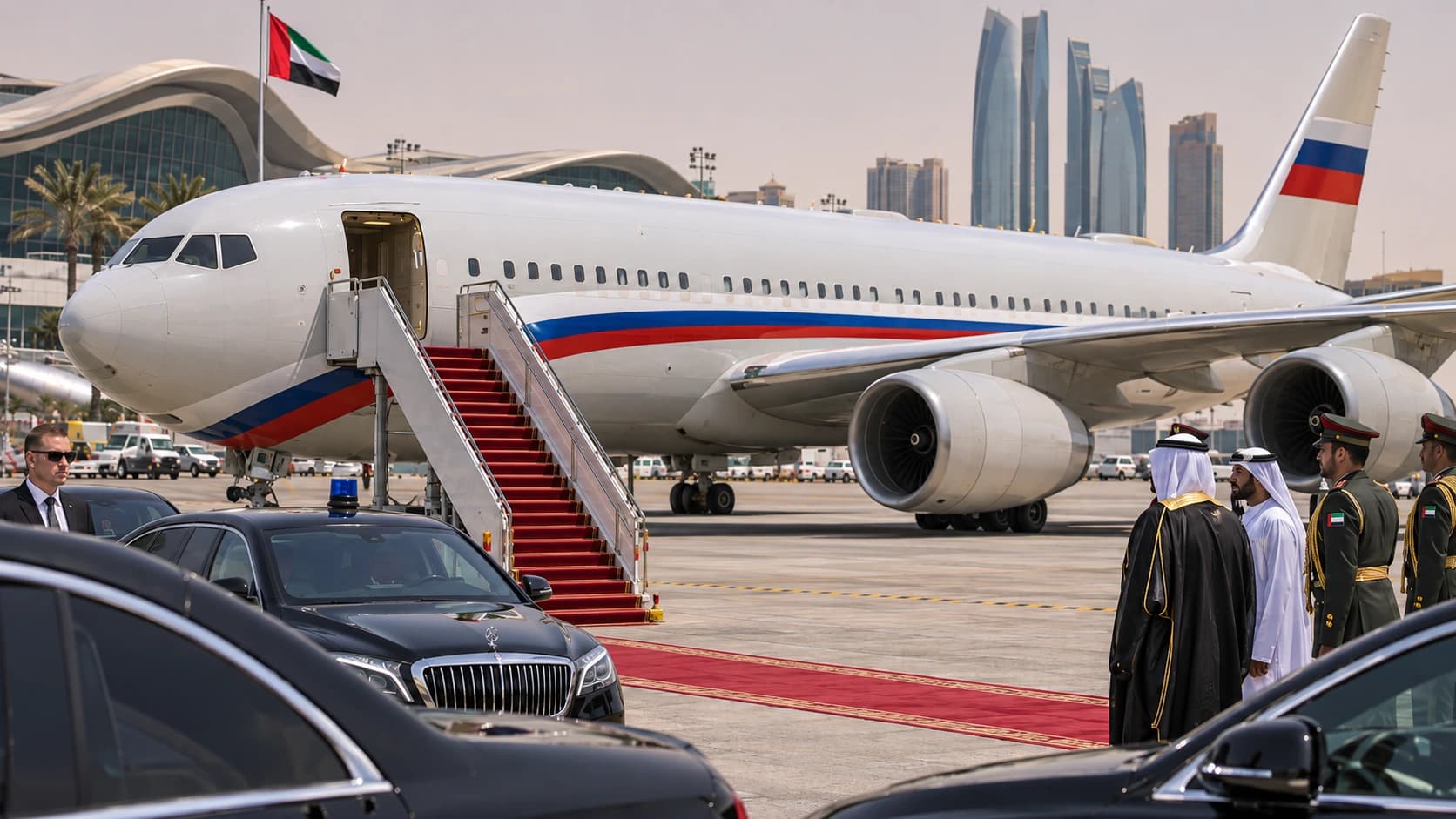
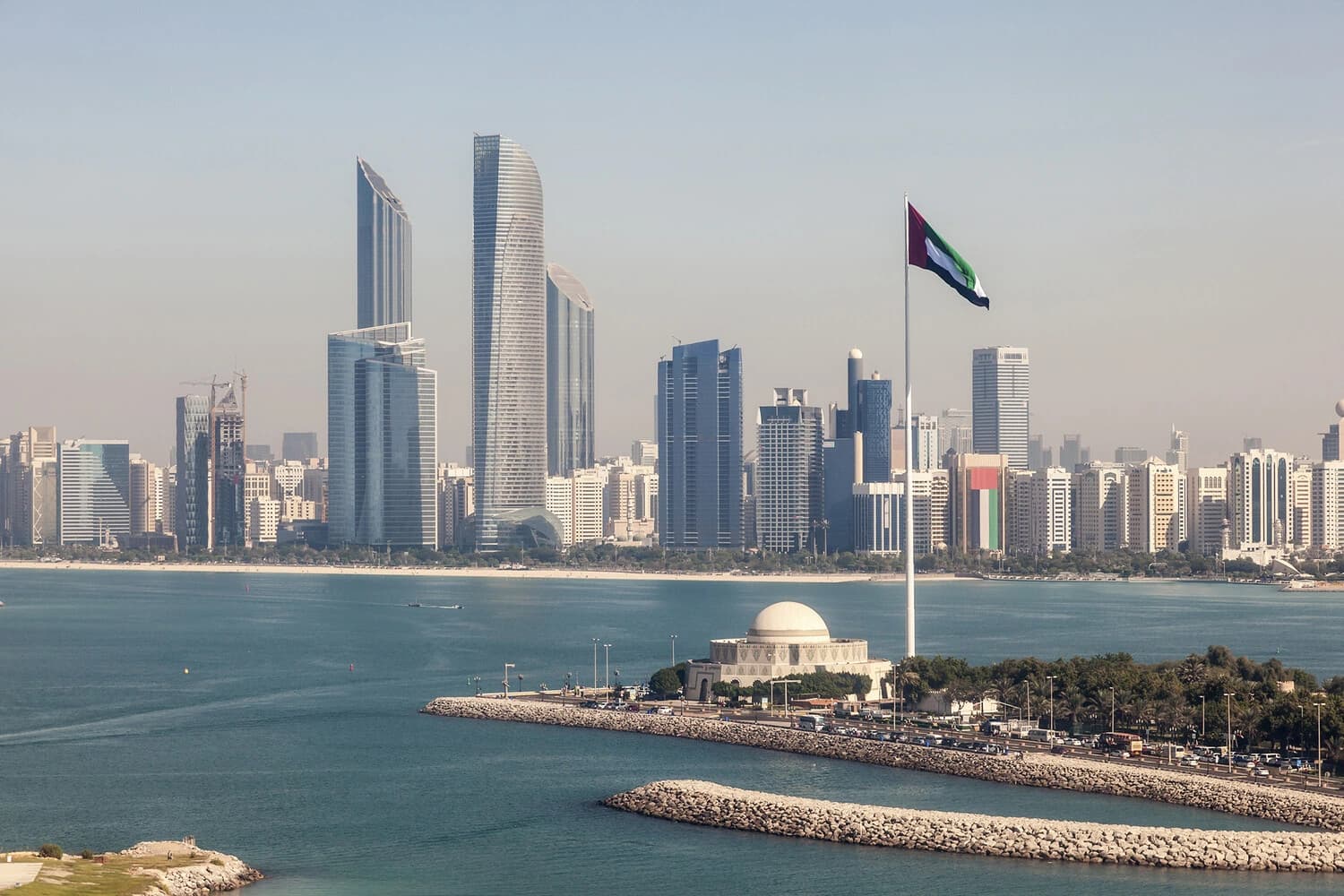
Senior officials from Moscow, Kyiv and Washington are meeting in Abu Dhabi — the first three-way talks on ending the war since February, BBC News reports. The previous round in Geneva ended without a breakthrough, after which Washington's attention was diverted by the US and Israel's war with Iran, and discussions have not resumed since. The meeting comes as the fifth anniversary of Russia's full-scale invasion of Ukraine approaches.
Flexibility in private, hard positions in public
American officials say Moscow and Kyiv are privately showing 'some flexibility' on who will control Ukraine's eastern regions in a post-war scenario. Publicly, the positions remain incompatible: Russia demands that Ukraine give up the parts of Donetsk region it still holds, while Kyiv insists on freezing the line of contact, calling these territories critically important for its security. According to a US official, the territorial question will not be resolved until the sides agree on a post-war 'security architecture': 'We cannot finish one without the other.' The proposed framework includes security consultations, 'hotlines' for crisis communication, 'mutual de-escalation measures' and a possible reactivation of the NATO–Russia Council, suspended since 2022.
Delegations and the US role
The American delegation is represented by Donald Trump's son-in-law Jared Kushner and special envoy Steve Witkoff. Kushner said the talks will focus on 'post-war security issues' for both sides, but cautiously noted that the Abu Dhabi meeting could at most 'create momentum for the next stage of negotiations.' Russia is represented by presidential aide Vladimir Medinsky, deputy foreign ministers Sergei Ryabkov and Mikhail Galuzin, intelligence chief Igor Kostyukov and General Yuri Zhigarlovsky. Kyiv has sent foreign intelligence chief Rustem Umerov, head of Zelensky's office Kyrylo Budanov and MP Davyd Arakhamia — members of previous negotiating teams.
Europeans demand a seat at the table, scepticism in Kyiv
European leaders, largely sidelined from the peace process, are seeking participation out of fear that the continent's security will be decided without them. European Commission President Ursula von der Leyen has called for NATO allies and EU members to be included in any 'meaningful discussions on the European security architecture.' A US official said the Americans will propose moving to a multilateral format with European participation, adding that 'the Russians have a grudge against the Europeans.' Inside Ukraine, sentiment is sceptical: the head of the parliamentary foreign affairs committee, Oleksandr Merezhko, told the BBC that Trump wants a 'quick deal at Ukraine's expense,' which Kyiv will reject, and that the US president's recent steps — including a deal to buy diesel fuel from Russia — 'only encourage Moscow to continue the war.' The talks are taking place against the backdrop of ongoing Russian strikes on Ukraine's energy infrastructure, which Kyiv sees as proof of an intent to force the country to accept a deal on Russia's terms.
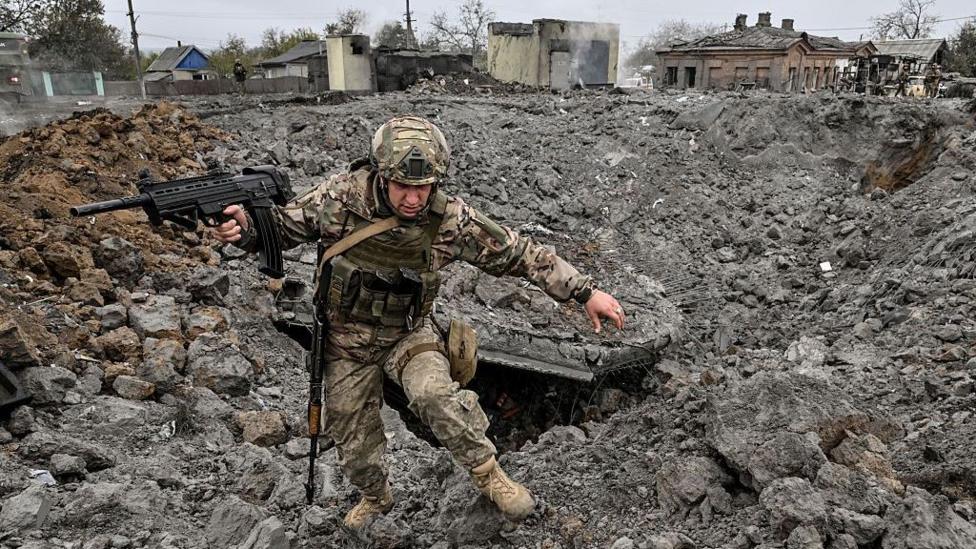 Image source, Getty Images
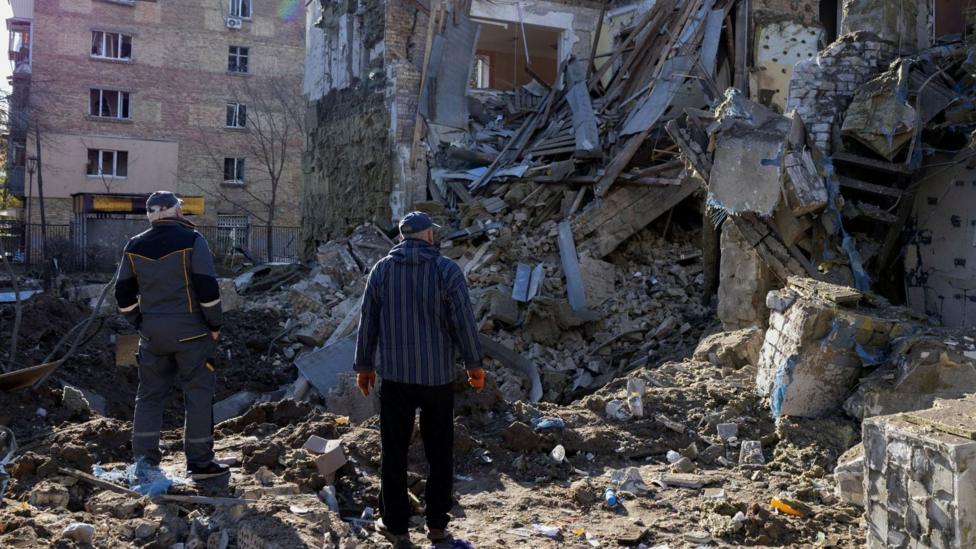
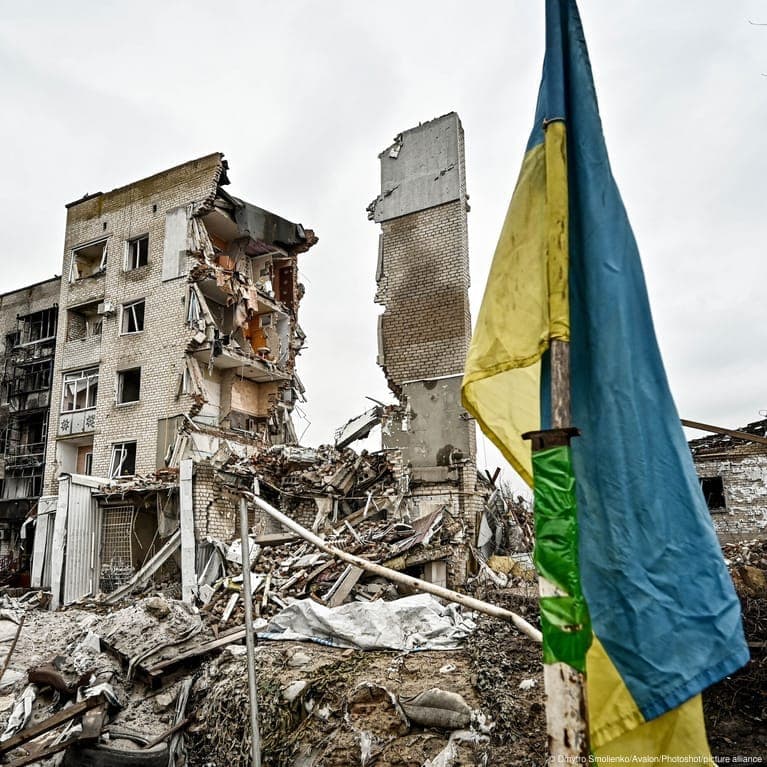
The talks come as Ukraine reels from a deadly Russian strike on a village in Zaporizhzhia last week, in which at least 40 people were killed
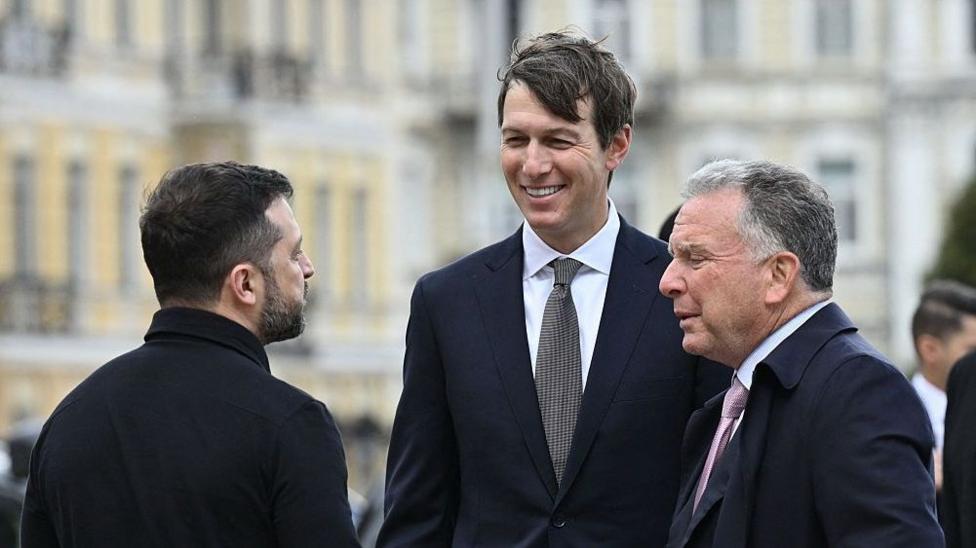 Image source, AFP via Getty Images
Jared Kushner and Steve Witkoff are part of the US delegation that will attend the talks in Abu Dhabi