The key facts
- The Conservatives plan to keep payments for only about 30% of the most severe cases; the remaining 70% will receive support through mental health services and family hubs
- The number of child DLA cases rose from 521,476 in 2020 to 914,000
- Labour and the Child Poverty Action Group sharply criticised the plan
The essence of the proposal
The UK Conservative Party has pledged to save £2.8 billion a year by ending Disability Living Allowance (DLA) payments to families of children with 'milder cases' of behavioural disorders, learning difficulties or ADHD. This was reported by BBC News. The measure is part of a package of proposals which, according to the party, will cut the social security budget by £36 billion.
How child DLA works and what will change
Child DLA allows parents to claim payments of between £30.30 and £194.60 per week to cover the additional costs of raising a disabled child. The condition is that the child either has difficulty getting around or needs more care than a peer without a disability. According to government figures cited by the party, the number of child DLA cases rose from 521,476 in 2020 to 914,000, and the Conservatives call it 'the fastest-growing benefit in the British system'.
Who will be affected by the changes
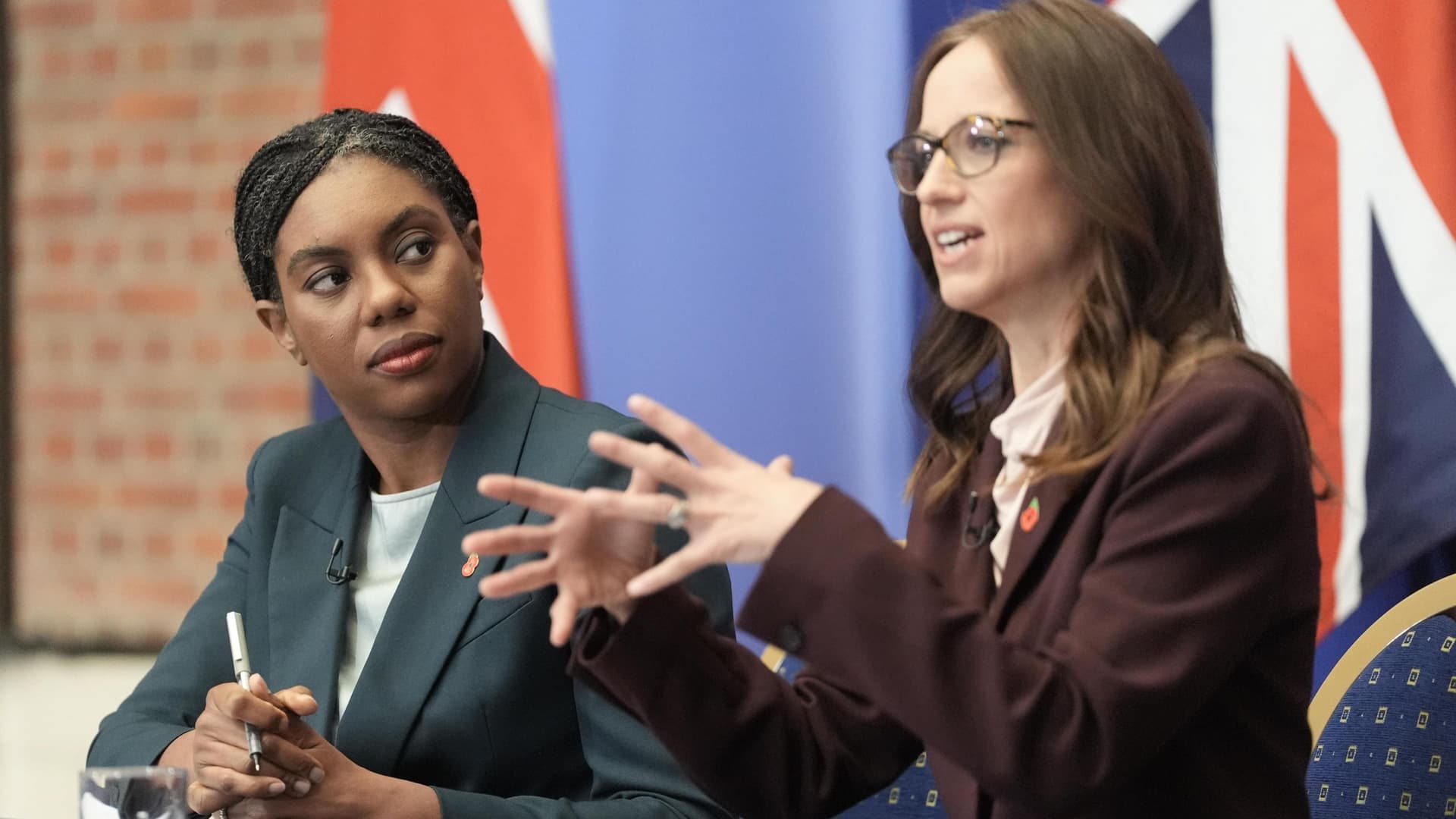
Under the plan, for claims related to behavioural disorders, learning difficulties or ADHD, cash payments will be retained only for cases with the highest need — about 30% of cases. The remaining 70% will lose the payments but, the party promises, will receive support through mental health services and family hubs, into which the Conservatives intend to invest £1 billion. The changes will apply to new claims and reassessments; children with physical disabilities are excluded from the reform. Shadow work and pensions secretary Helen Whately said the system risks putting children on a 'conveyor belt' to a 'life on benefits'.
A broader package of cuts
The party has previously announced other measures: £13.7 billion from restricting payments to people with 'milder mental health conditions and neurodivergence, such as anxiety, depression and ADHD', £9.5 billion from making it harder for foreigners to access benefits, £4.5 billion from cutting local housing allowances, £3.1 billion from reinstating the two-child benefit cap and £1 billion from tackling fraud. Conservative leader Kemi Badenoch said: 'If you tell a young person that their ADHD makes them defective and that they will never achieve anything, that way of thinking is likely to destroy their future more than the condition itself'.
Reaction and the government's position
The Labour Party called the Conservative plan 'a charter for homelessness and human misery that will plunge people into hardship and ultimately cost the state more'. The charity Child Poverty Action Group said the proposals would 'take Britain back to the dark ages' and cause 'the largest one-off rise in child poverty since records began'. The current Labour government, according to BBC News, also wants to cut benefit spending but has not set a timetable: reviews by Alan Milburn on young people not in education or work, and on disability benefits led by Sir Stephen Timms, are due to be published in November, with details expected afterwards. Whately responded that Milburn is 'laying the groundwork for new social security spending'.
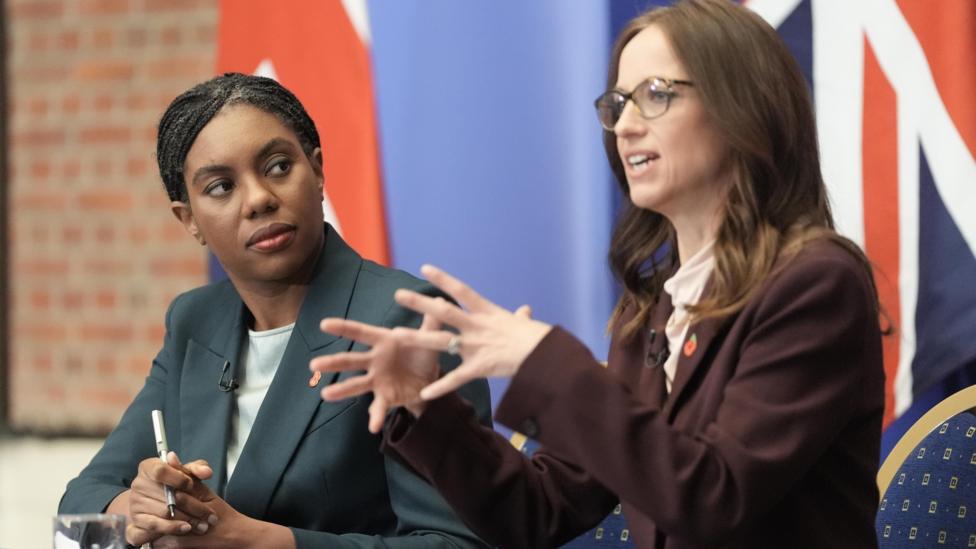 Image source, Press Association