The key facts
- According to superstition, you shouldn't lend salt, bread, money, sharp objects, needles, a broom, or return empty dishes
- Almost every prohibition has a workaround: salt is given as a gift, a coin is taken for a knife, dishes are returned with a treat
- There are the most money-related superstitions: don't lend in the evening, on Tuesday, on Sunday, or during a waning Moon
Seven things you shouldn't lend to your neighbours
In traditional culture, lending certain items was associated with losing household prosperity and quarrels with those living next door. Life.ru has compiled a list of seven such items: salt, bread, money, a knife and scissors, needles and pins, a broom, and dishes. Today people go to their neighbours for salt less often, but, according to the outlet, many still refuse with an awkward smile.
Prosperity and the protection of the home
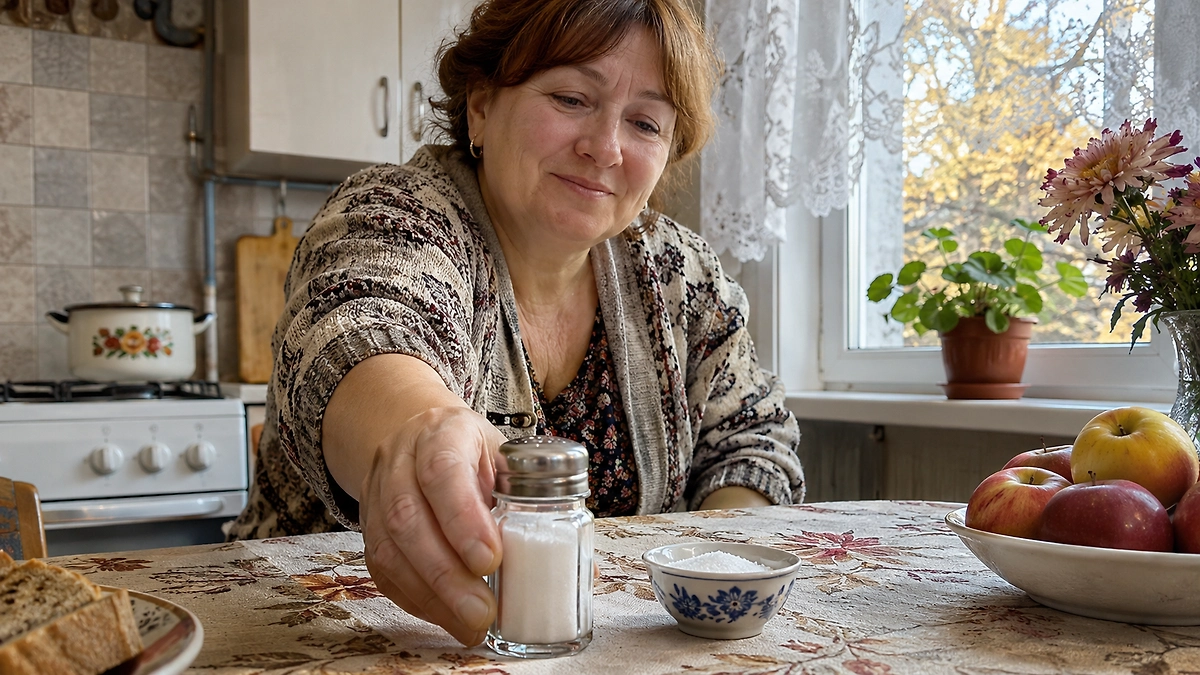
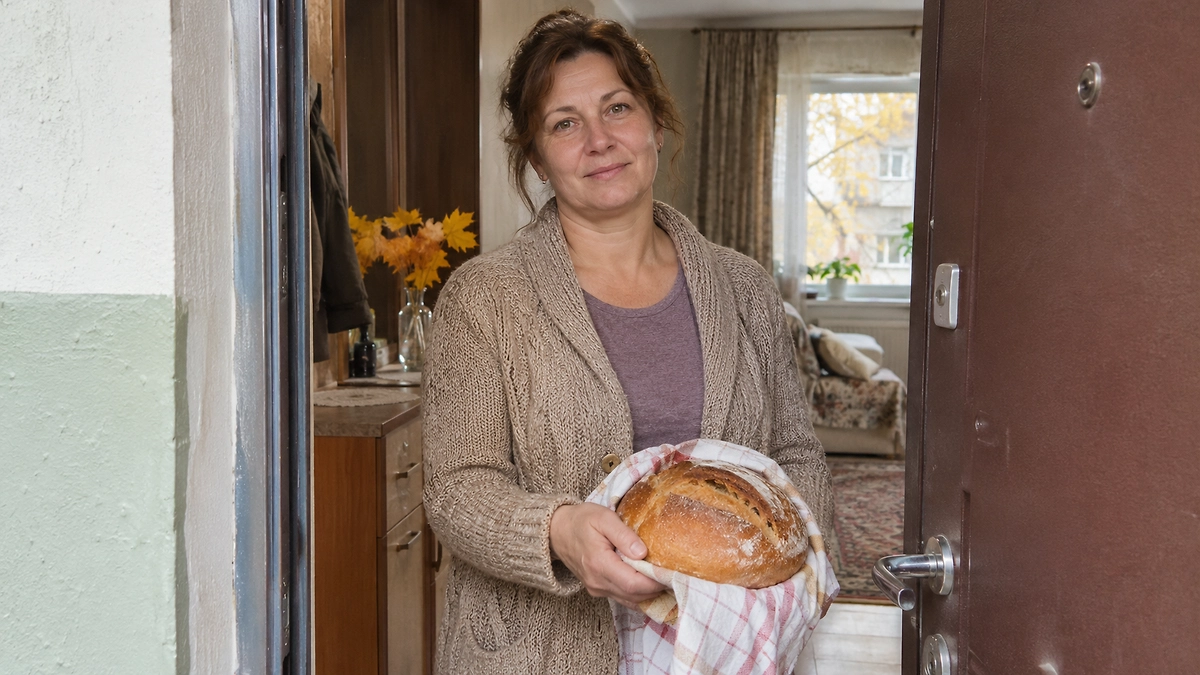
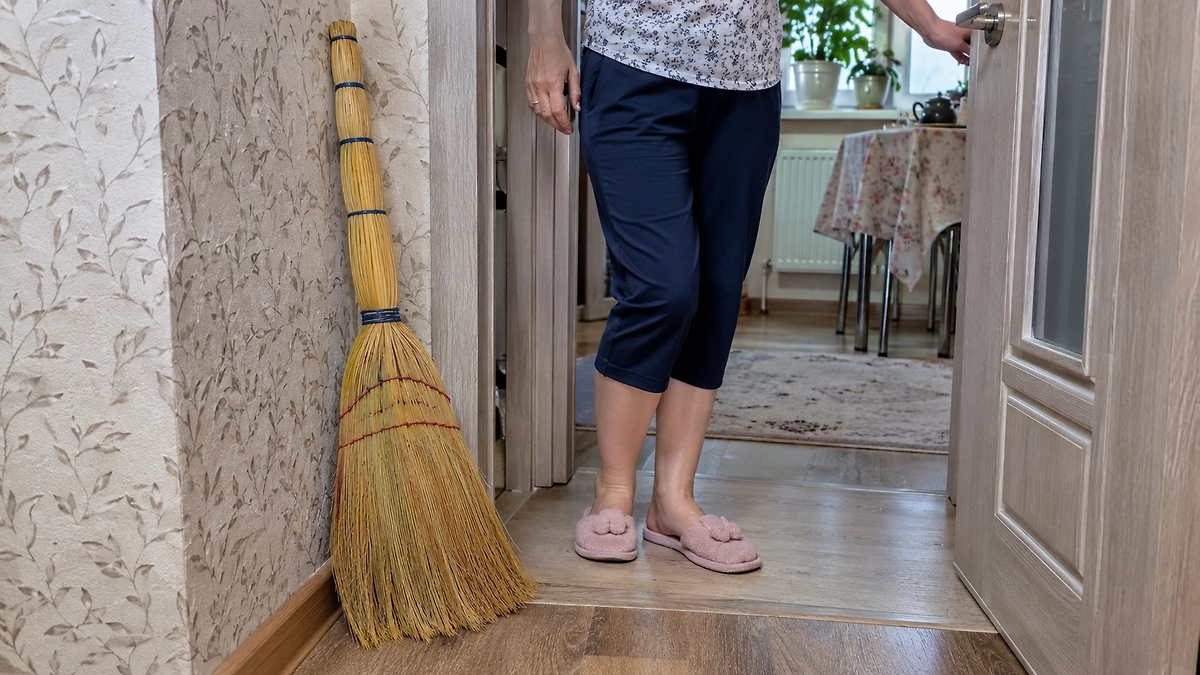
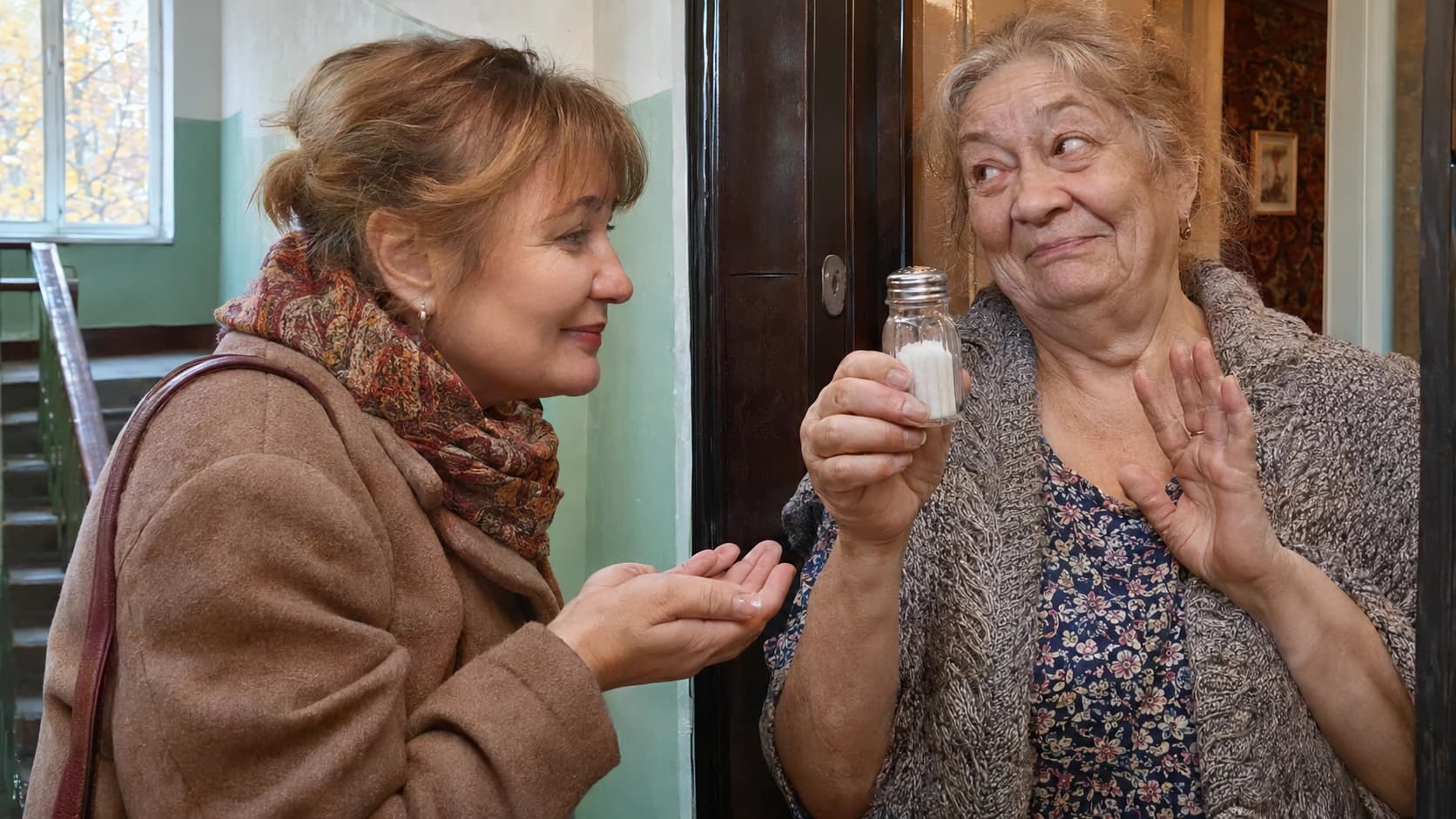
According to folk beliefs, you should not take salt from neighbours — it leads to financial difficulties — and giving it away means sharing your own prosperity. Ethnographers add that salt in folk beliefs is associated with quarrels, so it was advised not to lend it but to give it as a gift without asking for it back, and when handing over the salt cellar one was supposed to laugh. Several prohibitions are connected with bread: you must not give away the last piece, pass it over the threshold — the boundary between your own world and the outside world — or give it after sunset. The broom was considered a protector of the home, sweeping out everything bad along with the dust, so giving it away meant depriving yourself of protection; it was also not recommended to let others use it.
Money, sharp objects and needles
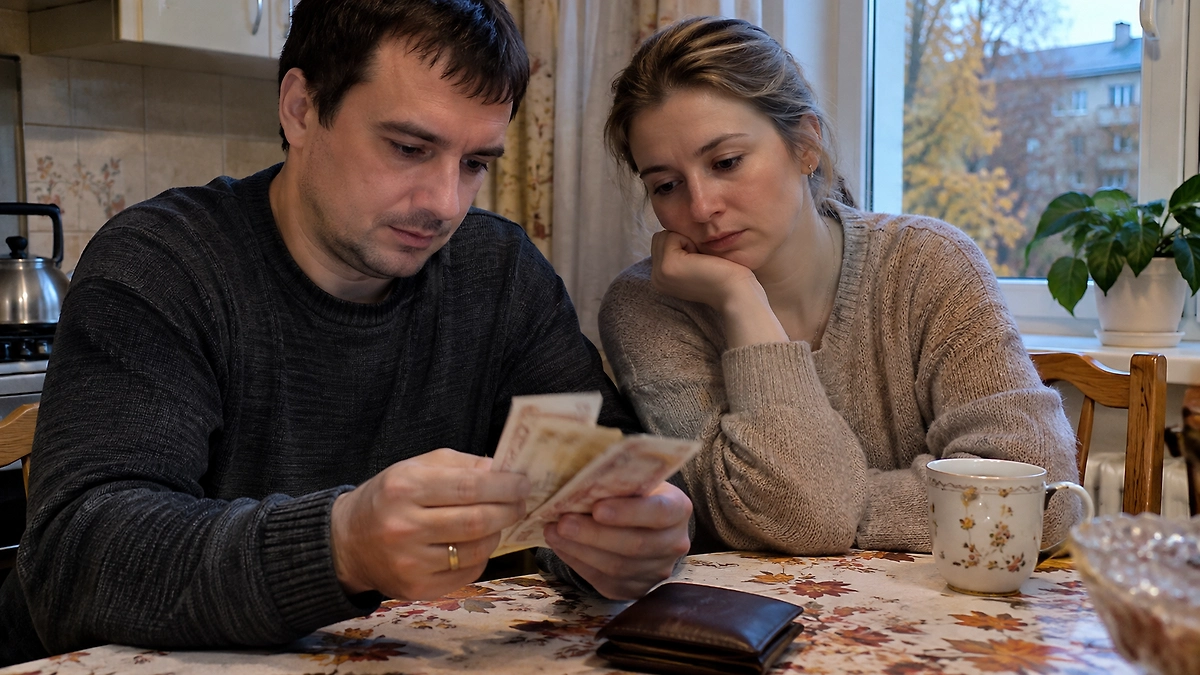
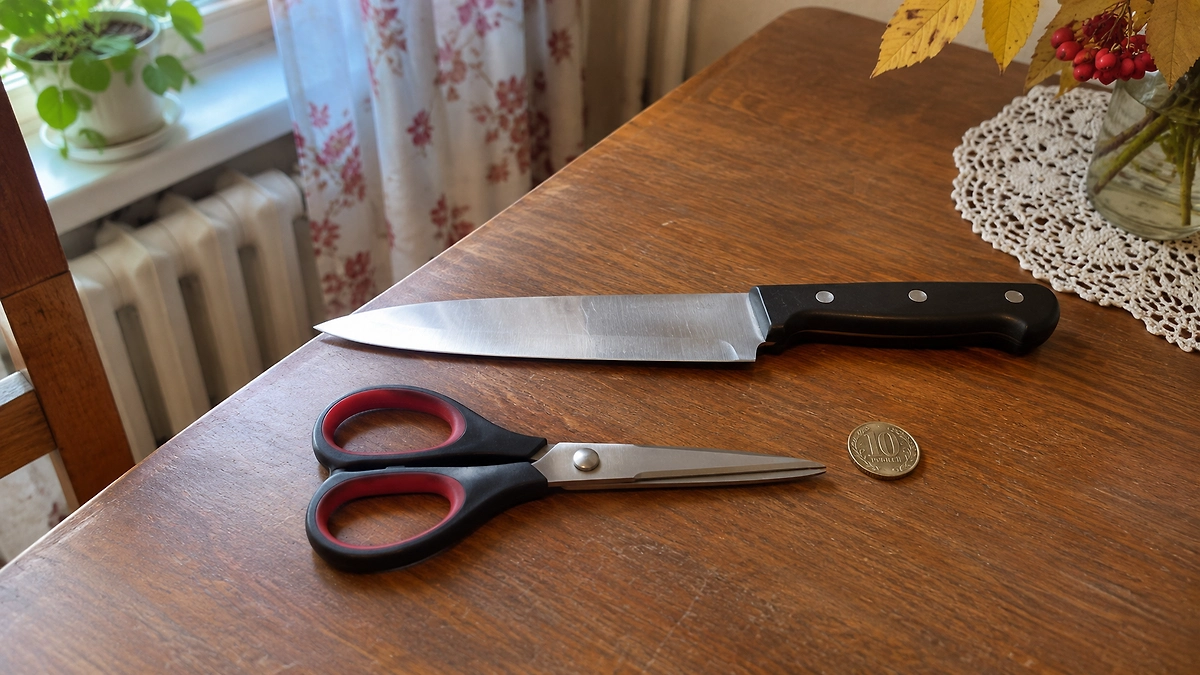
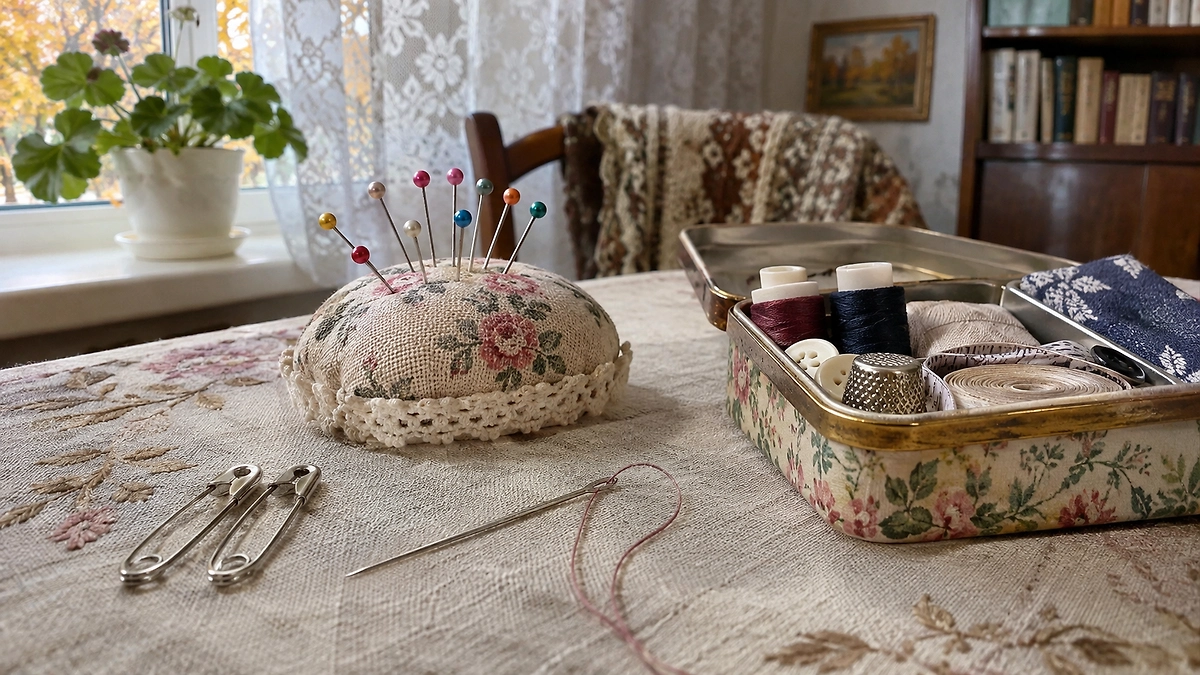
There are more money-related superstitions than any others: money is not lent or repaid in the evening, not borrowed on Tuesday, on Sunday or on major church holidays, and nothing is lent during a waning Moon. If a neighbour asks for money in the evening, superstitious people transfer it to a card — which also has a practical benefit, since the transfer is visible in the transaction history. According to superstition, sharp objects 'cut' relationships, so a coin was given for a borrowed knife or scissors, turning the loan into a purchase. A needle was considered an object through which illness could be passed or a curse cast — the outlet links these fears to old notions of witchcraft, when refusing to give a needle was seen not as greed but as caution.
Dishes and modern practice
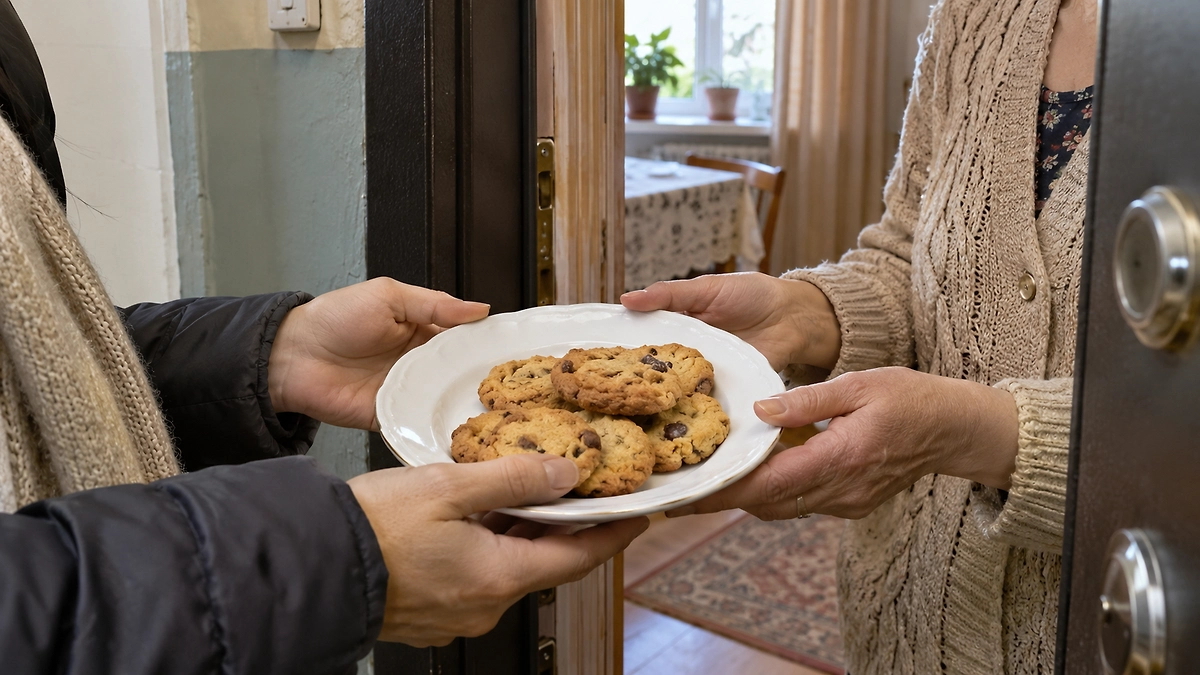
You can borrow dishes from your neighbours, but you must not return them empty: in folk beliefs, empty dishes mean emptiness in the home, so they are returned with a treat — anything from sweets to a handful of cookies. This custom is known both in Russian villages and among neighbouring peoples. The outlet notes that today people knock on doors less often for salt and more often for a pill or a thermometer; there are no superstitions about this, but there is practical advice: keep your first-aid kit in order and check expiration dates, since sharing expired medicine is worse than politely refusing.