The key facts
- In 2025, about 38,000 Indian citizens entered Russia for work, compared with 25,800 a year earlier
- Menus for foreign workers now include rice, curry, spicy sauces and kimchi; vegetarianism and religious restrictions are taken into account
- After a strike by Indian workers at one site, employers began bringing in crews together with cooks from India
Growing hiring is changing the canteens
Russian employers are increasingly restructuring corporate catering to suit the habits of foreign employees. Development director of the outsourcing company Mega-Personal Roman Ignatiev told Gazeta.Ru, that in 2025 about 38,000 Indian citizens entered Russia for work, compared with 25,800 a year earlier, and given this growth, companies have to take into account the usual diet of their workers.
What is changing on the menu
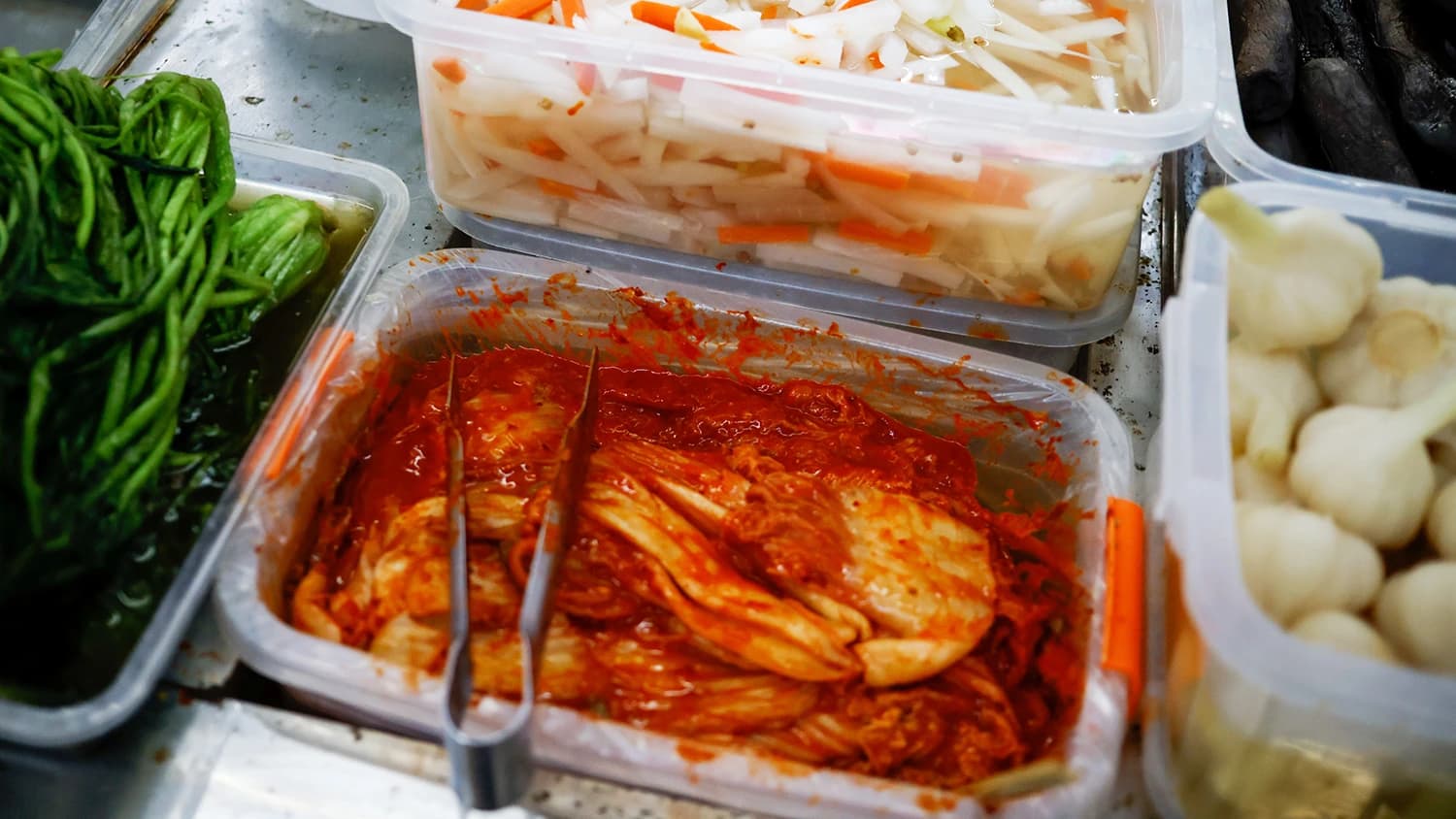
According to Mega-Personal's observations, rice, curry dishes, spicy sauces and kimchi are appearing on menus for foreign workers. For employees from India, it is important to take into account their love of spices and spicy food, as well as vegetarianism: some workers do not eat meat, so the usual canteen menu may not be enough, and Indian employees may separately ask about the composition of dishes and the presence of meat. For workers from the DPRK, familiar foods include rice, kimchi, spicy and fermented dishes; in practice, the necessary products are either purchased separately and added to the menu, or employees are given the opportunity to cook for themselves.
A strike case
Mega-Personal gave a telling example: the first five employees from India at one site declared a strike because the employer failed to take their eating habits into account — rice and chicken were not on the menu every day, and they did not eat pork or beef. After that, Indian workers began to be brought to sites together with cooks from their country, who prepared food for the crews separately.
Africa and an individual approach
Hiring from African countries is also expanding, but, as the company notes, it would be incorrect to combine the eating habits of workers from Africa into a single menu — we are talking about dozens of countries with different culinary traditions. Important elements of the diet include rice, legumes, corn products, vegetables, meat and fish, spicy sauces and spices, as well as possible religious restrictions, such as abstaining from pork. Ignatiev emphasized that one cannot assume identical habits among all employees of the same nationality: the specific country of origin and possible restrictions are taken into account, and food remains one of the most important factors of adaptation. Earlier, as the outlet recalls, it turned out that Russian IT companies have increased spending on foreign specialists.