The key facts
- The third cohort of 'Time of Heroes' is open to SVO participants without higher education — applications are accepted until January 25, 2027
- The training will last three years, and graduates will receive a state-recognized diploma
- On November 5, Putin instructed the Presidential Administration, together with the government, to develop the program for fighters without a university diploma
A new cohort without a university diploma
Selection for the third cohort of the 'Time of Heroes' program began on November 9 by decision of Russian President Vladimir Putin. The key difference from previous intakes is relaxed educational requirements: participants and veterans of the SVO with general secondary, secondary vocational, or incomplete higher education can now apply. Applications are accepted until January 25, 2027, the training will last three years, and graduates will receive a state-recognized diploma. This was reported by Life.ru.
From directive to launch — in just a few days
The expansion of the program was prepared quickly: on November 5, at a meeting with the government, Putin stressed the need to provide servicemen without higher education with opportunities for professional development and work in the civil service, and instructed the Presidential Administration, together with the government, to develop a separate program. By November 9, selection was already open. Thus, the decision on the new format is not a plan for the future but an already active intake with a specific deadline.
How the expansion is explained
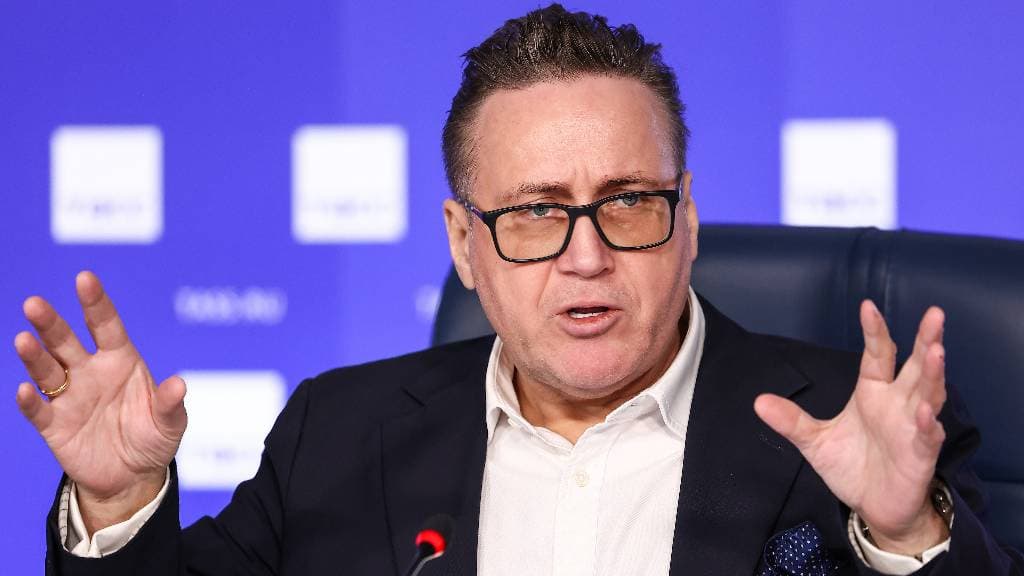
Evgeny Minchenko, president of the Minchenko Consulting communications holding, suggested in a conversation with Life.ru that the idea for the third cohort emerged from the president's personal interactions with SVO participants, whom he meets with regularly. In his assessment, the new format opens up prospects in state and municipal service for veterans who previously could not enter the program due to educational requirements, and represents a natural evolution of the project, whose first cohorts included many high-ranking officers. Minchenko also pointed to the election of SVO participants and program graduates to the State Duma as a sign that the project works as a mechanism for career advancement; similar personnel programs, he said, also operate at the regional level. Note that this is the expert's opinion, not information about the motives behind the decision confirmed by the program's organizers.