The key facts
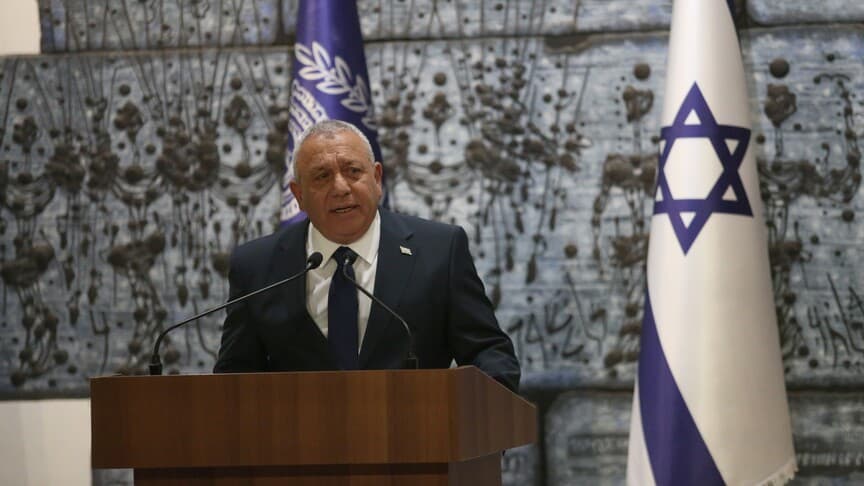
- Herzog tasked Gadi Eisenkot with forming the government: his candidacy was backed by 67 Knesset members against 46 for Netanyahu
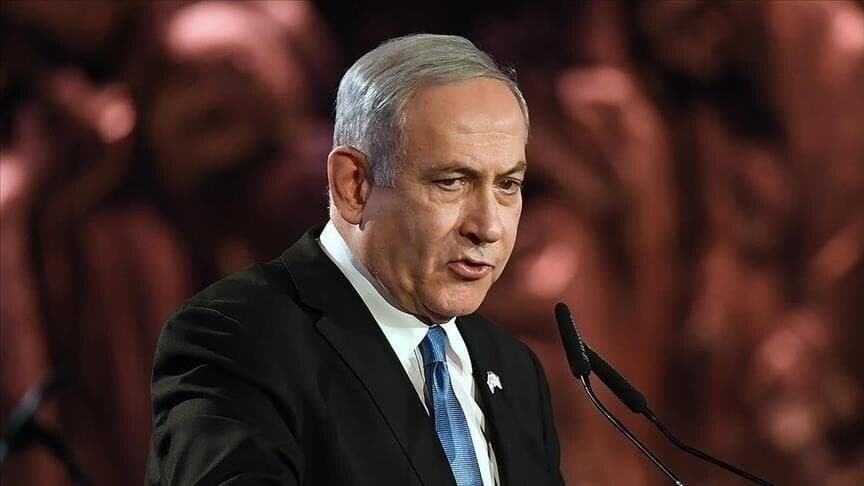
- Netanyahu insists that the national unity government should be led by Likud, which won 27 of 120 seats
- Netanyahu’s bloc holds 53 mandates — short of the required 61; Eisenkot has 28 days with a possible 14-day extension
The mandate goes to the opposition, but Netanyahu disagrees
Israeli President Isaac Herzog on Sunday formally tasked opposition leader Gadi Eisenkot with forming the next government, but already on Monday incumbent Prime Minister Benjamin Netanyahu declared that he himself should lead a national unity government. According to him, Likud took first place in the October 27 parliamentary elections, receiving a quarter of a million more votes than the next party. “A unity government is an urgent necessity, the need of the hour,” Netanyahu said in a video address broadcast by Israeli media, including Channel 12 (reports Anadolu).
The balance in the Knesset
In the October 27 elections, Likud won 27 of the Knesset’s 120 seats, while Eisenkot’s Yashar party took 21. Netanyahu’s bloc received 53 mandates, short of the 61 needed for a majority; opposition parties won 48 seats and Arab parties 19. During consultations with Herzog, 67 Knesset members recommended Eisenkot, 46 recommended Netanyahu, and seven declined to make a recommendation. Herzog acknowledged that Likud is the largest party, but noted that previous presidents had tasked leaders of other parties with forming a government, citing the majority of members who backed Eisenkot.
Obstacles to Eisenkot’s coalition
Eisenkot has 28 days to form a government, with a possible 14-day extension. After receiving the mandate, he called for the creation of a national emergency government, saying that the challenges facing Israel require the parties to overcome political differences. His efforts, however, face resistance from potential partners: the issues at stake are dependence on Arab parties and disagreements over the military service exemption sought by ultra-Orthodox factions. Yisrael Beiteinu leader Avigdor Lieberman ruled out supporting a minority government or one dependent on Arab parties, but expressed readiness to negotiate with the ultra-Orthodox. If Eisenkot fails to form a coalition capable of winning a vote of confidence in the Knesset, Herzog may assign the task to another candidate. Netanyahu, for his part, said he was ready to begin talks with any party about a unity government: “I exclude no one, and no one should exclude anyone. Enough with the boycotts,” he said, calling on Zionist and ultra-Orthodox parties to unite.