The key facts
- According to Joaquín Borrell, the region is warming 20% faster than the global average
- COP31 in Antalya is the first UN climate conference held in a coastal Mediterranean city
- A ministerial round table on the region's climate is scheduled for November 17; more than 60 events are taking place in the Mediterranean Pavilion
A region in danger despite its tourist image
The Mediterranean region is warming 20% faster than the global average, which threatens marine ecosystems and increases the risks of extreme weather events. This was stated on the sidelines of the COP31 climate conference in Antalya by the Deputy Secretary General of the Union for the Mediterranean (UfM) Joaquín Borrell, in an interview with Anadolu. According to him, the region's reputation as a popular tourist destination masks its vulnerability: “People tend to think that the Mediterranean is a very pleasant region, which it is, but it is a region that is in danger, in danger because of climate change.”
What exactly threatens the region
Borrell highlighted two main risks. The first is rising sea temperatures, which threaten marine biodiversity; he stressed that the Mediterranean Sea is vital for the social, cultural and demographic survival of the region. The second is increasingly severe weather events, including devastating summer wildfires and autumn flash floods. The organization he represents promotes cooperation among Mediterranean countries on climate, water, energy and the environment.
A “Mediterranean COP” and a prepared agenda
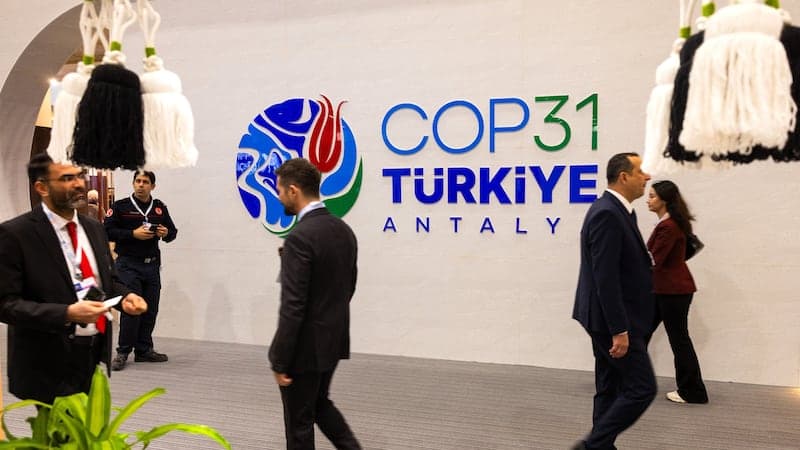
Borrell called COP31 an opportunity to raise global awareness of the region's vulnerability. The conference's motto is “From dialogue to action through consensus.” According to him, the UfM and the Turkish COP presidency worked for eight months through the “Antalya Mediterranean Dialogues,” holding national consultations in seven countries of the region to develop a common regional climate agenda. Antalya has become the first coastal Mediterranean city to host a UN climate conference. On the practical side: on November 17, a ministerial round table on the region's climate issues is scheduled in Antalya, while the Mediterranean Pavilion at COP31 is hosting more than 60 events and panel discussions.
A warning about a north–south divide
Borrell urged countries to cooperate, calling it the only way to fight climate change: “The technology exists, the financing exists, the needs exist... We simply need to learn how to cooperate.” He called solar and wind energy a major opportunity, comparing the energy transition to the Industrial and Neolithic revolutions, but noted the need for cross-border electricity interconnections and the joint use of renewable resources due to the difficulties of storing such electricity at scale. Separately, he warned that a divide between the wealthier northern and less wealthy southern countries of the region could block negotiations: such an approach “will lead us to conflict,” there will be no consensus, and the parties will be left with “an endless dialogue between north and south.” As a country that bridges different regional identities, he cited Türkiye and called for building consensus on mutually beneficial solutions.