The key facts
- Five regions — Kalmykia, Sevastopol, the Nenets, Chukotka and Yamalo-Nenets autonomous okrugs — plan to end children's permanent residence in institutions by the end of 2027
- From July 2024 to October 2026, the number of children in residential institutions fell by 25.5% — from 60,061 to 44,758
- The nationwide target for 2030 is to reduce the number of children in institutions to 30,000
A new goal: family instead of a building
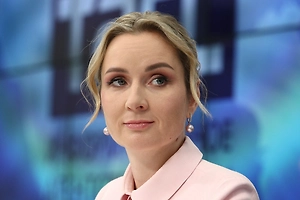
Maria Lvova-Belova, the Russian president's commissioner for children's rights, has proposed setting the country a task under which not a single child would remain in orphanages and shelters. The statement was made at the V All-Russian Forum 'Living and Being Raised in a Family' in Samara, the children's ombudsman's press service reports. 'I propose we take on a new big goal — so that there is not a single child in our children's institutions, orphanages and shelters, so that there is a family, not a building. I know this is achievable,' Life.ru quotes her as saying.
Five regions as a pilot
Five regions are to be the first to implement the idea: Kalmykia, Sevastopol, the Nenets, Chukotka and Yamalo-Nenets autonomous okrugs. By the end of 2027, they plan to ensure that children no longer live permanently in special institutions — these regions are meant to demonstrate that a family-based upbringing system can replace orphanages. The vacated buildings will not stand empty: Lvova-Belova proposed converting them into crisis centres for families in difficult life situations, day-care units for children with disabilities, as well as bases for social nannies and mobile teams helping parents.
What has already been done and what is set for 2030
The number of children in institutions is already declining: according to the ombudsman's office, from July 2024 to October 2026 the number of children simultaneously in residential institutions fell by 25.5% — from 60,061 to 44,758. In the first half of 2026 alone, according to the office, more than a thousand children returned to their parents. At the same time, the current nationwide target for 2030 is more modest than the new initiative — it envisages reducing the number of children in institutions to 30,000, while a full transition to family-based upbringing remains a longer-term goal. Lvova-Belova believes the regions already have the necessary tools and experience. Separately, she announced the return of nine children to Ukraine in November; earlier she criticised Ukraine and Western countries because the lists of children demanded to be returned to their families contain only names and dates of birth but no information about relatives ready to take them in — in her words, reunification requires legal grounds for transferring a child. Over several years, the ombudsman's office has assisted 177 children.