The key facts
- The Judicial Committee of the Privy Council unanimously struck down the laws criminalising same-sex relations in Trinidad and Tobago
- The decision is the result of an 11-year battle by dual citizen Jason Jones; in 2018 he had already won in the High Court, but a government appeal overturned the verdict
- This is the first JCPC ruling on decriminalisation; previously Trinidad and Tobago was among roughly 34 Commonwealth countries where such laws were in force
The outcome of an eleven-year legal battle
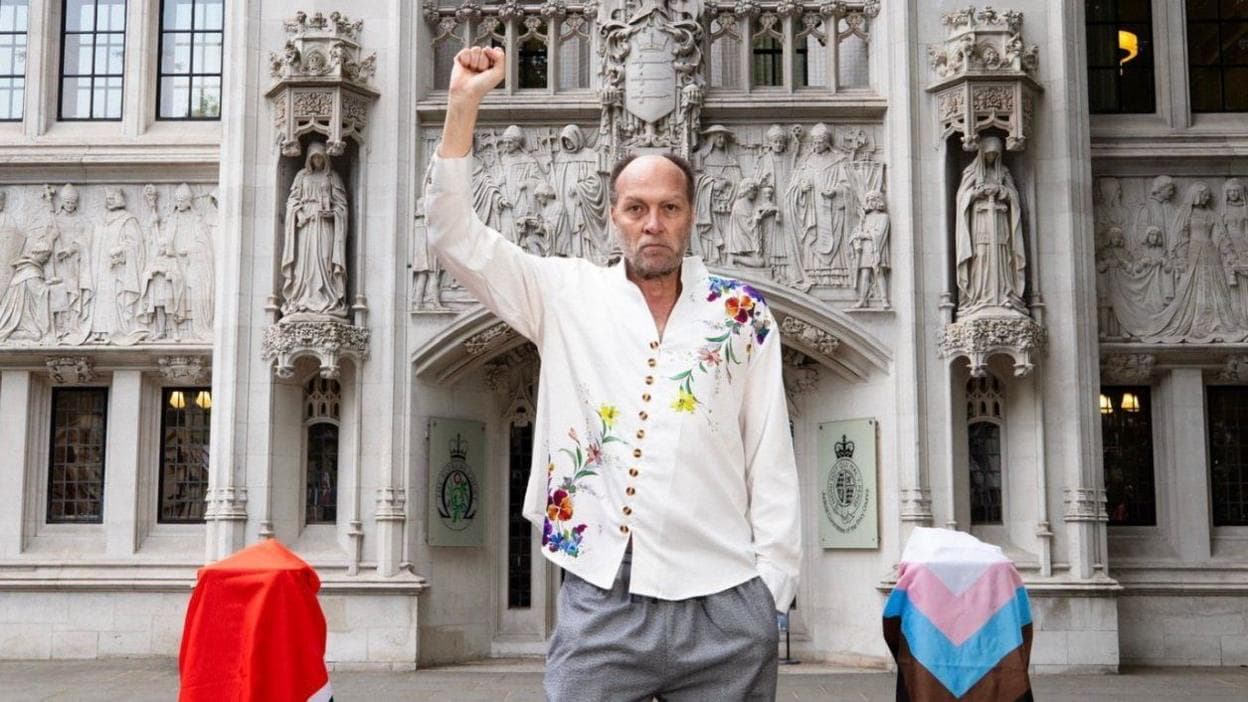
The Judicial Committee of the Privy Council in London (JCPC), which serves as the highest court of appeal for Trinidad and Tobago,has struck down laws that criminalised same-sex relations. The court ruled that these provisions violate the 'fundamental individual right to respect for private and family life'. The decision was made unanimously in the case brought by 62-year-old dual citizen Jason Jones, who had pursued the case for 11 years. 'These laws never reflected who we are as a people and a nation — diverse, multinational and secular. They told LGBT+ people that we are criminals in our own country. Today, that message ends,' Jones said after the ruling was delivered.
Why the earlier victory did not stand
The road to the decision was not straightforward: in 2018 Jones had already won his case in the High Court of Trinidad, but the country's government succeeded in overturning that verdict on appeal. The state's main argument rested on the so-called 'savings law clauses' — provisions that carried over existing British laws into the newly independent states and shielded them from legal challenges. Jones's lawyers argued that the 1986 amendments, which introduced harsher penalties, meant the clauses' protection no longer applied. The court accepted precisely this argument. Lord Sales noted that the laws 'cannot be considered reasonably justified in a society that properly respects the rights and freedoms of the individual'.
Significance beyond the country
This is the first time the JCPC has heard a case on the decriminalisation of same-sex relations, and human rights advocates hope the verdict will pave the way for similar challenges in other Commonwealth countries. Before the ruling, Trinidad and Tobago was among roughly 34 Commonwealth countries where same-sex relations remained a criminal offence under colonial British laws — punishable by imprisonment and, in some cases, by death. Jones's lawyer Anand Ramlogan called the verdict 'a landmark victory for gay rights, equal dignity and respect for private and family life in Trinidad and Tobago'. In practical terms, the decision means that criminal prosecution for consensual same-sex relations in the country comes to an end, although, as the case's own history shows, the finality of this outcome depends on the authorities' position: the appellate court that overturned the 2018 verdict has now been exhausted.
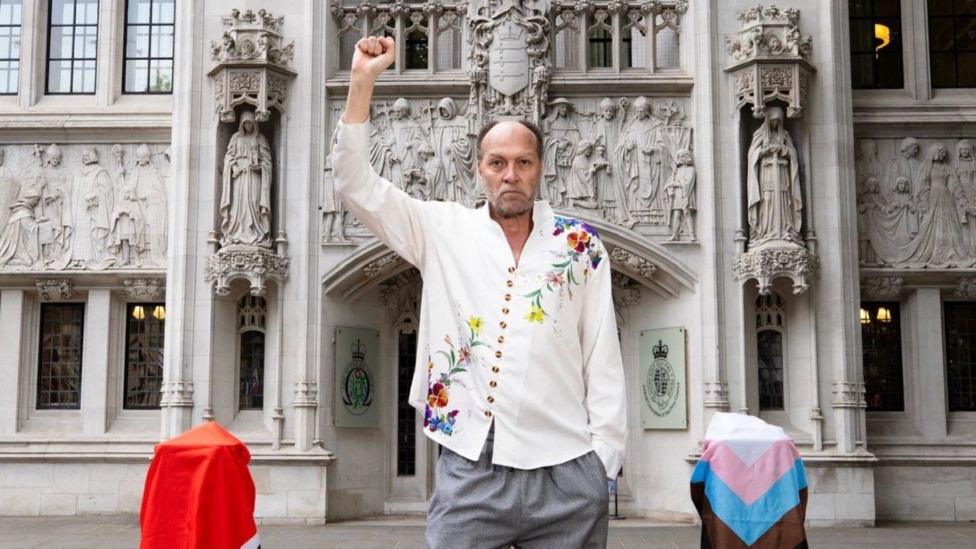 Image source, Jason Jones
The victory comes after an 11-year legal battle by dual-citizen Jason Jones