The key facts
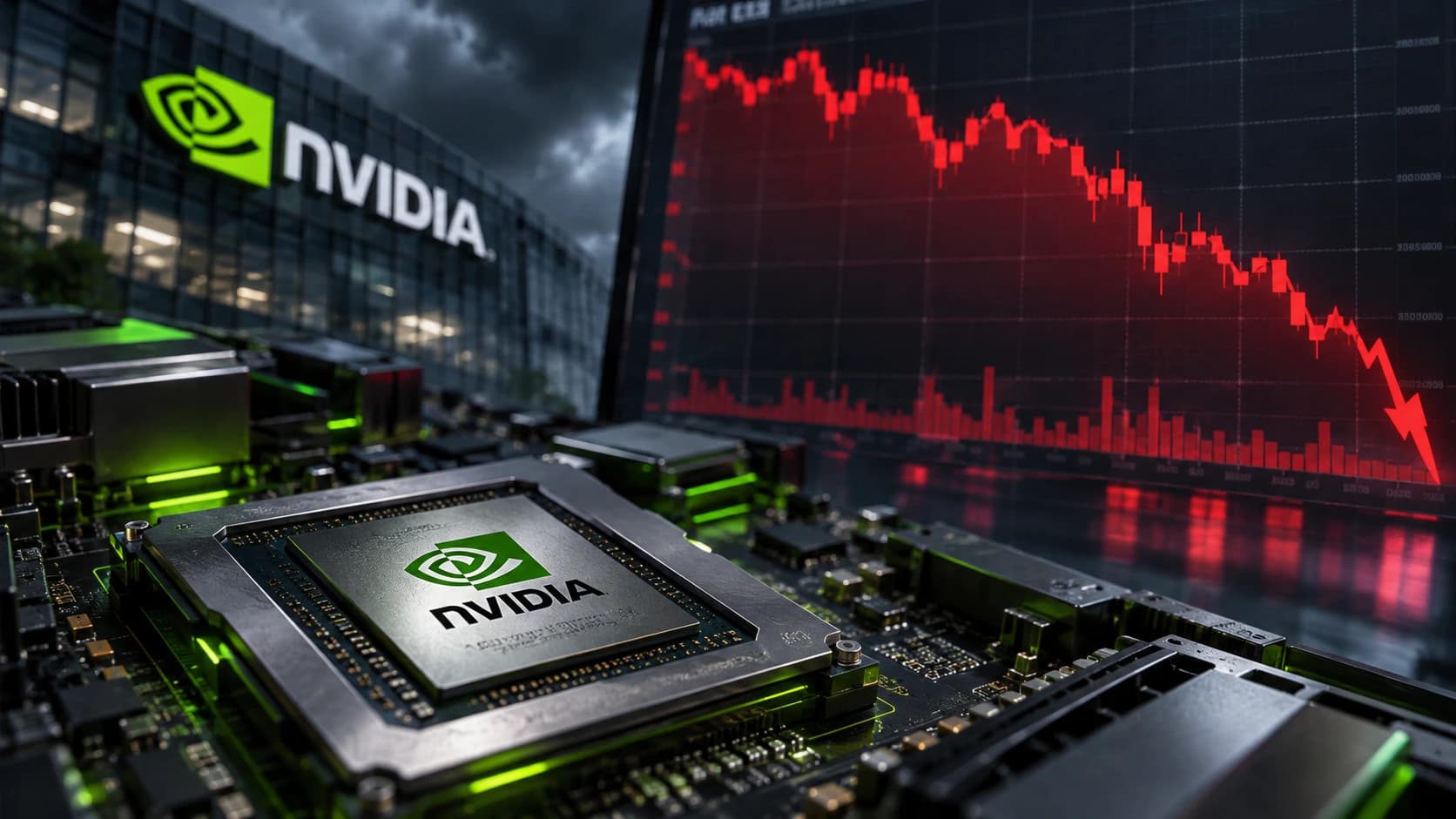
- Nvidia shares fell more than 4% on the first trading day after the board announced an investigation into Jensen Huang
- Several shareholder rights firms, including Schall, Brown & Schwartz and Rosen Law Firm, have announced investigations; Rosen is preparing a class action lawsuit
- Several shareholder rights firms, including Schall, Brown & Schwartz and Rosen Law Firm, announced investigations; Rosen is preparing a class action
- The legal theory of the lawsuit is based on the company's earlier statement about Huang's ties, not on the results of the board's investigation
- The legal theory of the lawsuit rests on the company's earlier statements about Huang's ties, not on the results of the board's investigation
Stock decline and the first legal steps
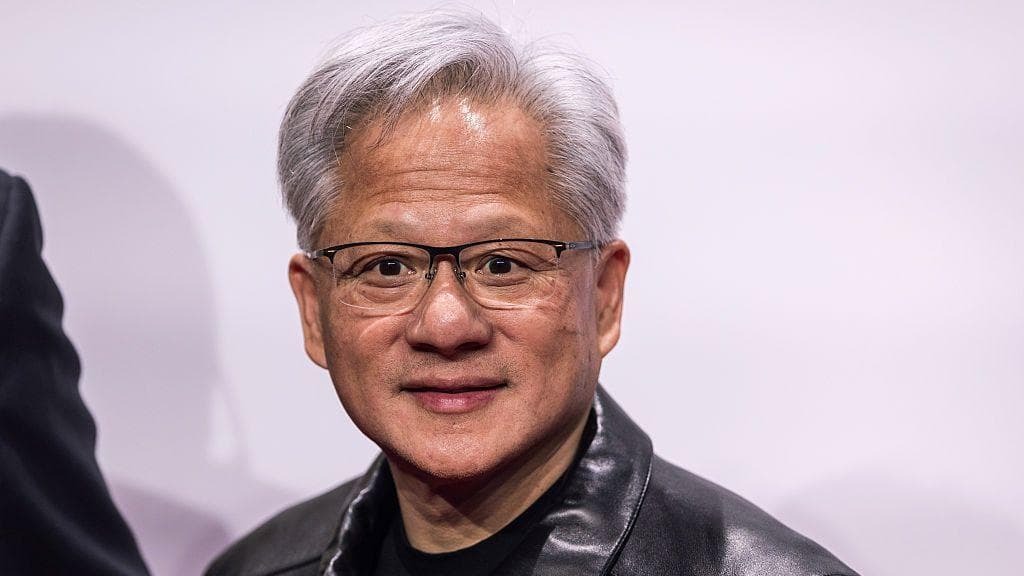
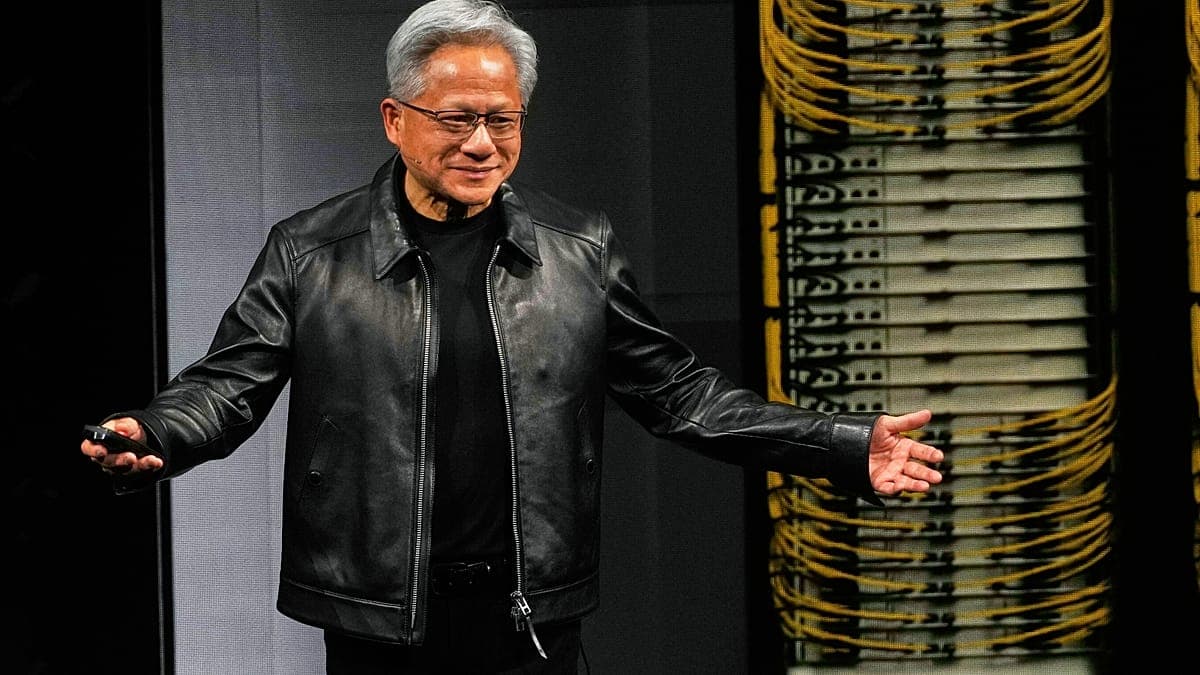
Nvidia shares fell more than 4% on Monday — the first trading day after the company's board of directors announced an investigation into CEO Jensen Huang over his ties to Alisa Huang, a top executive at the Singapore data-center company Megaspeed, whom US intelligence, according to the investigation, considered an agent of China. This is reported by TechCrunch. Shareholder rights lawyers reacted almost immediately: the Los Angeles firm Schall, Brown & Schwartz announced as early as Monday morningthat it was investigating whether Nvidia had made false or misleading statements or failed to disclose information material to investors — the corresponding announcement is posted on the firm's website. That same day, Rosen Law Firm, Levi & Korsinsky, Bronstein, Gewirtz & Grossman, and the Law Offices of Frank R. Cruz announced their own investigations; Rosen said it was preparing a class action lawsuit.
Why the legal theory of the lawsuit does not depend on the outcome of the investigation
Stanford law professor and securities specialist Robert Bartlett explained in an interview with TechCrunch that the lawsuit does not need to wait for the board's conclusions about Huang's personal life. The key element was the company's earlier public statement: when The New York Times first reported Huang's ties to Alisa Huang, an Nvidia representative described the relationship to The Hill as «nothing unusual or unexpected» and added that meetings with clients are part of a CEO's job, and that Megaspeed «is no different from many other regional cloud customers». Since then, Huang has admitted to the board that the relationship was intimate, and the Times reported that US intelligence had been watching Alisa Huang for more than a year. According to Bartlett, the company's earlier statement was «clearly misleading», and since Huang is the CEO, his knowledge is legally attributed to the company itself.
How the likely lawsuit is structured and what it means for the company
Bartlett expects the lawsuit to be filed under the classic «fraud on the market» scheme: investors claim they paid a price for the shares that reflected incomplete or false public information, and lost money when the truth came out. Monday's decline gives plaintiffs material for calculating damages, and since Nvidia is one of the most expensive companies in the world, a settlement could prove extremely costly. According to him, the typical scenario is a lengthy process followed by a settlement with a large payout from the company and its directors and officers insurers, but without personal consequences for the CEO or the board: this is a civil matter, and Huang faces no prison time. The irony, Bartlett notes, is that the lawsuit is filed on behalf of Nvidia's shareholders — and it is the shareholders who ultimately pay for the settlement, directly or through insurance premiums.
Three levels of risk for Nvidia
Bartlett divided the company's risks into categories. The first is a securities fraud lawsuit, the clearest immediate threat both to the company and potentially to Huang. The second is corporate governance questions: what the directors knew and when; the board has oversight duties, and after the first Times publications about the connection with Megaspeed, the company should have had channels for escalating such a critical risk to the directors. The third category, which «would change everything», would arise only if the board's investigation established that Huang knew about the intelligence connection. The board itself said in its Sunday public statement that it sees no reason to believe that national security or Nvidia's secrets were compromised. In theory, the SEC could seek officer-and-director bars for those guilty of intentional fraud, but Bartlett doubts that the current commission chaired by Paul Atkins would do so given Huang's support from President Trump; the two-year statute of limitations would leave room for a future administration, although the expert himself considers such a scenario unlikely.
What is important to understand about these announcements
It is worth emphasizing: an announcement like the statement from Schall, Brown & Schwartz is not by itself a sign of a strong lawsuit — the firm publishes many such 'investigations,' and such an announcement merely shows that lawyers see an opportunity. Which firm will lead the case is decided by the court later, and it usually depends on which investor suffered the largest loss. Bartlett also allowed that a lawsuit may already have been filed on Monday: according to him, newly filed cases can appear in online registries within 24 hours, and he named the Northern District of California, where Nvidia is incorporated in Santa Clara, as the likely venue for the proceedings.