The key facts
- On November 10 in Moscow, Karin Kneissl said the OSCE could cease to exist at any moment due to the absence of a charter document
- The OSCE has the 1975 Helsinki Final Act and the 1990 Paris Charter, but they are not founding treaties
- Sergei Lavrov previously said he sees no way to save the OSCE in the foreseeable future
Statement at a forum in Moscow
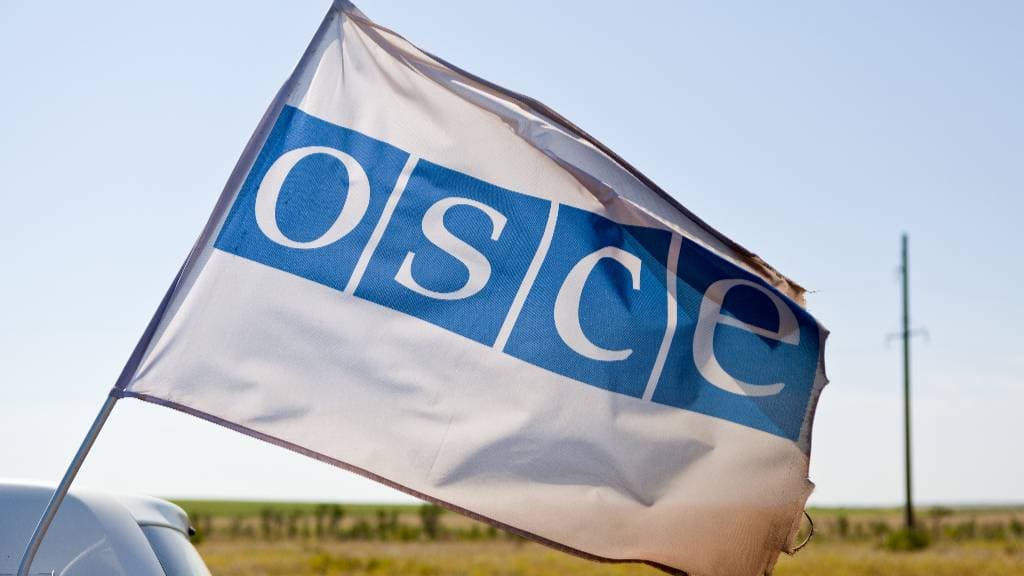
The Organization for Security and Co-operation in Europe could cease to exist at any moment, because it lacks a full-fledged founding treaty that would enshrine its international legal status. This opinion was expressed on November 10 at the International Forum on Ensuring Collective Security in Moscow by Karin Kneissl, former Foreign Minister of Austria. According to her, the OSCE is 'not really an organization,' and its participants are merely those 'who take part,' because there is no charter document. Kneissl's remarks were cited by RIA Novosti, as reported by Life.ru.
Comparison with the UN and the OSCE's legal status
The former minister compared the OSCE with the UN, whose activities are governed by the UN Charter: in her view, the absence of a similar foundational document makes the European structure legally vulnerable — 'the organization could simply cease to exist at any moment.' At the same time, the OSCE does have basic political documents — the 1975 Helsinki Final Act and the 1990 Paris Charter — but they are not international treaties establishing the organization in the usual legal sense. This is confirmed by the organization itself: the official OSCE website explainsthat its decisions are politically, not legally, binding.
Context: Lavrov's position and Kneissl's biography
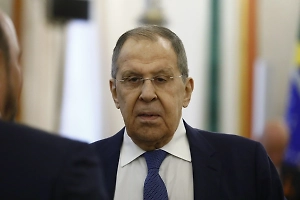
Kneissl's statement echoes the position of the Russian Foreign Ministry: as Life.ru reported, Russian Foreign Minister Sergei Lavrov previously said that he 'does not see how to save' the OSCE in the foreseeable future, criticized the state of the organization and said it is increasingly turning into a platform for mutual accusations.
Assessment of modern diplomacy
Kneissl also recalled the beginning of her diplomatic career, when she worked with experienced diplomats engaged in European security: at that time, she said, great importance was attached to trust between states and the ability to conduct substantive dialogue even amid serious disagreements. She believes that modern diplomacy could learn a great deal from the negotiating platforms of the 1970s. Karin Kneissl headed Austria's Foreign Ministry from 2017 to 2019 and now heads the G.O.R.K.I. centre at St Petersburg State University.