The key facts
- Reserves as of November 1 — $63.63 billion, down $2.96 billion for October; over two months the decline amounted to $8.51 billion (~11.8%)
- The physical volume of gold grew by ~7.5 tonnes to ~453.5 tonnes — a record since statistics began in 2013
- The currency portion of reserves fell by $921 million to $5.01 billion — the lowest since data publication began
Reserves have declined for the second month in a row
Uzbekistan's international reserves stood at $63.63 billion as of November 1, having decreased by $2.96 billion, or 4.5%, over October, according to data from the Central Bank. This is the second consecutive month of decline: in September, reserves fell by $5.55 billion — from $72.13 billion to $66.59 billion. Thus, over two months, the total reduction reached $8.51 billion, or almost 11.8%. According to Gazeta.uz's estimate, the current level is the lowest since December 2023, when reserves stood at $61.2 billion.
Gold prices — the main factor behind the drop
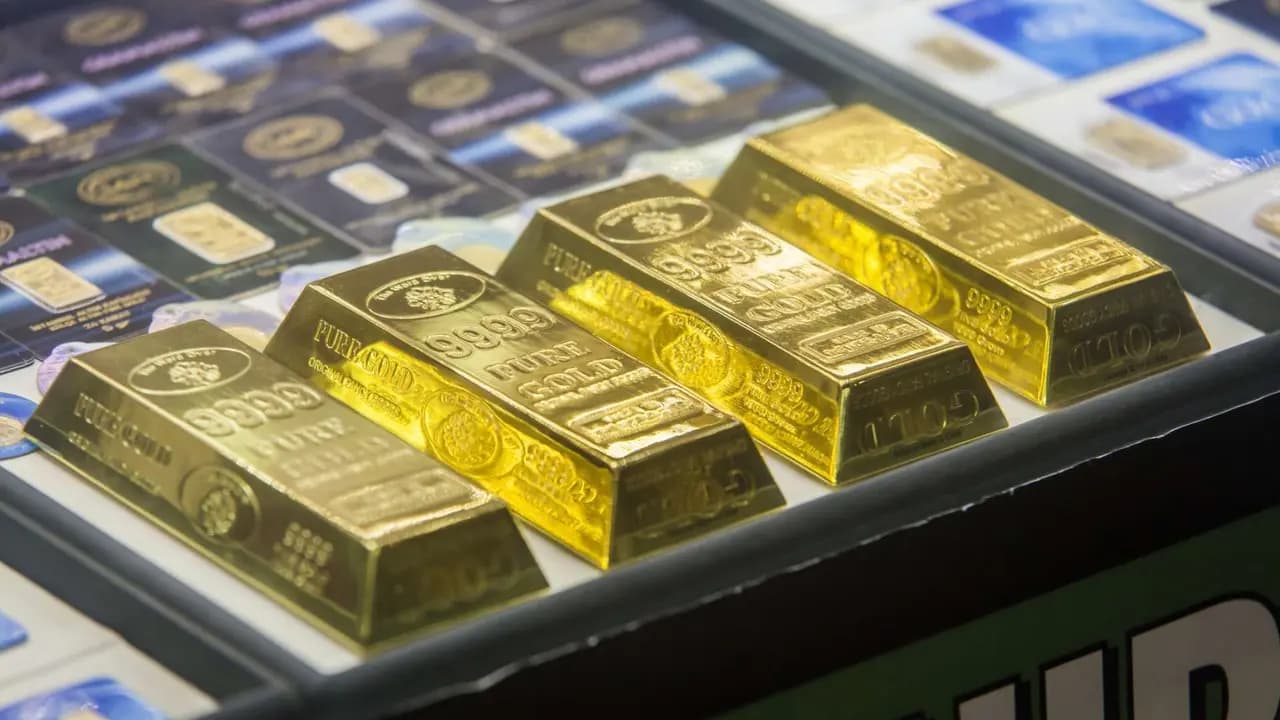
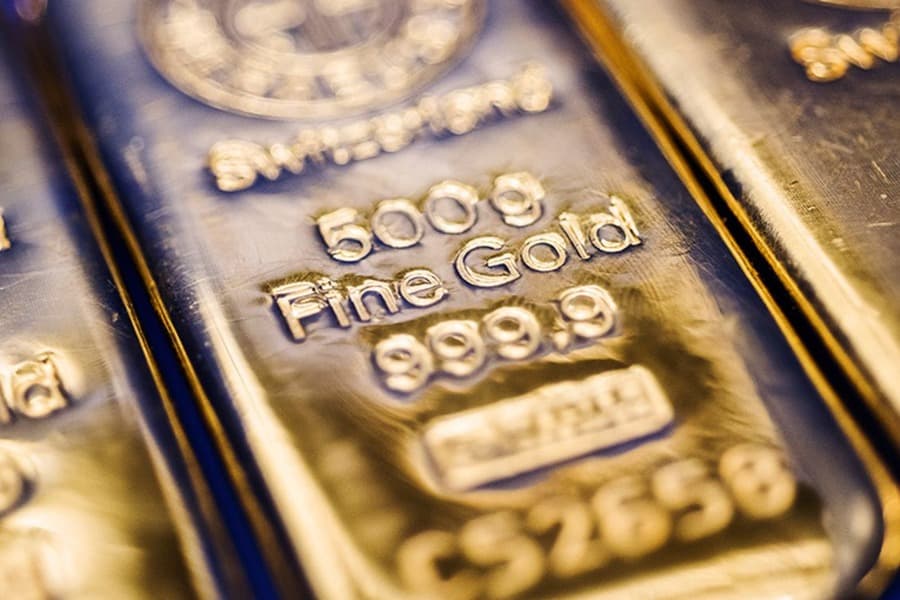
The main driver of the October decline was the fall in global gold prices. According to the Central Bank, the troy ounce fell in price from $4,188.75 to $3,981.10 — by $207.65, or almost 5%, and the overall effect of the price decline is estimated at about $3 billion. The value of gold in the Central Bank's vaults decreased by $2.04 billion — from $60.09 billion to $58.04 billion: the negative revaluation was partially offset by growth in the physical volume. The World Gold Council assesses the October drop as even more significant based on its own benchmark — by 6.3%, to $3,913 per ounce. Analysts link the decline to a revision of expectations regarding the US Federal Reserve's interest rate policy, a reduction in speculative positions, and a temporary capital flow from equities and precious metals into bonds; at the same time, gold ETFs received a net inflow of about $3 billion in October, equivalent to 19 tonnes of the metal.
Gold reserves — a record, currency portion — a minimum
Paradoxically, the physical volume of gold in reserves grew in October by 240 thousand troy ounces (about 7.5 tonnes) — from 14.34 million to 14.58 million ounces, or approximately 453.5 tonnes. This is an absolute record since statistics began being kept in 2013; the previous maximum was recorded on October 1 — about 446 tonnes. The growth has continued for the third month in a row: in September the stock increased by about 7.2 tonnes, in August by 8 tonnes. Against the backdrop of a sharper reduction in currency assets, gold's share in reserves rose from 90.2% to 91.2%. The currency portion, by contrast, dropped to $5.01 billion (down $921 million, or 15.5% over the month) — the lowest for the entire period of publishing such statistics since 2013. The securities portfolio shrank most noticeably: by $543.2 million, or 32.1%, to $1.15 billion, and by more than $617 million over two months. The Central Bank previously explained the high share of gold by a conservative approach to asset management and is gradually diversifying reserves to reduce dependence on fluctuations in precious metals prices.
Annual dynamics remain positive
Despite the two-month decline, reserves have decreased by only $2.69 billion since the beginning of the year — from $66.31 billion to $63.63 billion — and remain about $4.29 billion above the level of November 1, 2025. Separately, Spot.uz , citing data from the National Statistics Committee, notes that Uzbekistan did not restore gold exports in September: over nine months, supplies fell 3.5-fold, to $2.8 billion. International reserves serve as an instrument of the country's financial stability — they are used to meet external obligations, support the currency market when necessary, and finance critically important imports during periods of external shocks.