The key facts
- Electrical products worth 10 trillion soums are purchased annually through public procurement
- A life cost approach is being introduced: accounting for energy consumption, repair and maintenance, not just price
- From January 1, 2027 — publication of three-year public procurement plans; all tenders will be brought together on a single platform
What is changing in public procurement
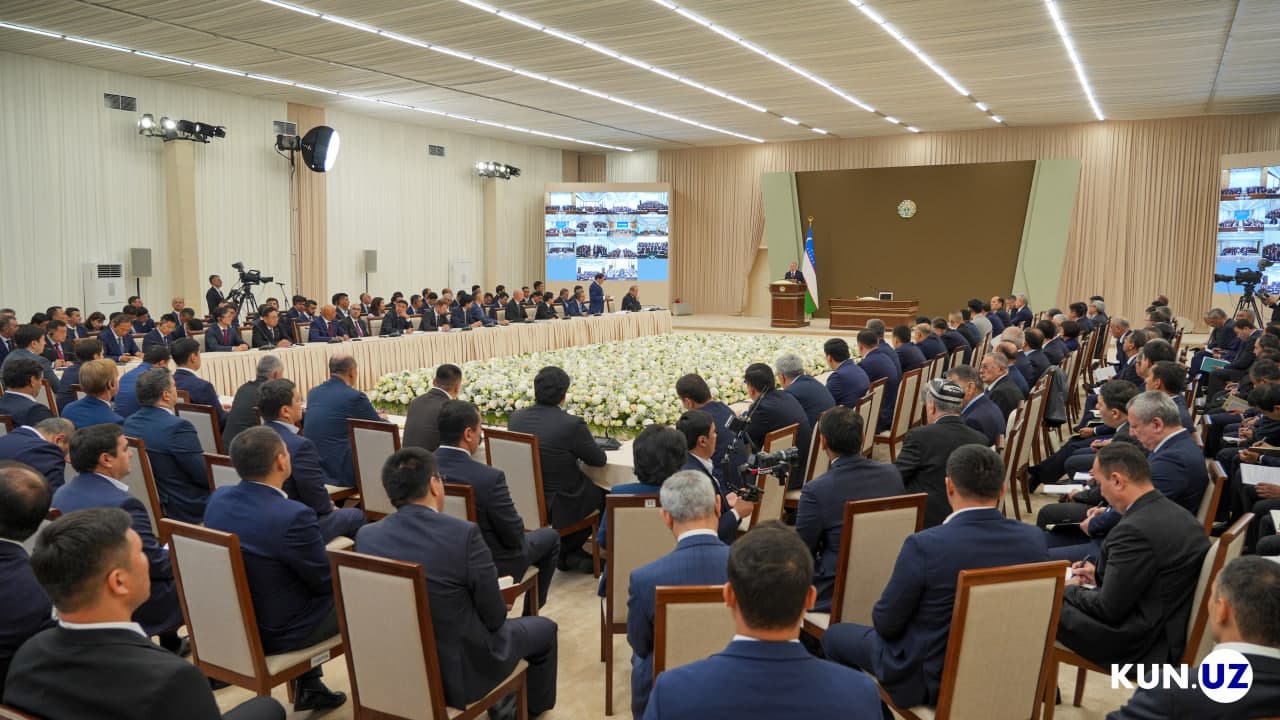
On November 9, President Shavkat Mirziyoyev held a meeting with representatives of the electrical engineering industry, entrepreneurs and investors, at which he announced a revision of the practice of selecting bids in public procurement solely on the basis of the lowest price. This was reported by Kun.uz and Spot.uz. Instead, a 'life cost' approach will be introduced — assessing costs over the entire service life of a product: alongside the purchase price, customers will take into account energy consumption, repair, service and maintenance expenses.
Why cheap imports turned out to be more expensive
The rationale was illustrated by an example of a test purchase of two 40 kW transformers: the imported one cost 400,000 soums less than the local equivalent, but its electricity consumption was 10% higher, and repair costs over its service life were four times greater. Both Kun.uz and Spot.uz cite these figures in their publications, referring to the meeting with the president.
A unified platform and three-year plans
Every year, electrical products worth 10 trillion soums are purchased through public procurement. Previously, suppliers had to track orders from state enterprises on four or five separate platforms; now all tenders and announcements have been brought together on a single platform. Starting January 1, 2027, three-year public procurement plans will be published in advance — the idea being that this will allow businesses to assess demand in advance, expand production, purchase equipment and attract investors.
Context and what remains unclear
Spot.uz also recalls related support measures for the industry: the outlet previously reported plans for preferential loans at 18% per annum for the purchase of domestically produced household appliances, as well as the extension of tax and customs benefits for electrical manufacturers until 2030. Kun.uz additionally notes that five companies in the industry ('Artikul Aziya' and 'Maxsopper' in Tashkent, 'Texno Cable Group' and 'Vades Group' in Tashkent Region, and 'Andijon kabel' in Andijan) attracted a total of $80 million from the European Bank for Reconstruction and Development. The publications do not report the timeline or procedure for implementing the life cost approach — only the decision itself has been announced.