The key facts
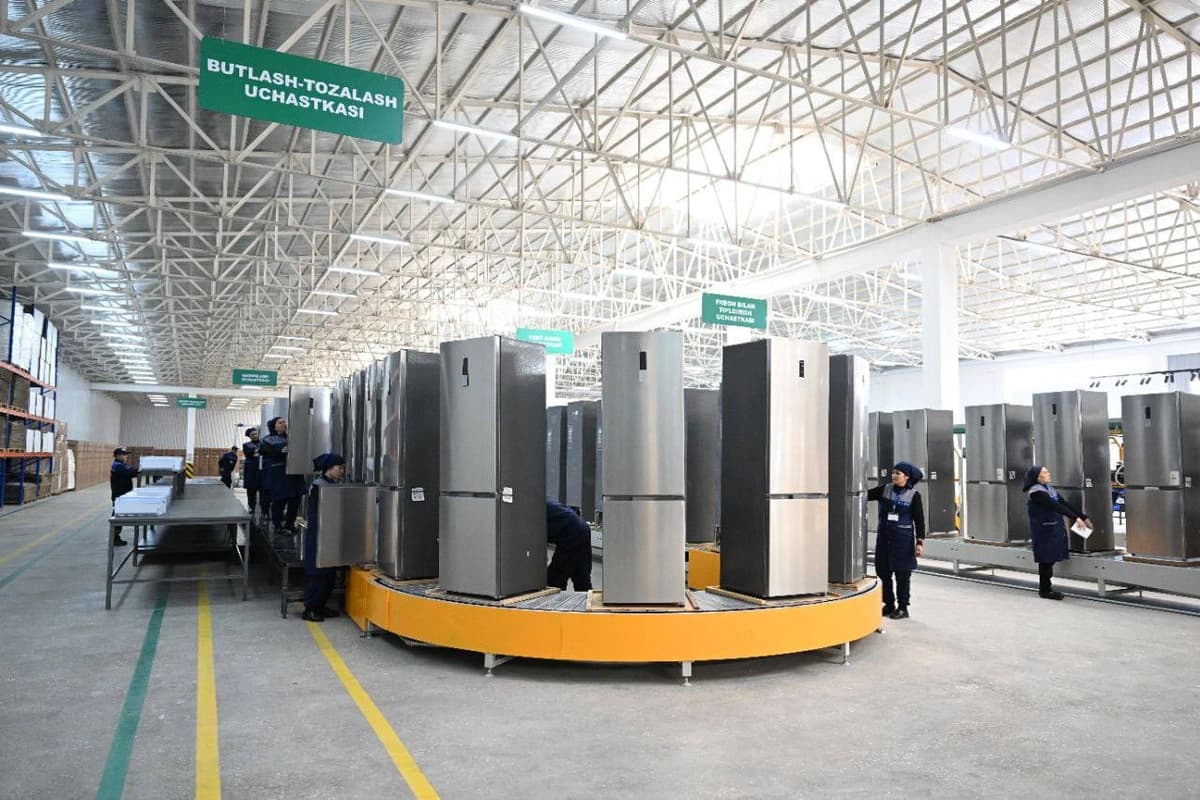
- 164 investment projects worth $11.6 billion are planned over three years across six areas — from microelectronics to household appliances.
- Exports of electrical engineering products are planned to be raised from $1.6 billion to $5 billion.
- Production of ATMs is to be studied: 9,000 units worth more than $50 million were imported in 2025.
Meeting on the electrical engineering industry
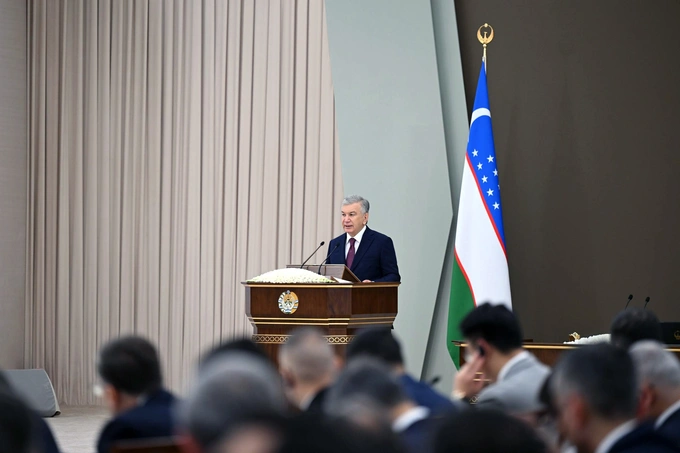
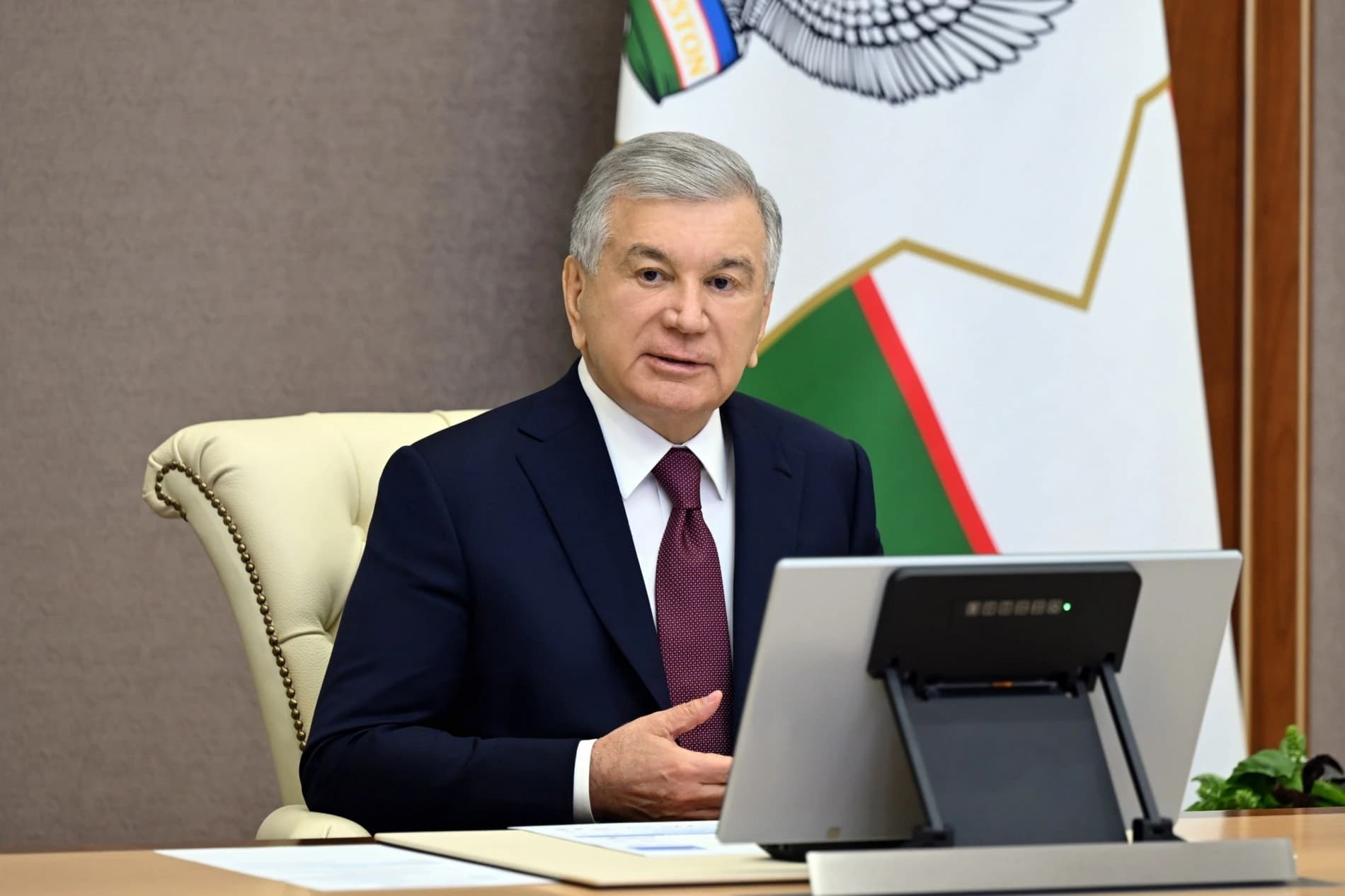
On November 9, President of Uzbekistan Shavkat Mirziyoyev held a meeting with representatives of the electrical engineering industry, local entrepreneurs and foreign investors. As presidential spokesman Sherzod Asadov reported, over the next three years 164 investment projects worth a total of $11.6 billion are planned to be implemented in electrical engineering and related areas. This is reported by «Gazeta.uz» in its Russian and Uzbek versions of the material.
Distribution of projects by area
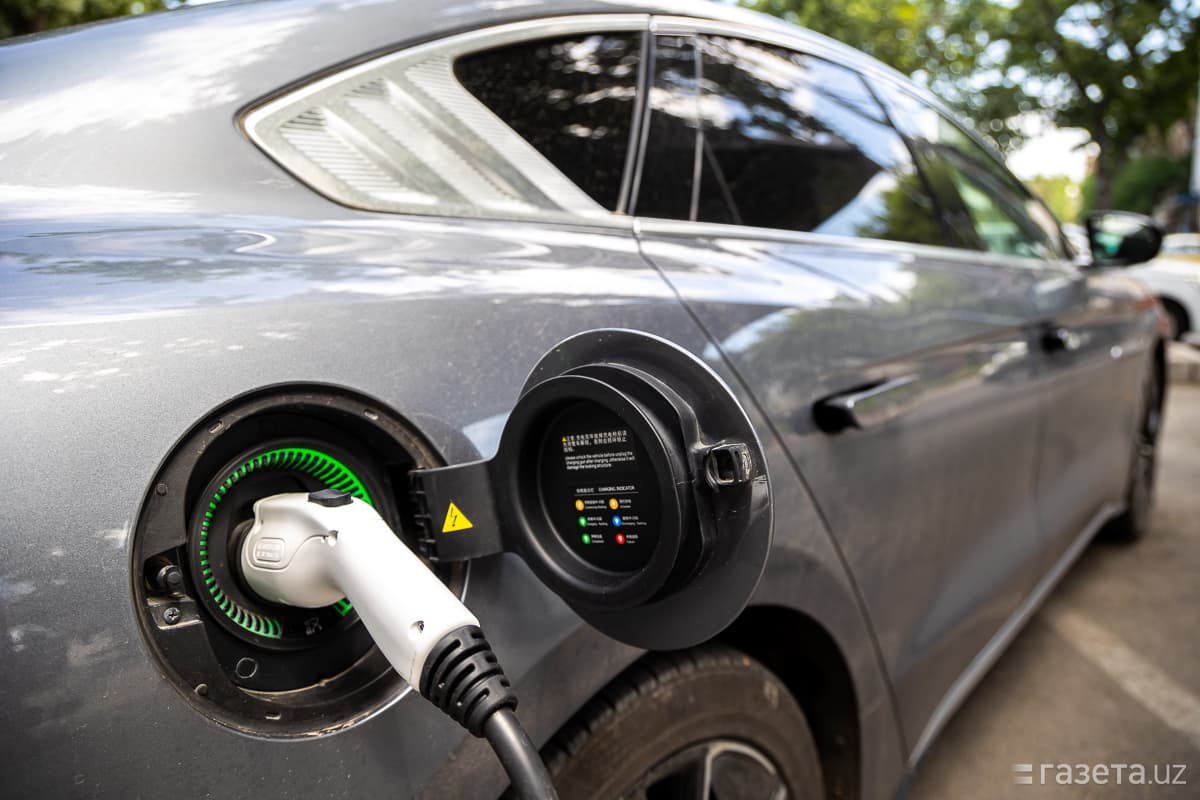
The projects are distributed across six areas: electronic components and microelectronics — 21 projects worth $3.5 billion; industrial robotics and equipment — 45 projects worth $3 billion; cable industry — 41 projects worth $2.5 billion; transformers and pumps — 29 projects worth $1.4 billion; electrical equipment for transport and electric vehicles — 9 projects worth $650 million; household appliances — 19 projects worth $600 million. Responsible executives and lead customers will be assigned to each area, tasked with attracting investors and establishing cooperation with research centers and technical universities.
Regional specialization and new production facilities
The President emphasized that the industry needs a technological breakthrough, not merely an expansion of existing capacity. Regional specializations have been defined: Tashkent region — thin copper foil for batteries and electronics; Jizzakh region — inverters and chargers for electric vehicles; Namangan region — energy-efficient electric motors for pumps; Karakalpakstan — uninterruptible power supply and server cooling systems; Andijan region — office equipment and cable kits; Tashkent — servers, interactive panels and touch sensors; Kashkadarya region — electronic boards for televisions. By 2030, energy storage system capacity is planned to be increased to 4.5 GW.
Surveillance cameras and ATMs
Surveillance cameras and ATMs were separate topics. According to data presented at the meeting, the annual domestic market demand for cameras reaches $200 million, and together with neighboring countries exceeds $600 million. Currently, Digital Security in Bukhara and Samvision in Samarkand produce about 2,000 cameras a year using their own software. In 2025, 9,000 ATMs worth more than $50 million were imported into the country; responsible officials have been tasked with assessing demand and attracting technology and investors for local production.
Export targets and current figures
Exports of electrical engineering products are planned to be raised to $5 billion through high value-added goods — currently they stand at $1.6 billion, having grown 14-fold over ten years. Output in 2026 reached 50 trillion soums, compared with 1.7 trillion in 2016. Over the decade, about $2 billion in investments has been attracted to the industry, 413 new production facilities launched, and more than 100 new types of products mastered. At the same time, the President noted that the results do not yet match the industry's potential.
Copper and demand from large projects
An increase in copper production was cited as a growth factor: after the launch of a third copper processing plant in 2026, output is planned to be raised to 300,000 tonnes, and by 2030 — to 500,000 tonnes. In addition, over the next ten years Uzbekistan intends to implement, together with foreign partners, projects worth $450 billion across various industries, which, as noted at the meeting, will create additional demand for electrical engineering products. It is also recalled that requirements to use local products are planned to be extended to investment projects worth more than $10 million, which receive benefits: currently, in energy PPP projects the share of local products must be at least 25%, and in the cable industry — 70%.