The key facts
- The US Treasury proposed that Iraq close all crossings with Iran except two — one in Iraqi Kurdistan, the other not yet determined.
- Baghdad has not made a final decision and continues negotiations with Washington.
- Hussein estimated Iraq's losses from being unable to export oil through the Strait of Hormuz for about four months at $60 billion.
US demands and Baghdad's position
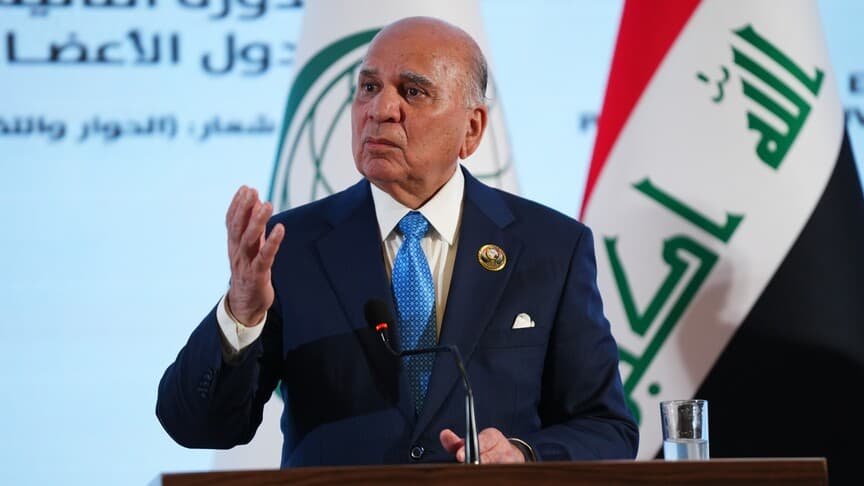
The US Treasury has officially demanded that Iraq close all border crossings with Iran except two, as part of its policy of economic pressure on Tehran. Iraq's Foreign Minister Fuad Hussein revealed this in an interview with Al Jazeera broadcast on Sunday. According to him, Washington proposes keeping one crossing open in Iraq's Kurdistan and one more in the rest of the country; which exact crossings these will be has not yet been determined.
Economic risks for Iraq
Baghdad is in no hurry to comply with the demand. “Closing the border crossings may be a punishment for Iran, but it will also harm Iraq,” Hussein said, noting that trade and movement will stop, which will affect the Iraqi economy. Negotiations with the American side continue, and it is unclear whether the restrictions will apply to visitors, commercial transport, or all border crossings. Iraq shares its longest border with Iran — official and unofficial crossings stretch from Kurdistan in the north to Basra in the south, so closing most of the crossings will affect established trade routes and may complicate the supply of the Iraqi market.
War losses and other statements by the minister
The consequences of the standoff over Iran are already hurting Iraq: Hussein estimated the country's losses from being unable to export oil through the Strait of Hormuz for roughly four months at the start of the war at $60 billion. Before the disruptions, Iraq exported 3.3–3.4 million barrels per day. According to Life.ru, Baghdad managed to reach an agreement with Washington and Tehran to resume oil supplies via a route near Oman, and in October the Iraqi authorities closed the Al-Shib crossing on the border with Iran, officially citing infrastructure modernization and the fight against smuggling — they denied any connection to US pressure.
Military situation and domestic issues
Hussein also warned that military operations in the region could resume and stated that Baghdad opposes the use of Iraqi territory for attacks on neighboring countries. According to him, Iraq and Iran are jointly investigating the attack on Saudi Arabia, which, according to information received in Baghdad, was launched from Iraqi territory near the Iranian border. As for armed groups within the country, the prime minister has reached agreements with four groups to place their weapons under state control, while negotiations with two others continue. Separately, CENTCOM announced on Saturday the creation of a new task force to counter Iran's overland weapons transfers.