The key facts
- Trump: a return to war is 'highly unlikely' if Iran signs a 'very strong agreement'
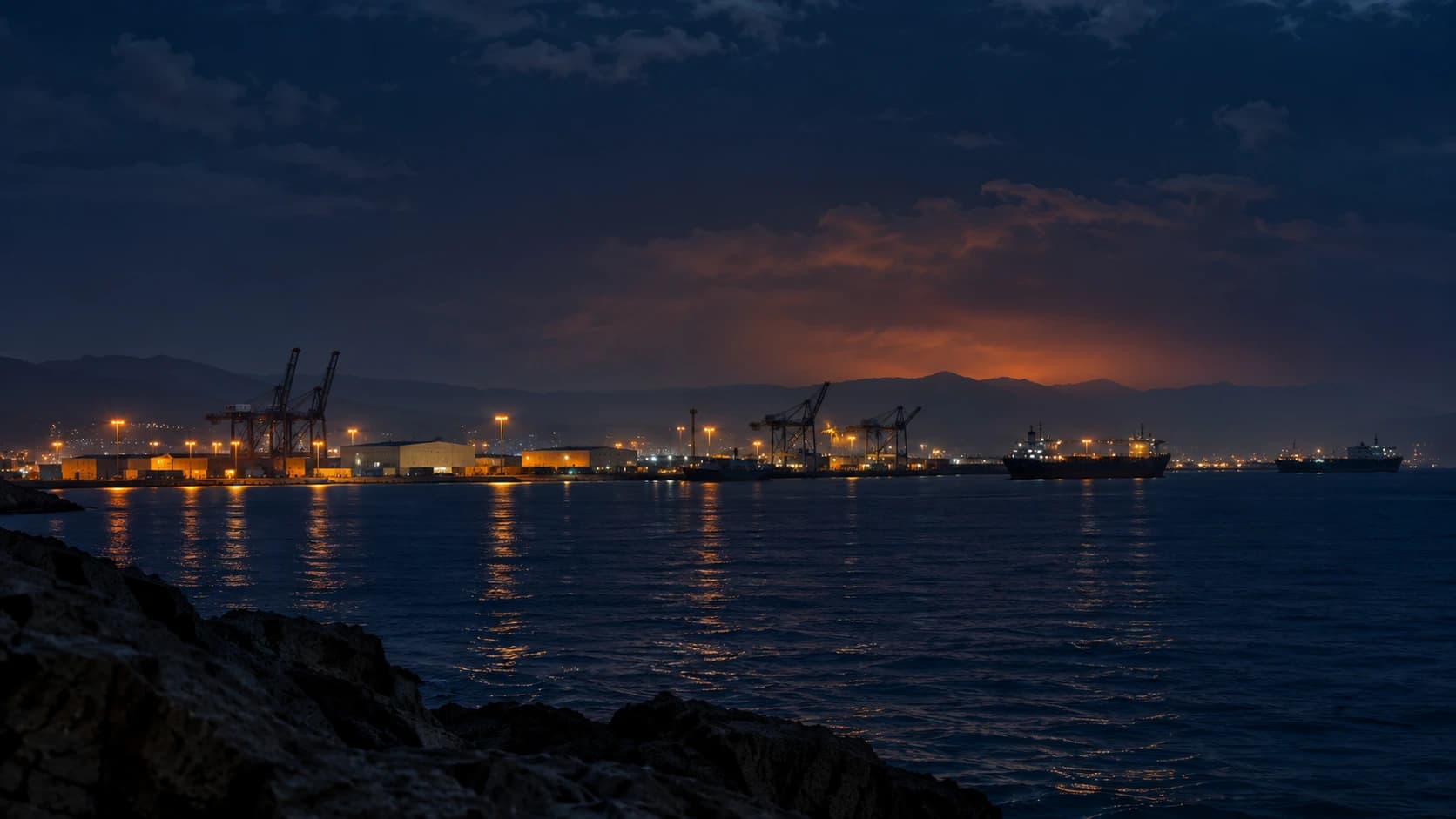
- The subject of the talks is Iran's nuclear program and passage through the Strait of Hormuz
- Trump said three aircraft carriers are 'at full combat readiness' and that 38 bridges could be destroyed 'within an hour'
Trump's condition: a deal instead of war
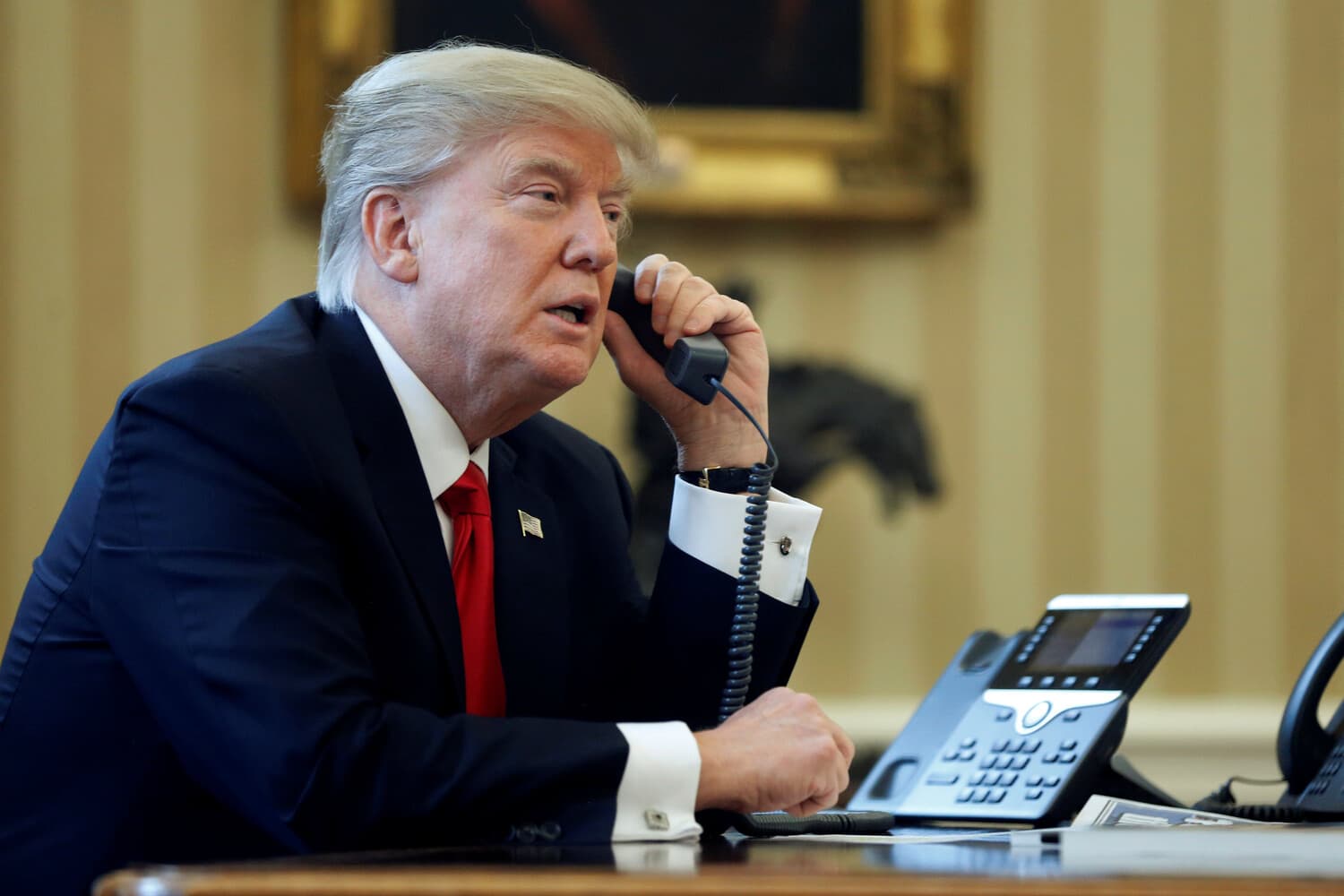
US President Donald Trump said in an interview with CNN, that a return to direct military conflict with Iran is 'highly unlikely' if the talks lead to an agreement on Iran's nuclear program and access to shipping through the Strait of Hormuz. 'The answer is highly unlikely that it will be necessary', he said, adding that he would strike if he deemed it 'necessary.' According to him, everything depends on whether Tehran signs a 'very strong agreement.'
Military readiness and escalation scenarios
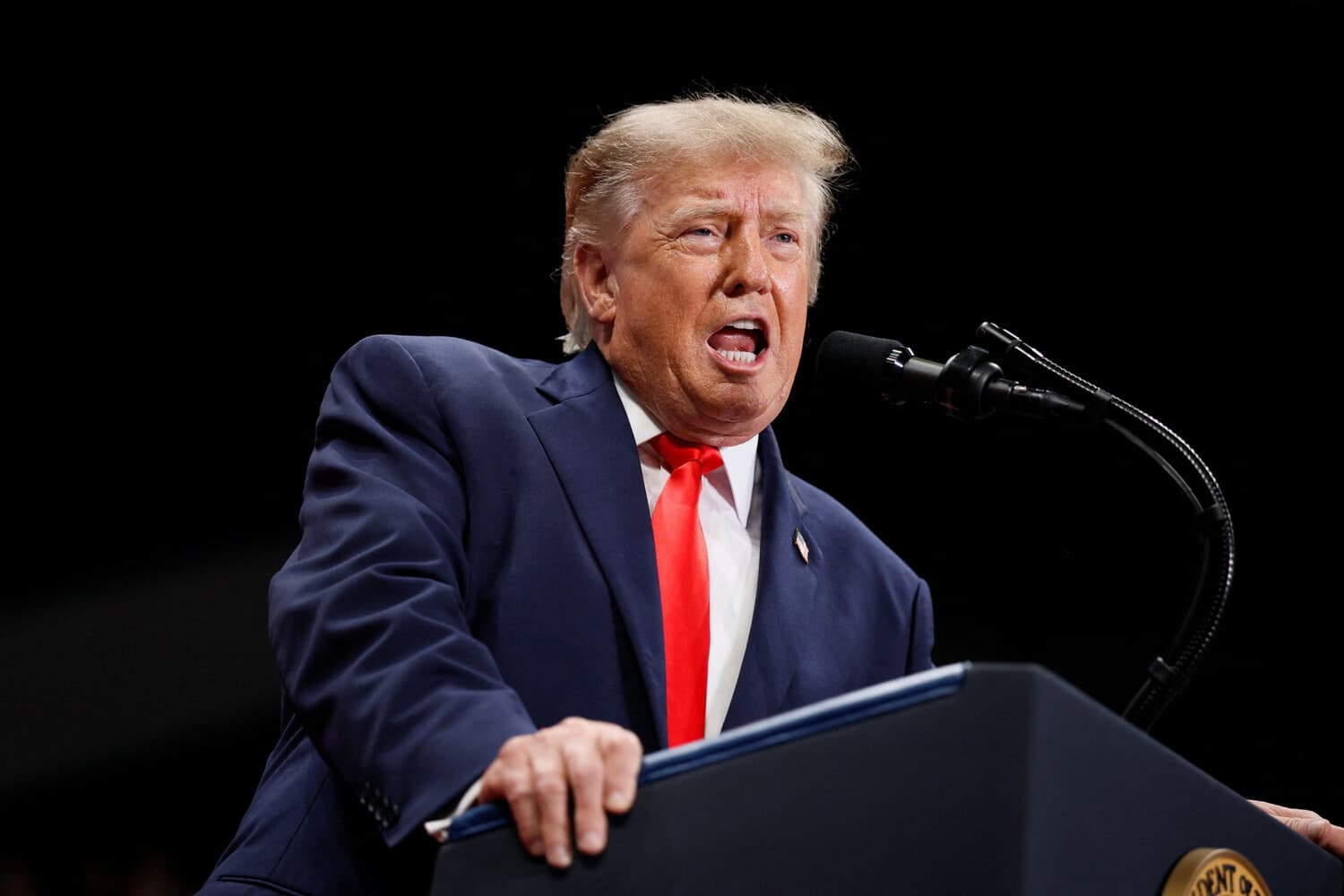
At the same time, Trump emphasized that the American military has already inflicted serious damage on Iran and is capable of resuming strikes and 'finishing it off.' 'We are ready. I have three aircraft carriers here. The fourth just arrived. We have three of them. They are at full combat readiness,' he said. Among potential escalation scenarios, he named 38 Iranian bridges which, according to him, could be destroyed 'literally within one hour,' but he expressed reluctance to strike civilian logistics infrastructure, since rebuilding it would take a decade. Life.ru also cites a harsher formulation: 'If necessary, we will hit them really hard. You don't even know how hard I will hit them.'
Context of the talks
The statement came against the backdrop of ongoing contacts with Tehran. As Life.ru previously reported, Trump spoke positively about the talks with Iran, but did not disclose their content; this happened amid reports of possible new strikes on November 9. According to Fox News, which the outlet cites, the White House discussed the possibility of resuming the military operation, although no final order to launch it had been given. Thus, the current statement fixes Washington's position: the military option remains on the table, but its implementation is tied to the outcome of the talks on two specific points — the nuclear program and the Strait of Hormuz.