The key facts
- On November 5, Trump urged Netanyahu to advance the Gaza plan; Rubio, Kushner and Witkoff took part in the call
- Implementation of the plan had been frozen for months due to Israel's October 27 election
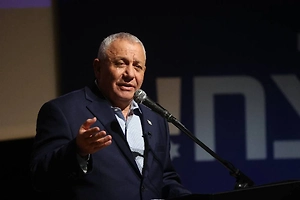
- The mandate to form a government went to the opposition figure Gadi Eisenkot, not Netanyahu
A call after the election
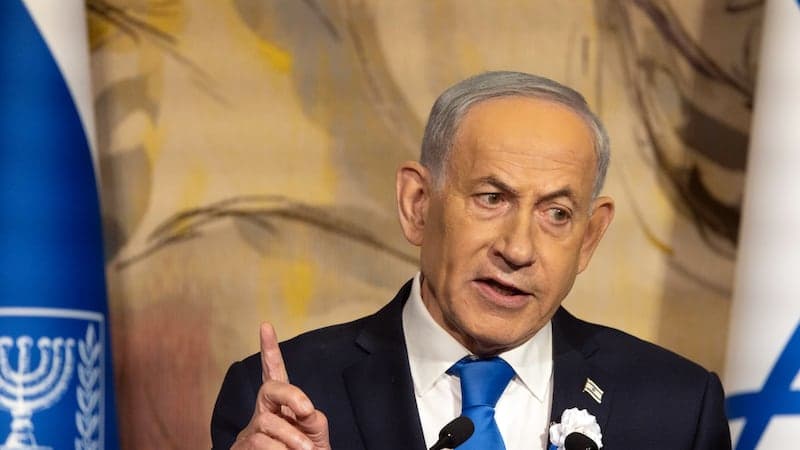
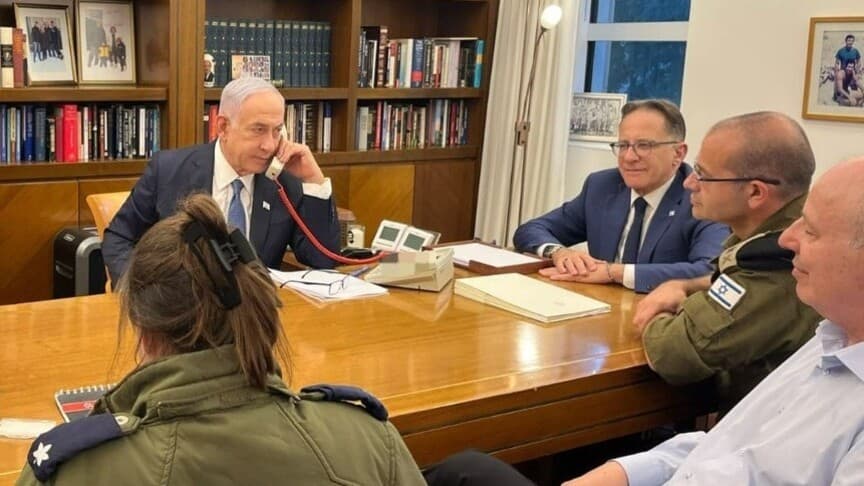
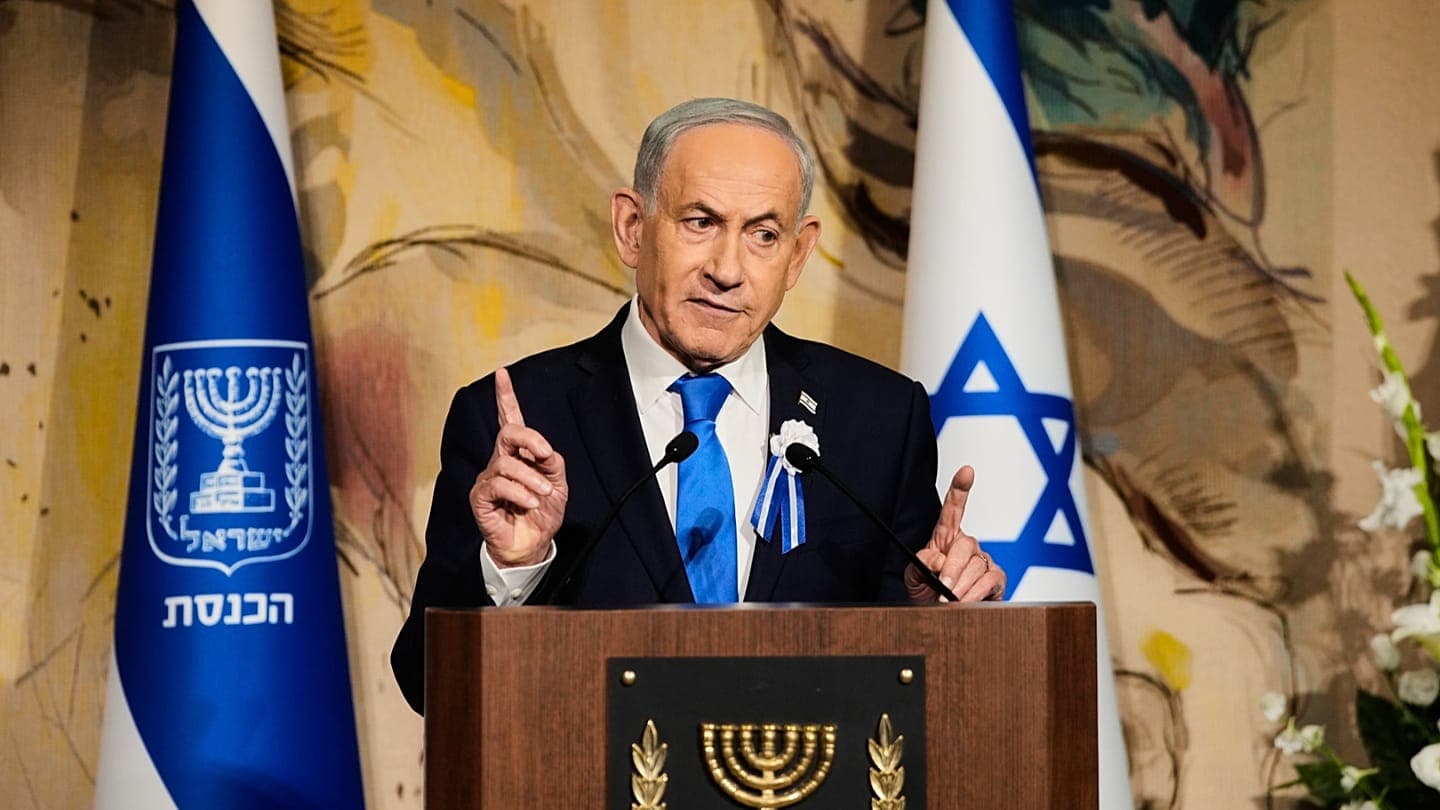
US President Donald Trump, in a phone call on November 5, urged Israeli Prime Minister Benjamin Netanyahu to take steps toward implementing the American peace plan for the Gaza Strip. This was reported by Axios, citing two informed sources; Israeli Channel 12 reported on the call on Sunday, as Anadolu notes. Besides Trump and Netanyahu, the conversation involved Secretary of State Marco Rubio, Jared Kushner and special envoy Steve Witkoff. The parties also discussed the conflict with Iran; Axios's sources described the talks as constructive.
Why the plan stalled and what is changing
Implementation of the plan was in effect frozen for several months because of Israel's parliamentary elections, held on October 27: Washington did not want to turn the issue into a campaign topic. Now, according to Axios, the White House intends to push the plan forward regardless of who leads the new government. A senior American official said the administration expects Israel to approve steps that were postponed for domestic political reasons: 'We want to move forward together, and we need full cooperation and full partnership from the Israeli government.' He emphasized that Gaza's reconstruction will not begin without progress on disarming Hamas, and that the process will be gradual and verifiable.
The plan's content and the Board of Peace's work
The key conditions of the American initiative are the disarmament of Hamas, the demilitarization of the Gaza Strip, and the transfer of governance to a new Palestinian administration of technocrats. Anadolu specifies that the second phase of the plan, announced in 2025, also provides for the deployment of international stabilization forces, a phased withdrawal of Israeli troops, and reconstruction of the territory; the first phase included a ceasefire and an exchange of hostages and prisoners. According to Axios, the Board of Peace created by Trump has spent the past three months coordinating the details of the settlement with the Israeli government and military, seeking to resolve disagreements over demilitarization: Netanyahu himself doubts that Hamas will truly give up its weapons. The day after the call, on November 6, former British Prime Minister Tony Blair, a member of the Board of Peace, visited Israel: he met with Netanyahu and his political rival Gadi Eisenkot, urging Israeli politicians to give the American initiative a chance.
The political context in Israel
Washington's call came amid uncertainty over the formation of the Israeli government. As Gazeta.Ru noted, in the election the ruling coalition led by Likud retained its lead, winning 53 of the 120 Knesset seats — that is, it failed to secure a majority. On November 8, Israeli President Isaac Herzog granted the mandate to form a cabinet to Gadi Eisenkot, leader of the opposition Yesh Atid party — and it was with him, not Netanyahu, that Blair also met. Who will ultimately become prime minister remains unknown as of publication; judging by the sources' reports, the American side expects to continue implementing the plan regardless of the outcome.