The key facts
- The current mandate is expected to be lowered: 80% of new cars in the UK must be electric by 2030
- Prime Minister Andy Burnham has recused himself due to his wife's links to an electric vehicle company; key meetings are being led by Louise Haigh
- No decision has officially been announced: Downing Street calls the reports speculation
What is expected this week
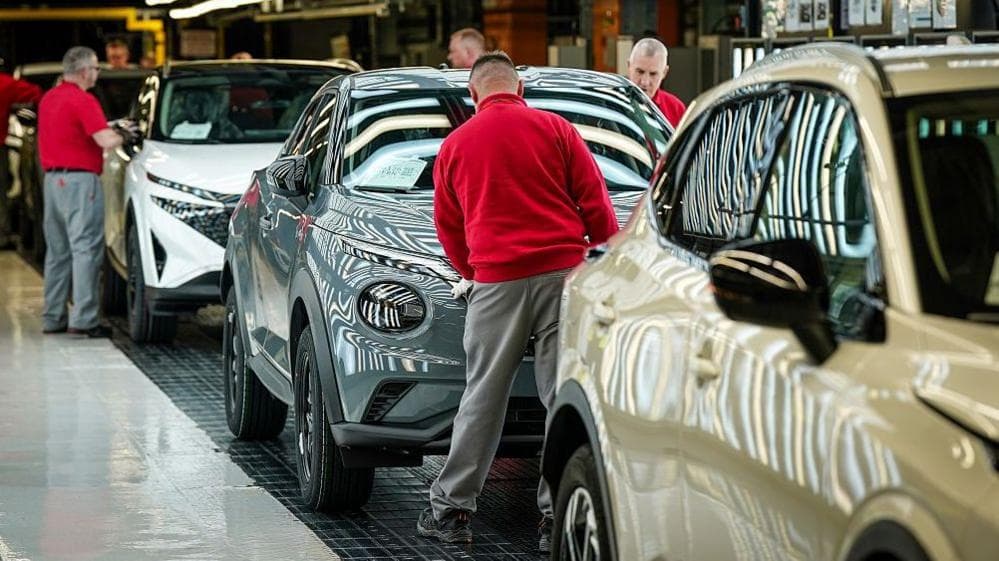
The UK government is, as expected, set to significantly lower its electric vehicle targets this week. Under the current rules, known as the ZEV mandate, the share of electric vehicles among new car sales rises each year — 28% in 2025, 33% in 2026 — and reaches 80% by 2030. The ban on sales of new petrol and diesel cars is scheduled for 2030, and by 2035 all new cars must be zero-emission. Industry bodies have long demanded 'urgent relief' from these rules, and the government has held a consultation on lowering the 80% rule.
The government's position and the prime minister's recusal
Downing Street stresses that no final decision has yet been made: Prime Minister Andy Burnham called reports of a lowering of the targets 'speculation' and said that 'at this point no decision has been taken.' A government source told the BBC that the issue would be handled 'pragmatically and in a balanced way.' Burnham has recused himself from the matter due to his wife's links to a company that manufactures electric vehicles; key meetings are being led in his place by Cabinet minister Louise Haigh. A government spokesperson confirmed commitment to ending the sale of new petrol- and diesel-only cars by 2030, to 100% zero emissions for new cars and vans by 2035, and to legally binding net zero targets.
Who is for and who is against
The Society of Motor Manufacturers and Traders (SMMT) welcomed the review of the targets announced in the summer. Its chief executive, Mike Hawes, said last week that the transition to electric vehicles had proved 'costly' — billions have been spent on discounts to stimulate demand — and that the government's targets were unachievable 'without risking any future investment.' Environmental organisations are opposed, warning that weakening the 2030 target would jeopardise the country's long-term electrification and climate goals, as is the industry body Energy UK, which previously said that lowering the targets could undermine the 'investment certainty' needed for infrastructure and services for the transition to zero emissions. Green Party leader Zak Polanski accused the government of a 'shocking retreat on climate issues,' while Conservative leader Kemi Badenoch called the petrol car ban 'legislation with good intentions but ultimately destructive' and promised to scrap it if she wins the next election.
Context and possible consequences
The policy of phasing out petrol and diesel cars has changed repeatedly since it was introduced by Boris Johnson in 2020: Rishi Sunak pushed the deadline back to 2035, and Burnham's government launched a review of the electric vehicle sales targets in August. In the European Union, under pressure from countries with large car industries, above all Germany, a similar plan to ban sales from 2035 was scrapped. A deeper softening of the UK rules could be interpreted — alongside the approval of the Rosebank gas field in the North Sea — as prioritising economic considerations over environmental ones, which is particularly sensitive on the eve of the UN climate summit COP31 in Turkey. Health Secretary Karin Smyth responded by reaffirming commitment to the emissions targets and said the prime minister would have 'a good story' to tell other leaders at COP31.
 Image source, Getty Images
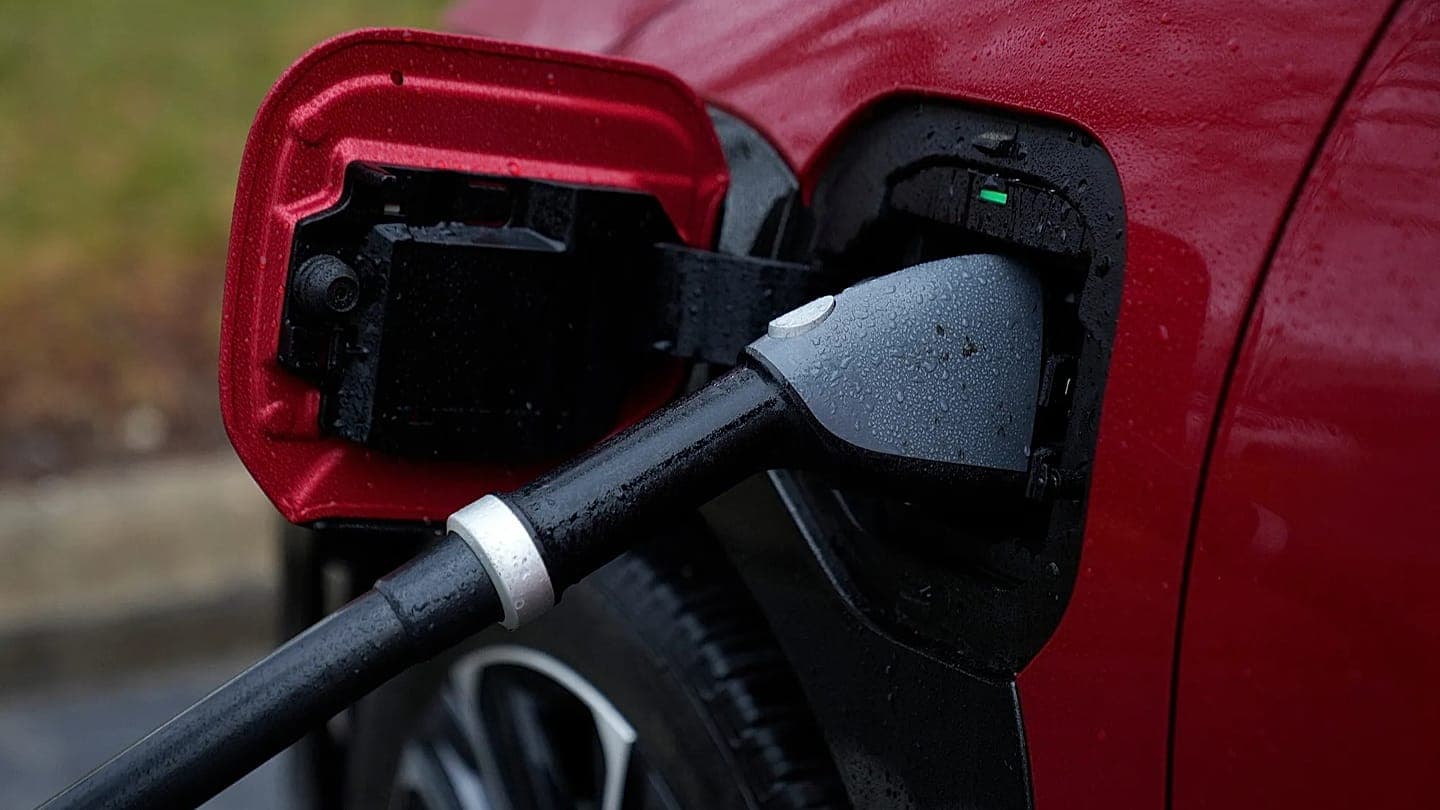
The government launched a review into its policy to ban new petrol and diesel car sales by 2035