The key facts
- Portugal plans to subsidize the purchase of more than 20,000 electric vehicles — up to 80% of the cost, up to a maximum of 15,000 euros
- The measure will cover about 5,500 vulnerable families and 9,000 microenterprises; for companies the subsidy may reach 100%
- The final decision requires European Commission approval; a Nova SBE expert warns of risks to the program's effectiveness
What the Portuguese government announced
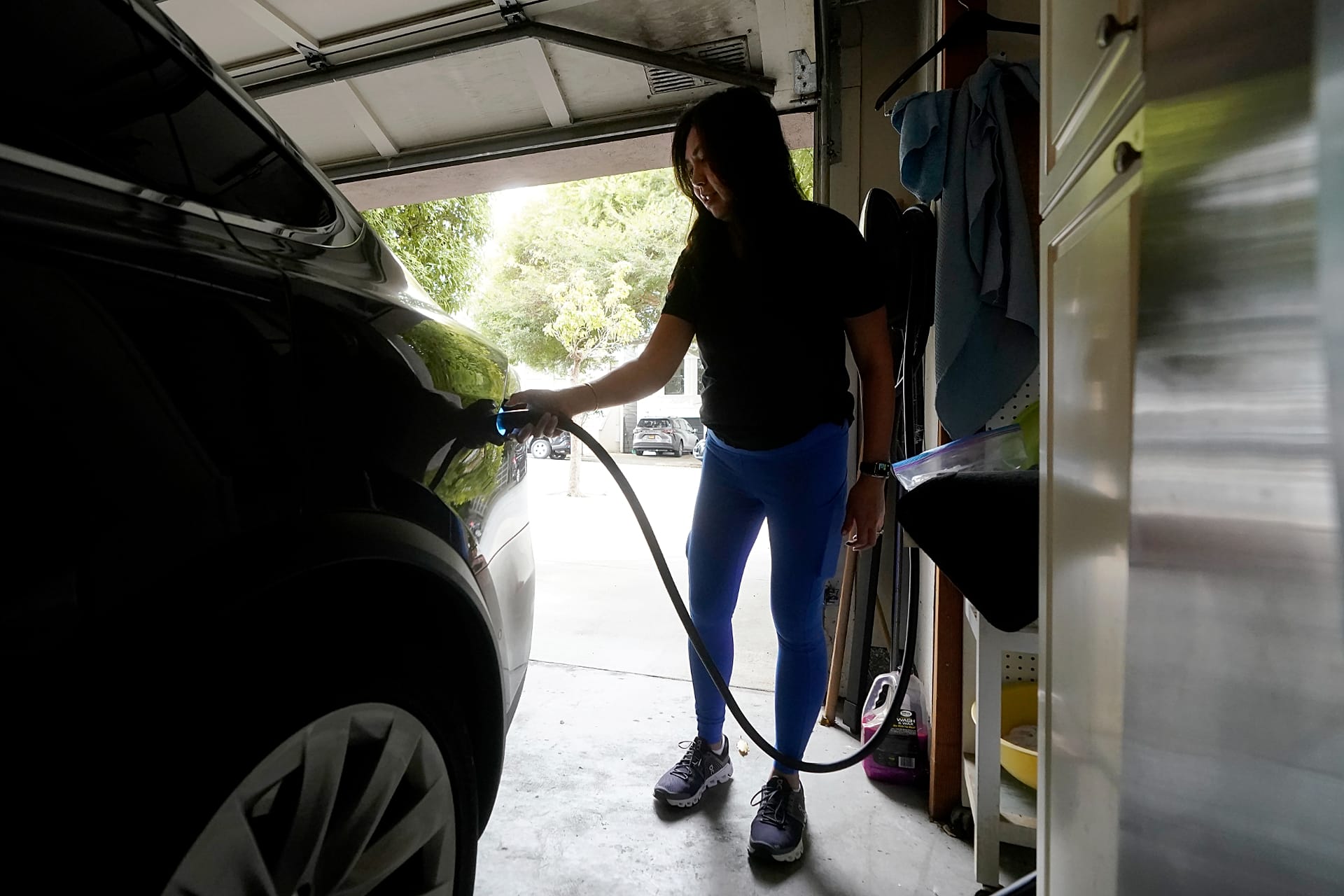
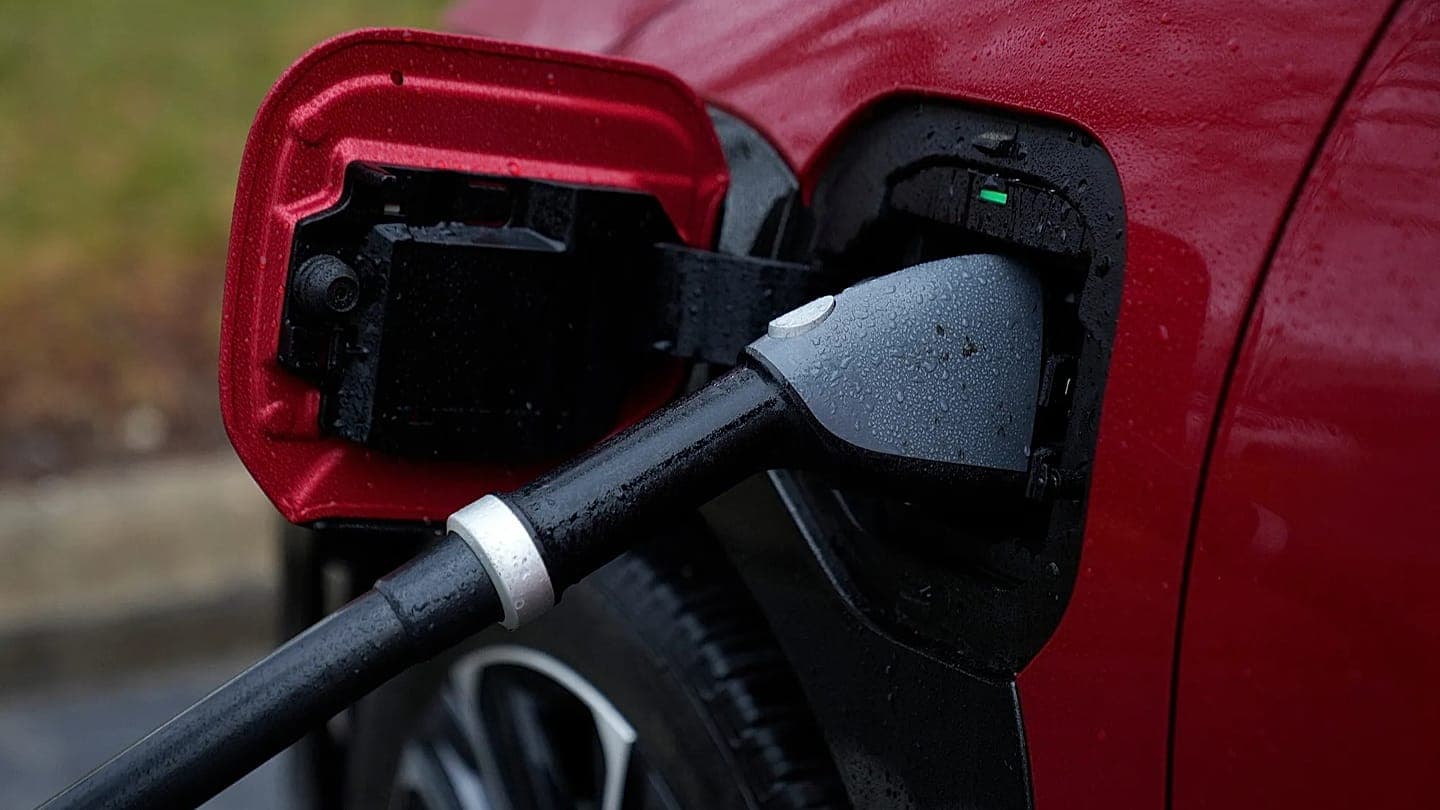
In early November, during the discussion of the draft state budget for 2027, Portugal's Environment Minister Maria da Graça Carvalho announced that the government intends to support the purchase of more than 20,000 electric vehicles, subsidizing up to 80% of the car's cost, but no more than 15,000 euros. The measure is included in the Social Climate Plan and is aimed at 'combating energy poverty and promoting more affordable and sustainable mobility.' Details have not yet been fully disclosed: final approval from the European Commission is required, and negotiations in Brussels are ongoing.
Who is eligible and how much
In the first phase, the plan provides for about 104.5 million euros to subsidize roughly 5,500 cars for the lowest-income families; this target may grow by about another thousand cars as a result of negotiations. In total, the measure could reach 1.5 million households. Priority will be given to recipients of the social electricity tariff — about 750,000 families; support also extends to households with income below 80% of the median national income, that is, up to 11,572 euros per year. The subsidy amount has not been finally determined and may range from 70% to 90%, but the ministry is targeting 80%. An additional 1,000 euros can be received for handing over an old car for scrapping, and payments for charging devices are also provided. For vulnerable families, VAT will be covered from a different funding source, the minister said in an interview with Rádio Observador: a family will be able to sell its old car for 2,000–3,000 euros and exchange it for an electric vehicle without any out-of-pocket contribution. Cars costing up to 37,500 euros can be purchased, new or used no older than five years, only from a dealer; payment will go through vouchers modeled on the E-Lar program, and the purchased car cannot be sold earlier than three years later.
Microenterprises and public transport
The government will also support about 9,000 microenterprises — with turnover of up to two million euros and fewer than 10 employees — with 228 million euros for the purchase of 13,700 electric vehicles. Companies will be able to apply for one or two cars; the subsidy may cover up to 100% of the cost excluding VAT, but they will have to scrap one car for each one purchased and prove that fuel expenses account for at least 5% of their costs. In addition, co-financing of 125.5 million euros is planned for the purchase of 700 electric buses for low-density areas, including charging infrastructure and bus stop shelters.
Experts' doubts
António Alvarenga, a professor at the Nova School of Business and Economics, in a comment to Euronews called the measure a possible positive step toward decarbonization, but listed contradictory effects. The incentive may prompt families who previously used public transport or bicycles to switch to private cars, which would increase emissions; the subsidy changes the technology but does not reduce the number of cars on the roads. He also pointed to the weak public charging network — opaque and high tariffs, numerous operators and apps — as well as the risk that dealers will adjust prices to account for the subsidy and capture part of the benefit. In his words, 'it is better to implement this measure than to implement none at all.'
The question of the cars' origin
According to the criteria published by the government, only six electric vehicles are eligible for the program for low-income families, and, with the exception of the Citroën ë-C3 and Renault Twingo, all of them are produced in China. Given the price threshold of 15,000 euros, the choice is even narrower: only the most affordable version of the Dacia Spring at 13,740 euros fits within the limit, and with the scrappage bonus, which raises the threshold to 16,000 euros, the Leapmotor T03 and Renault Twingo E-Tech also qualify. Alvarenga suggests that state support may indirectly finance the purchase of Chinese-made cars, raising the question of the coherence between environmental goals and Europe's industrial policy. He cites the example of France: since January 2024, French subsidies exclude models produced in China, after it emerged that about a third of the payments went to buyers of such cars.