The key facts
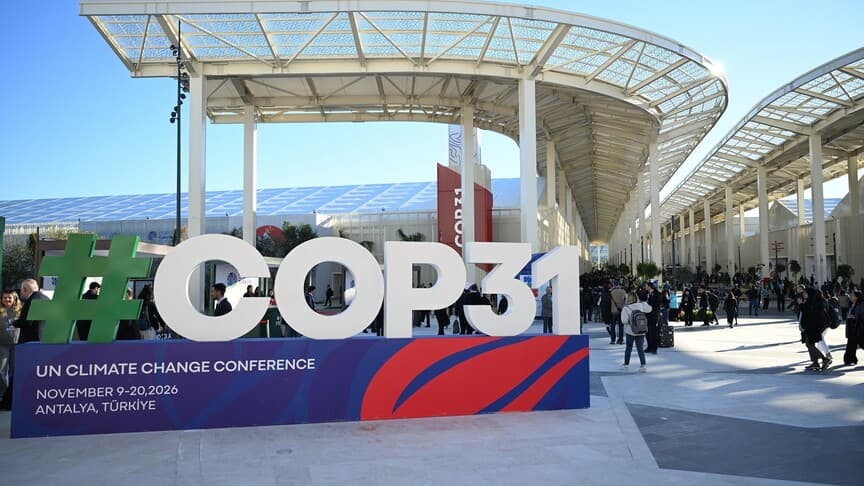
- COP31 is taking place in Antalya from November 9 to 20; Turkey holds the presidency, Australia leads the negotiations
- Turkey is promoting the '35 by 35' target: 35% of energy demand from electricity by 2035
- Turkey is promoting the '35 by 35' goal: 35% of energy demand from electricity by 2035
- The transition away from fossil fuels was not included on the official agenda; adaptation finance is the most contentious issue
- The transition away from fossil fuels was not included in the official agenda; adaptation finance is the most contentious issue
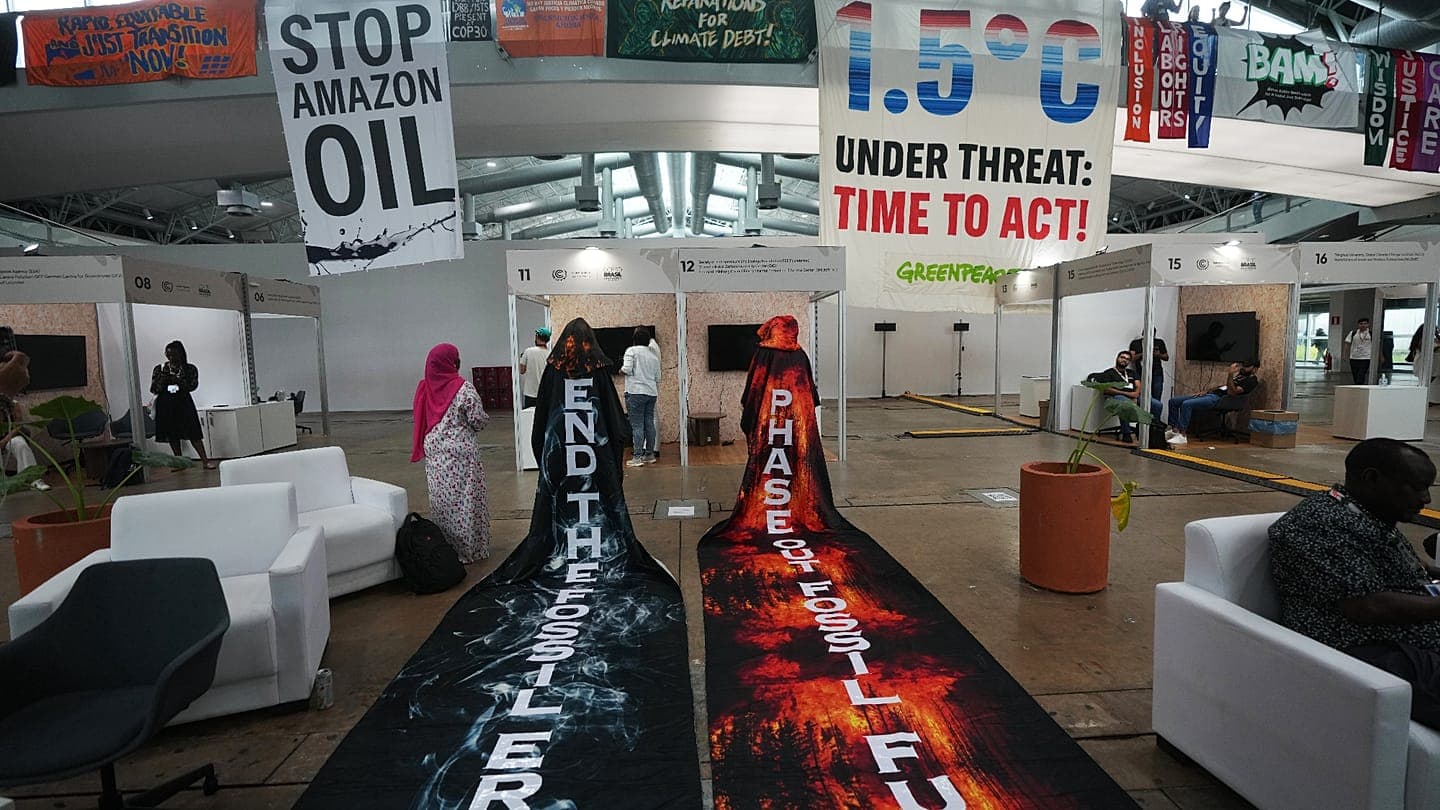
The summit opened against the backdrop of the 1.5 °C target being exceeded
The UN climate summit COP31 opened on November 9 in Antalya and will run until November 20, concluding with a package of consensus-based decisions and a parallel agenda of voluntary initiatives. The presidency format is unusual: Turkey is hosting the summit and setting the 'action agenda' — a mechanism of voluntary commitments for companies, cities, banks and civil society — but the marathon of formal negotiations will be steered by Australia, the result of a compromise after both countries vied to host the conference, Euronews reports.
Electrification and the dispute over the role of fossil fuels
Electrification will likely be the central theme: Turkey is calling on countries to adopt the '35 by 35' target — raising the share of electricity in global energy demand from roughly 20% to 35% by 2035. According to Climate Action Tracker's calculations, this would require electrification to proceed four times faster than at present: current policies deliver only 28% by 2035, on a trajectory the IEA associates with roughly 2.5 °C of warming by 2100. CAT analyst Samuel Guéret warns that the target could be met without any real emissions cuts — simply by adding electricity consumption or keeping fossil fuels in energy systems — so it should be considered alongside the renewables and efficiency targets agreed at COP28.
The transition away from fossil fuels was left off the official agenda
The topic of transitioning away from fossil fuels (TAFF), first enshrined at COP28 in Dubai, did not make it onto COP31's official negotiating agenda — progress has stalled since then, and fossil fuels were not even mentioned in the COP30 outcome document. Before handing over the presidency, Brazil published a voluntary global transition roadmap. The host's position is telling: coal was Turkey's largest source of electricity last year, and Energy Minister Alparslan Bayraktar advocates a 'just transition period' for those employed in coal mining, insisting that fossil fuels are necessary for energy security. At the same time, the energy crisis caused by the war in Iran has pushed oil and gas importing countries to develop their own renewable sources, and the IEA's 'Renewables 2026' report forecasts stronger renewables growth across a wider range of countries. The EU, for its part, insists on accelerated implementation of existing commitments — tripling renewables and doubling energy efficiency by 2030.
Methane and finance — the most contentious points
COP31 will launch the second Global Stocktake (GST2) — a two-year assessment of progress under the Paris Agreement. The UN warned back in September that the world is heading toward breaching the 1.5 °C threshold. 'We will not turn away and we will not lower our ambitions. The 1.5-degree target remains our compass,' said Turkey's Environment Minister and designated COP31 President Murat Kurum on the eve of the summit. A separate short-term lever is methane: it traps heat 80 times more strongly than CO2 over a 20-year horizon, and the Global Methane Pledge (a 30% cut from 2020 levels by 2030) could prevent more than 0.2 °C of warming by 2050. The contradiction in the EU's position is telling: the bloc recently postponed a regulation on methane leakage standards for imported fuels, citing energy security, yet it will co-host a ministerial meeting on the methane pledge in Antalya. The US will not send an official delegation — Trump withdrew the country from the Paris Agreement and initiated its exit from the UNFCCC, although members of Congress and business representatives will attend.
Money and protests
Finance is likely to become the most contentious issue. At COP29 in Baku, developed countries agreed to mobilize at least $300 billion per year for developing countries by 2035 within a $1.3 trillion goal, and at COP30 they agreed to pursue a tripling of adaptation finance — but without defining a baseline, the payers, or the mechanisms. A UNEP report released ahead of the summit showed that even such a tripling would cover only 23–29% of developing countries' needs. In parallel with the negotiations, the People's Climate Summit has been running since November 9 — an initiative of more than 100 organizations, with over 1,000 individuals and 300 organizations from 100 countries registered; a large march is planned for November 14. Turkish activists hope that space for protest will not be restricted as it was at the July NATO summit in Ankara, where police detained more than 4,400 people, but Özlem Katıöz of Climate Action Network Turkey warns that detentions could happen at any moment and urges delegates to weigh the presidency's statements against reality — for example, against the new coal-fired power plants that are still being built in the country.