The key facts
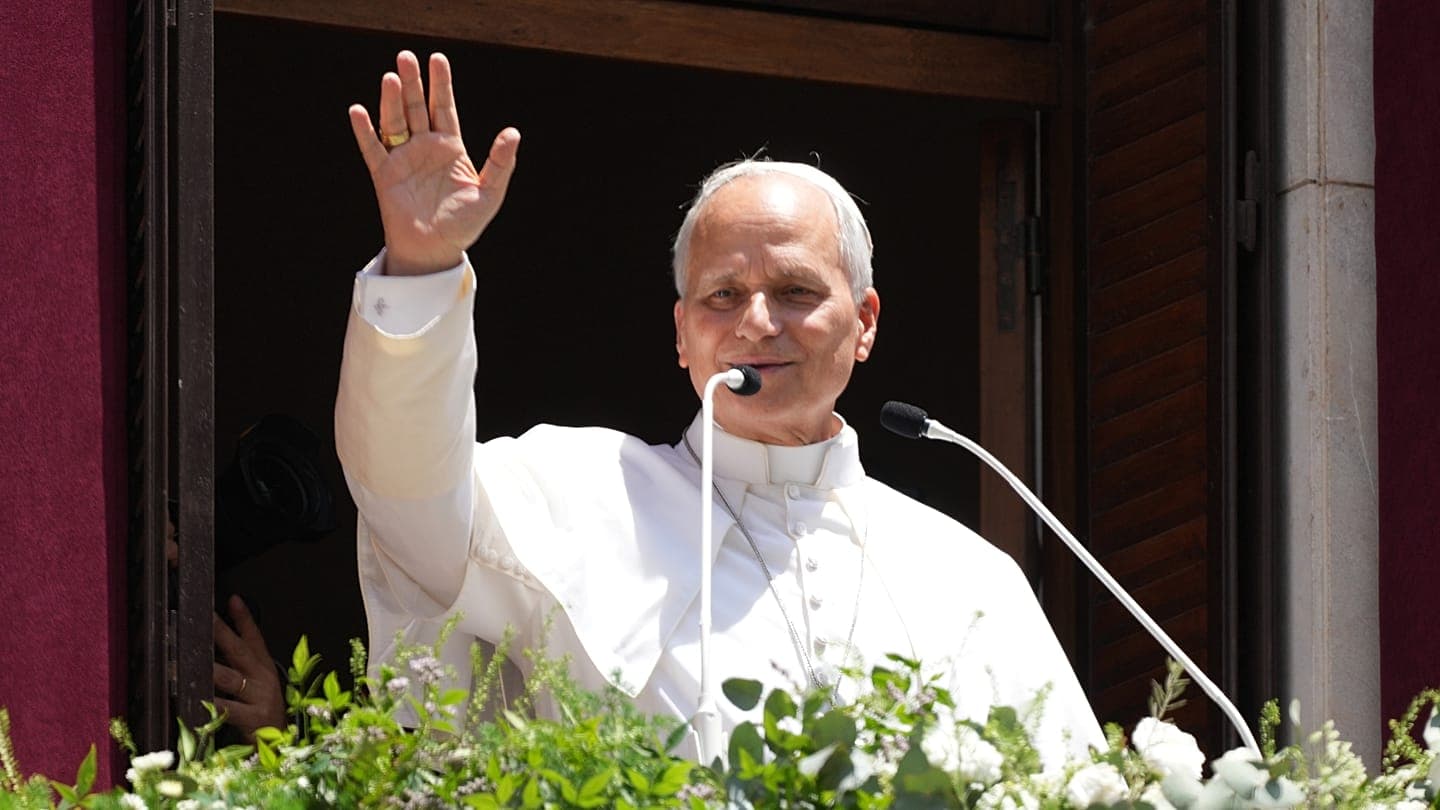
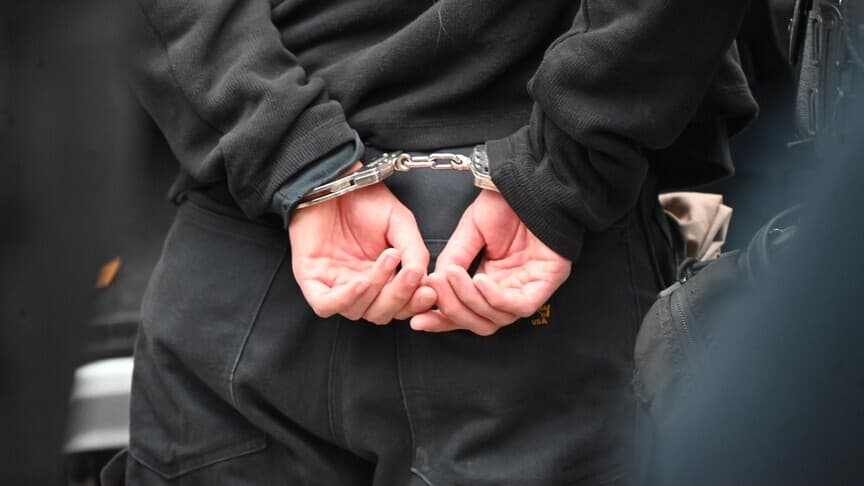
- A 49-year-old man was detained on charges of threatening Pope Leo XIV less than a day after intelligence was received
- Three mobile phones, including the one allegedly used to make the threatening call, and a drone were seized
- The Pope's visit to Argentina is the first in 39 years; it will last until November 11
Detention hours before the pontiff's arrival
Argentine authorities detained a 49-year-old man accused of making death threats against Pope Leo XIV just hours before the pontiff's arrival in the country. According to the State Intelligence Service (SIDE), the arrest took place less than 24 hours after officials received intelligence about the threats. The operation was carried out by the Argentine Federal Police on the orders of Federal Court judge Adrián González Charvay in Campana.
Course of the investigation and items seized
The investigation began on Friday afternoon after the federal police's Counter-Terrorist Investigation Unit flagged a threatening phone call made against the Pope's life. Cyber analysts and field analysts located a residence linked to the suspect. During the search, the man was detained and three mobile phones were seized, including, according to investigators, the device used to make the threatening call, as well as a drone whose potential use is now being examined. The man has been preliminarily charged with anonymous threats and public intimidation with terrorist intent.
Context of the visit
Pope Leo XIV arrived in Argentina on Sunday after a visit to Montevideo (Uruguay). Under his schedule, he will remain in the country until November 11, after which he will fly out of Ezeiza International Airport to Lima (Peru). This visit is the Pope's first trip to Argentina in 39 years. President Javier Milei declared the trip a matter of national interest and introduced local public holidays during the visit to manage the mass events. Notably, the threat was neutralized by a law enforcement operation precisely in the context of these large-scale public events, for which the authorities had prepared a special security regime in advance.