The key facts
- Rates of epigenetic aging increased among participants of all age groups during the pandemic
- The most pronounced changes were in adolescents, as well as in people with health problems and low well-being
- It is unknown whether the changes will lead to an increased risk of diseases — long-term observations are needed
What the researchers found
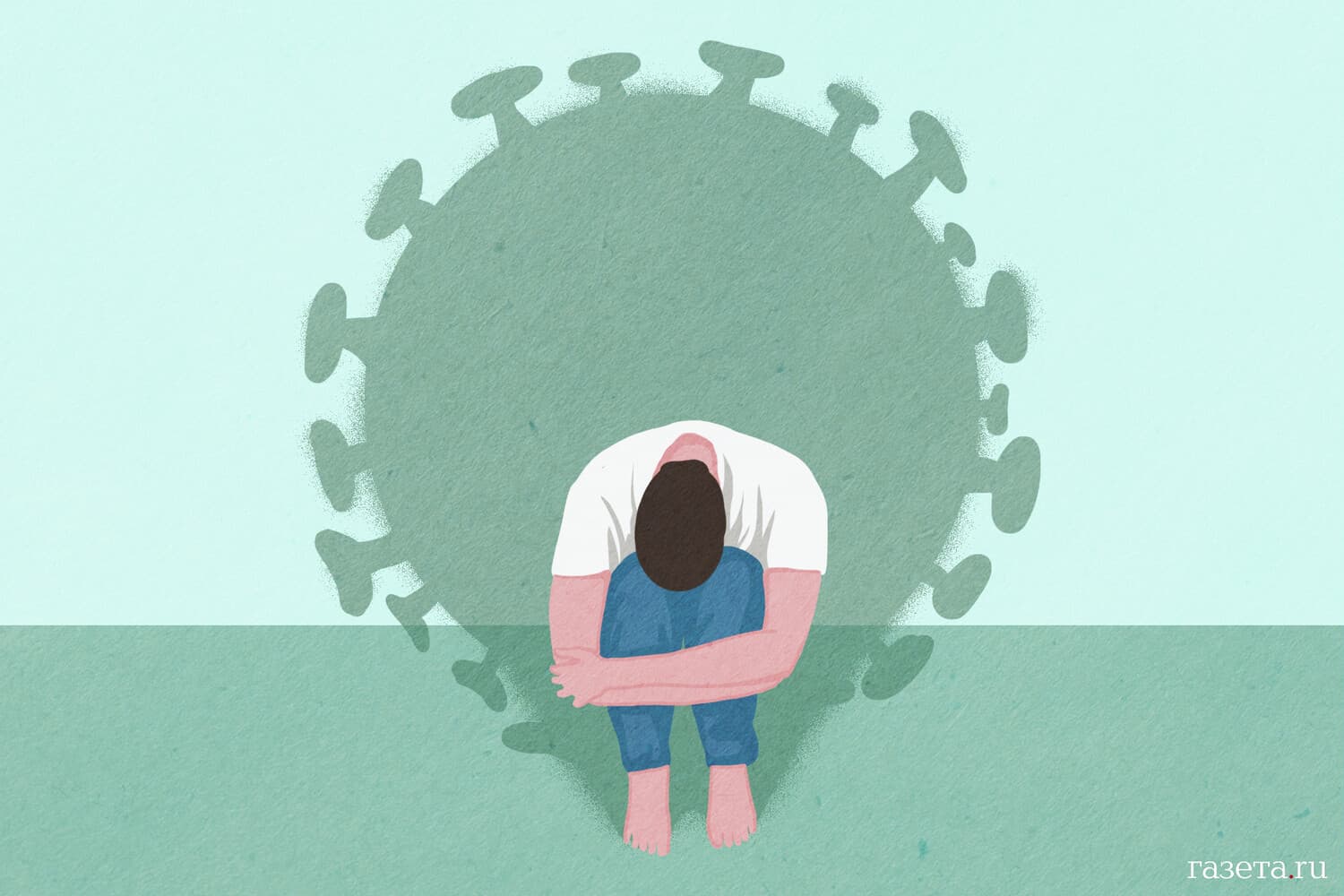
Stress associated with the COVID-19 pandemic accelerates the epigenetic aging of the body, especially in adolescents — this is the conclusion reached by scientists from Germany; the study was published in the journal Proceedings of the National Academy of Sciences (PNAS), reports Gazeta.Ru. The authors analyzed data from more than a thousand children, adolescents, and adults: DNA samples from saliva were collected before the first lockdown in March 2020, and then after the second one — in the winter of 2021 and the spring of 2022.
How aging was measured
The assessment was carried out using so-called epigenetic clocks — indicators based on changes in DNA methylation. They reflect how quickly age-related changes occur in the body; accelerated epigenetic aging has previously been linked to an increased risk of various diseases.
Who was affected the most
The analysis showed that during the pandemic, the rates of epigenetic aging increased among participants of all age groups. The most pronounced changes were observed in those who, even before the pandemic, had health problems, lower subjective well-being, or were in a less favorable socioeconomic position.
Why adolescents in particular
The link between stress and epigenetic changes turned out to be especially noticeable in adolescents: their condition was most strongly affected by the feeling of the pandemic's severity, including restrictions on communication with peers. The researchers did not find such a relationship in children and adults. «Adolescents may be particularly sensitive to stress due to changes in the body during puberty and restrictions on social contacts. In children and adults, the changes may have been related to other consequences of the pandemic, such as reduced physical activity,» the scientists said.
What remains unknown
The authors emphasized that it is not yet known whether the detected epigenetic changes will lead to an increased risk of diseases in the future — long-term observations are needed for this. Thus, the study documents an acceleration of age-related changes in DNA methylation, but does not prove long-term health consequences.