The key facts
- Abbas Araghchi linked the situation to the outcome of the US midterm elections
- Iran demands an end to the war on all fronts, the lifting of the blockade on ports, and a softening of oil sanctions
- In return, Tehran is ready to open the Strait of Hormuz and return to negotiations, including on the nuclear issue
A warning after the elections
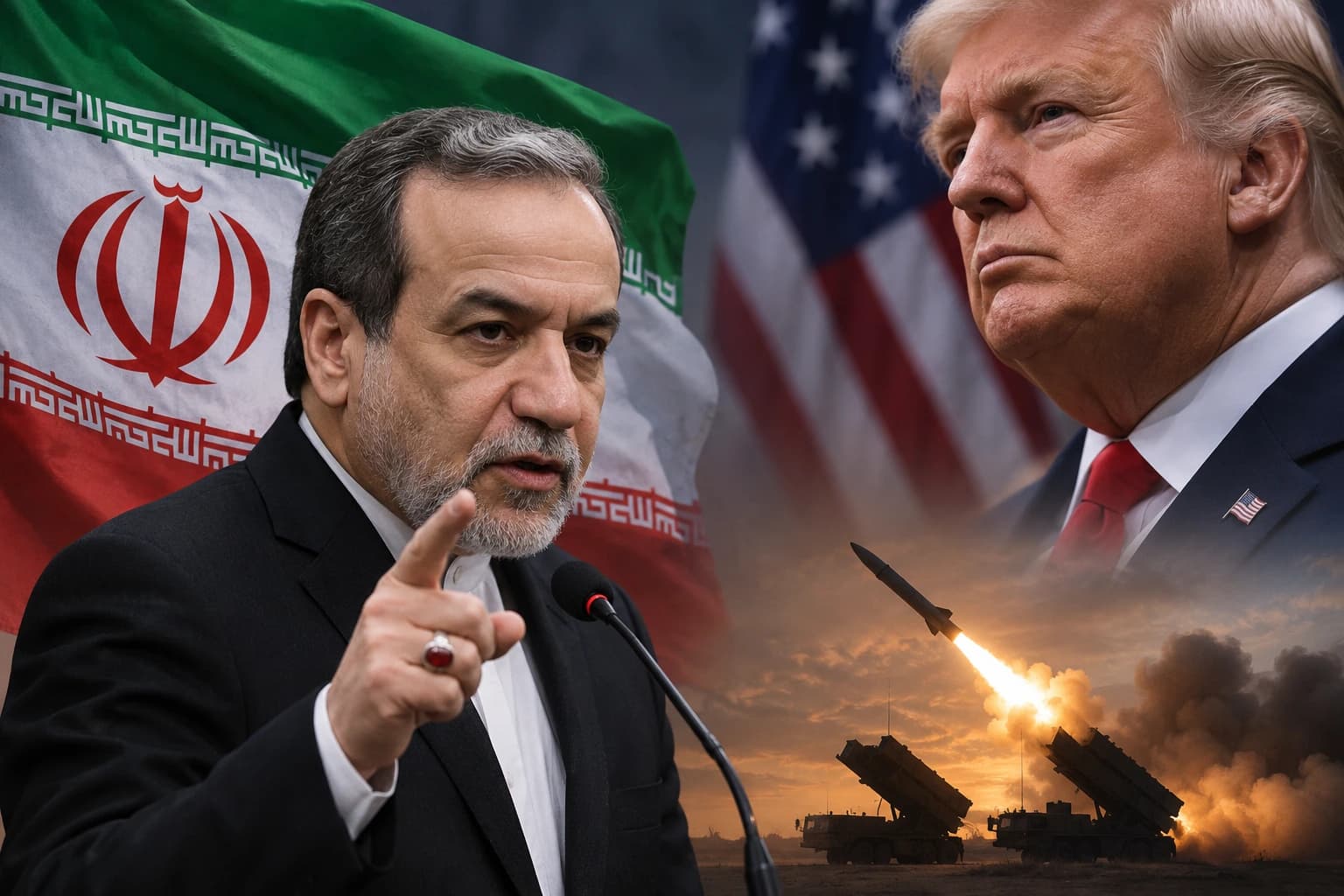
Iranian Foreign Minister Abbas Araghchi issued a stern warning to Donald Trump's administration: if the president decides to continue the war instead of a peace agreement, Tehran will respond with military force. The minister's remarks, which are highlighted by Life.ru, came against the backdrop of the US midterm elections. 'American voters have made their choice. Now it is time for the White House to make its own,' Araghchi wrote on social media.
The terms of Iran's plan
According to the minister, Iran's proposal to end the war remains in force. The plan calls for a cessation of hostilities on all fronts, including Lebanon, the lifting of the American naval blockade of Iranian ports, a softening of oil sanctions, and the unfreezing of the country's foreign assets. In return, Tehran is ready to restore commercial shipping through the Strait of Hormuz and return to negotiations with the United States, including on the nuclear program. 'Meet the demands, including ending the war on all fronts, and you will see the results. Or choose war — and you will see how our combat-ready, battle-hardened warriors unleash hell upon you,' Araghchi said.
What had already been agreed regarding the strait
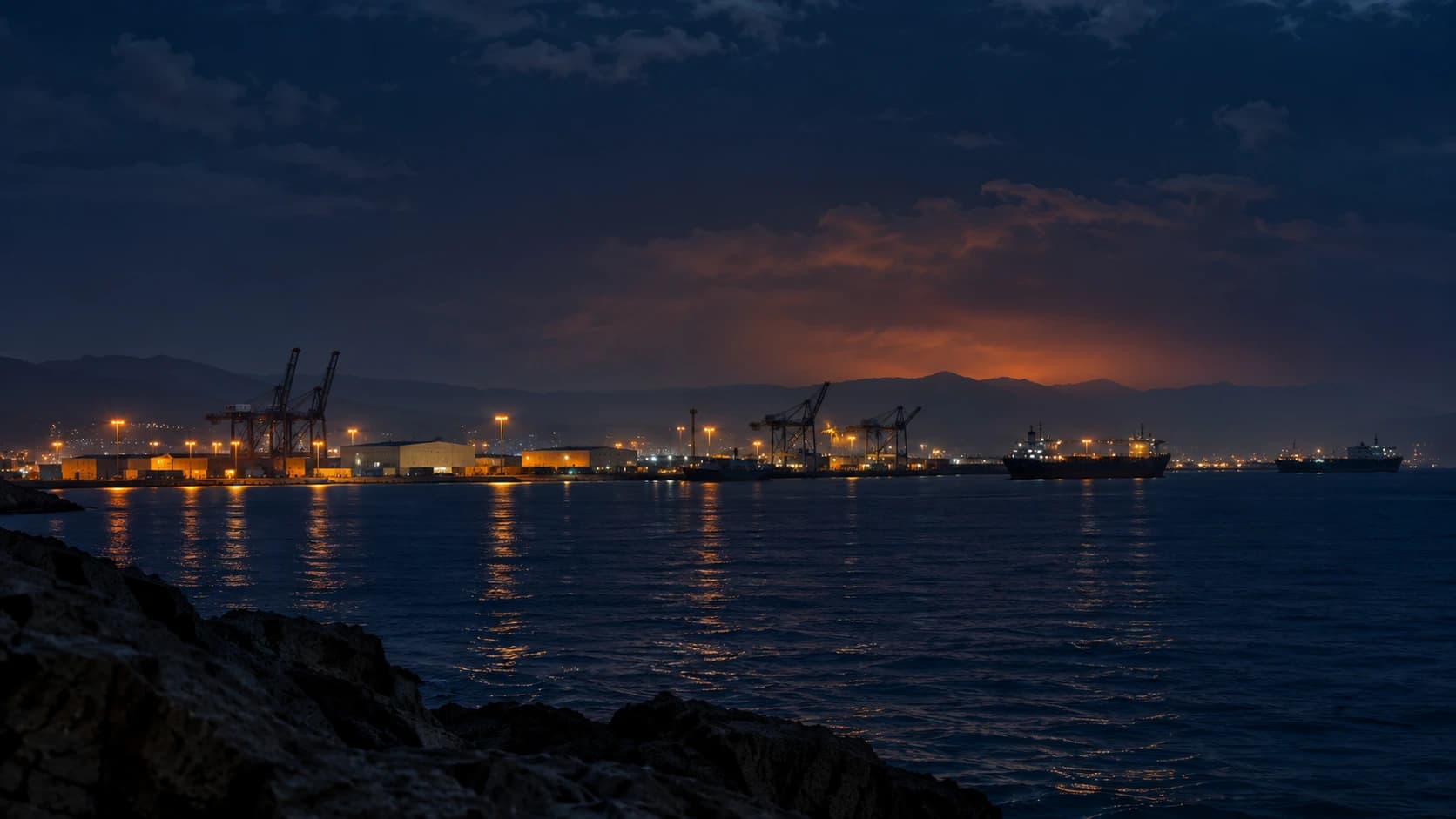
The minister's statement continues Tehran's recent line: earlier, as Life.ru reported, Iran agreed to open the Strait of Hormuz within two days if agreements with the United States were reached. At the time, Araghchi said Iran was ready to shorten the timeline for restoring shipping, but demanded recognition of the new shipping route developed jointly with Oman, and that meeting Iran's conditions should create a basis for resuming negotiations with Washington. Thus, the new statement confirms that the diplomatic proposal remains on the table, but is accompanied by a direct military threat in case of refusal. According to the minister himself, how the situation develops depends on the decisions of the American administration.