The key facts
- Saxony's Minister-President Michael Kretschmer estimated Germany's industrial losses at roughly 15,000 jobs per month
- Federal Employment Agency statistics: minus 174,000 people employed in manufacturing over the 12 months through June 2026
- According to the ifo institute, industry has lost almost 500,000 jobs since 2019, while the service sector has created more than 2 million
A politician's assessment and official statistics
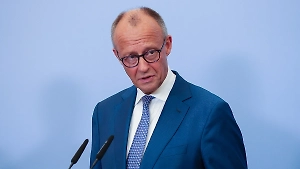
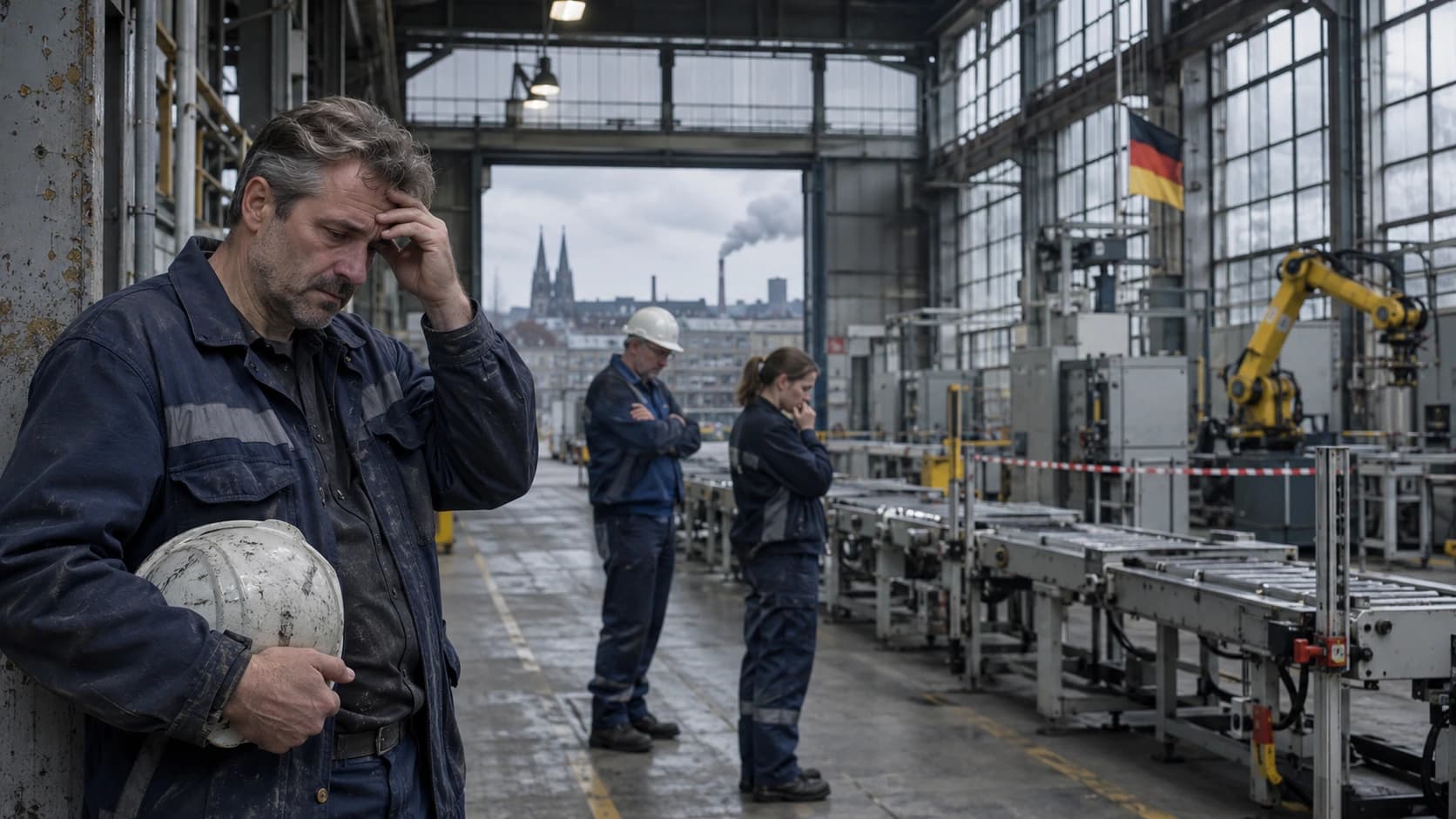
Germany is losing about 15,000 industrial jobs every month, said Michael Kretschmer, Minister-President of the state of Saxony. According to him, the situation calls for urgent measures to support businesses and preserve the country's industrial potential. These figures match data from the Federal Employment Agency: over the twelve months through June 2026, employment in manufacturing fell by roughly 174,000 people, which corresponds to an average decline of almost 15,000 positions per month.
A shrinking workforce is not only layoffs
An important caveat made by the Life.ru publication itself: what is meant is a reduction in the total number of people employed, not necessarily mass layoffs. Companies may reduce headcount through employees retiring, choosing not to fill vacancies that open up, and other staffing decisions. This means the statistics reflect an overall contraction of industrial employment rather than a wave of one-off layoffs.
Who is losing jobs and why
Traditional industries are under the greatest pressure: automotive manufacturing, auto parts production, metallurgy and mechanical engineering. Companies face high costs, weak demand and the need to restructure production processes. Enzo Weber, an economist at the Institute for Employment Research, sees the main problem in the fact that Germany is failing to renew its economic structure in time: traditional companies are losing ground, while promising sectors are not yet creating a comparable number of new jobs. He names hydrogen technologies, energy storage systems, electric transport and the combination of robotics with artificial intelligence as possible sources of growth, but, according to him, German companies are in no hurry to invest in new production facilities within the country.
A long-term shift in the labor market
The scale of the transformation is shown by a study by the ifo institute: since 2019, German industry has lost almost half a million jobs, while the service sector has created more than two million new positions over the same period. The context of the problem is also confirmed by an earlier Life.ru report: Chancellor Friedrich Merz acknowledged the large-scale decline in industrial employment, spoke of the need to preserve Germany's status as an industrial power and pledged to fight job losses against the backdrop of the crisis in the automotive industry and a rise in major bankruptcies; a notable example was Volkswagen, which is carrying out a large-scale restructuring of its production.