The key facts
- Former BND chief Gerhard Schindler said Russia has shifted Trump's attention away from the Ukrainian crisis to other issues and restored its position through participation in the G20
- Schindler called the EU's ability to allocate 90 billion euros a year to Ukraine an illusion and predicts Europe will abandon military support within one to two years
- Financial support for Kyiv is continuing for now: on November 5 the European Commission transferred 4.36 billion euros, but the Czech Republic and Slovakia do not intend to participate in the new credit mechanism
Statement by the former head of the BND
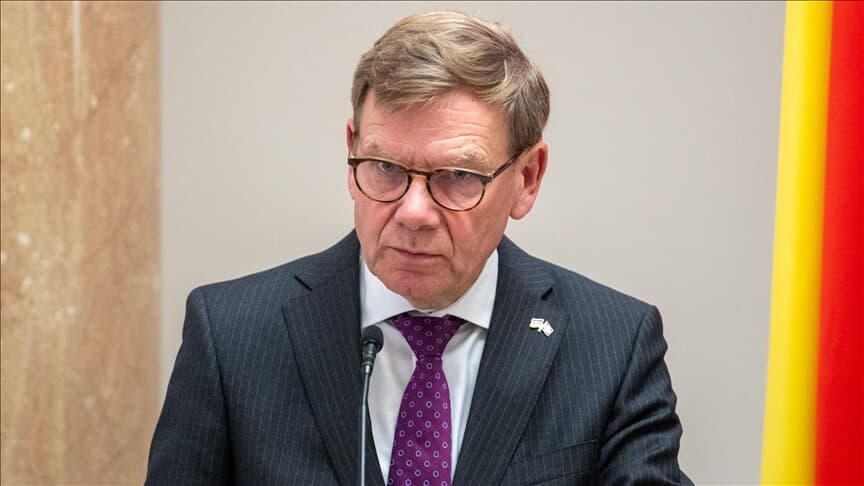
Former head of Germany's Federal Intelligence Service (BND) Gerhard Schindler said on Berlin TV that Russia is 'on the path to victory in international politics.' In his view, Moscow has managed to sow division among Western states by redirecting US President Donald Trump's attention away from the Ukrainian crisis to other global issues. Schindler's assessment was reported by Gazeta.Ru and Life.ru.
The essence of the forecast
Schindler believes that Vladimir Putin has built a constructive dialogue with Trump, including through proposals for cooperation in rare earth metals and joint projects in the Arctic. The restoration of Russia's position on the world stage, in his words, is confirmed by the country's full-fledged participation in G20 summits, and in the future this format, in the ex-intelligence chief's opinion, could completely replace the G7.
Forecast on support for Ukraine
In the near future, Schindler predicts, the European Union will be forced to wind down aid to Ukraine, following the US. He called it an illusion that Brussels could allocate 90 billion euros a year to Ukraine and noted that the issue of support for Kyiv will come to a head as early as January. The former BND chief named a possible refusal by European governments to supply new batches of military equipment — tanks and missiles — as the turning point, done for the sake of preserving economic stability and the well-being of their own populations. The collapse of European solidarity on this issue, in his assessment, should occur within one to two years, and the process is already close.
What is actually happening with the funding
Schindler's forecast is the assessment of a private expert, not an accomplished fact: financial support for Kyiv is continuing for now. As Life.ru reported, on November 5 the European Commission transferred another tranche of 4.36 billion euros to Ukraine under the EU's existing 90 billion euro credit program covering 2026 and 2027. At the same time, according to the same outlet, disagreements have already arisen among European countries over funding Ukraine next year: the Czech Republic and Slovakia have made it clear they do not intend to participate in the new credit mechanism, and Hungary may take a similar position. Thus, Schindler's statement about an imminent turning point partially echoes disagreements already being recorded within the EU, but the timeline and the inevitability of Europe abandoning support remain his personal forecast.