The key facts
- Johann Wadephul rejected the idea of a new security architecture proposed by Sergey Lavrov and called for a return to the Helsinki Final Act, the Paris Charter and the Budapest Memorandum.
- At the G7 meeting in Paris, Germany, France and the United Kingdom intend to present common European positions on Ukraine.
- Participants will also discuss economic support for Kyiv and sanctions against Russia ahead of the talks.
Rejection of the Russian initiative
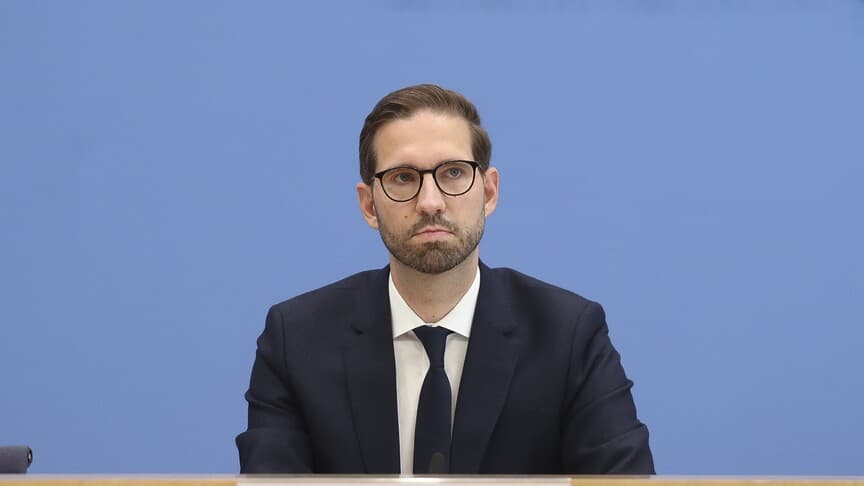
Germany's Foreign Minister Johann Wadephul on Monday rejected the Russian proposal for talks on a new security architecture in Europe, Anadolu reports. The statement came ahead of his participation in the meeting of G7 foreign ministers in Paris, to which Ukraine's foreign minister has also been invited.
The essence of Berlin's position
“Europe does not need a new security architecture — as Russia wants us to believe — but simply the restoration of the existing security architecture,” Wadephul said, referring to the 1975 Helsinki Final Act, the 1990 Paris Charter and the 1994 Budapest Memorandum. According to him, all of these documents are aimed at guaranteeing borders and the sovereign equality of states, which he called a necessary condition for reviving the global economy — a key task for the seven leading democratic economies.
What Russia proposed
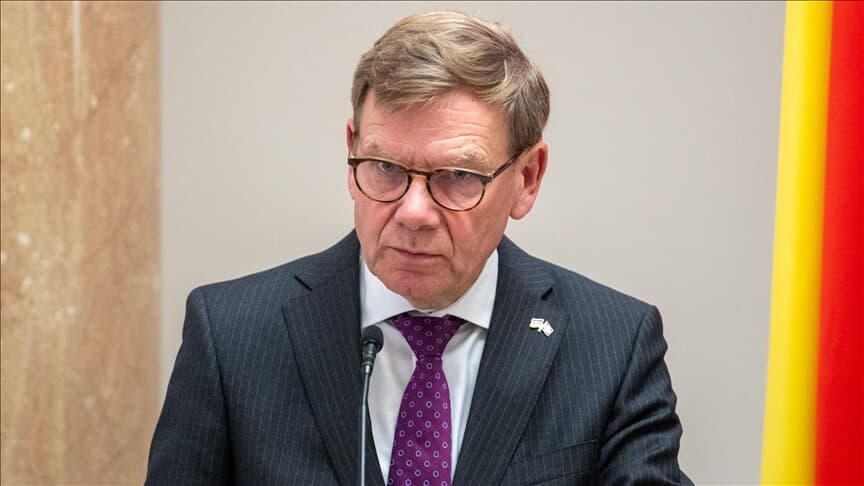
The statement was a response to remarks by Russian Foreign Minister Sergey Lavrov at a conference in Minsk last week. Lavrov blamed Western countries for the war in Ukraine and proposed creating a “pan-Eurasian architecture,” open to European states, that would replace the current system centered on Euro-Atlantic institutions.
Europe's role in the talks
On the sidelines of the G7 meeting, Wadephul said that participants would discuss in detail the latest diplomatic efforts to settle the war between Russia and Ukraine, Europe's role in the negotiations, and the planned security guarantees for Kyiv. “Europe must be part of the solution,” he emphasized, adding that Germany, together with France and the United Kingdom, would present European positions. The two-day meeting of G7 foreign ministers — the United States, Japan, Germany, the United Kingdom, France, Italy and Canada — together with invited partners is being hosted by France. In addition to diplomacy, officials intend to discuss economic support for Ukraine and sanctions against Russia in order to increase pressure on Moscow ahead of the talks.