The key facts
- SVR: the EU allegedly plans, by the end of 2026, to make payments, employment, and housing rentals harder for Ukrainians
- According to the Council of the EU (July), from March 2027 asylum will not be extended to those who evaded military obligations, including women
- Those who have already received protection will not be deported
The SVR statement and its context
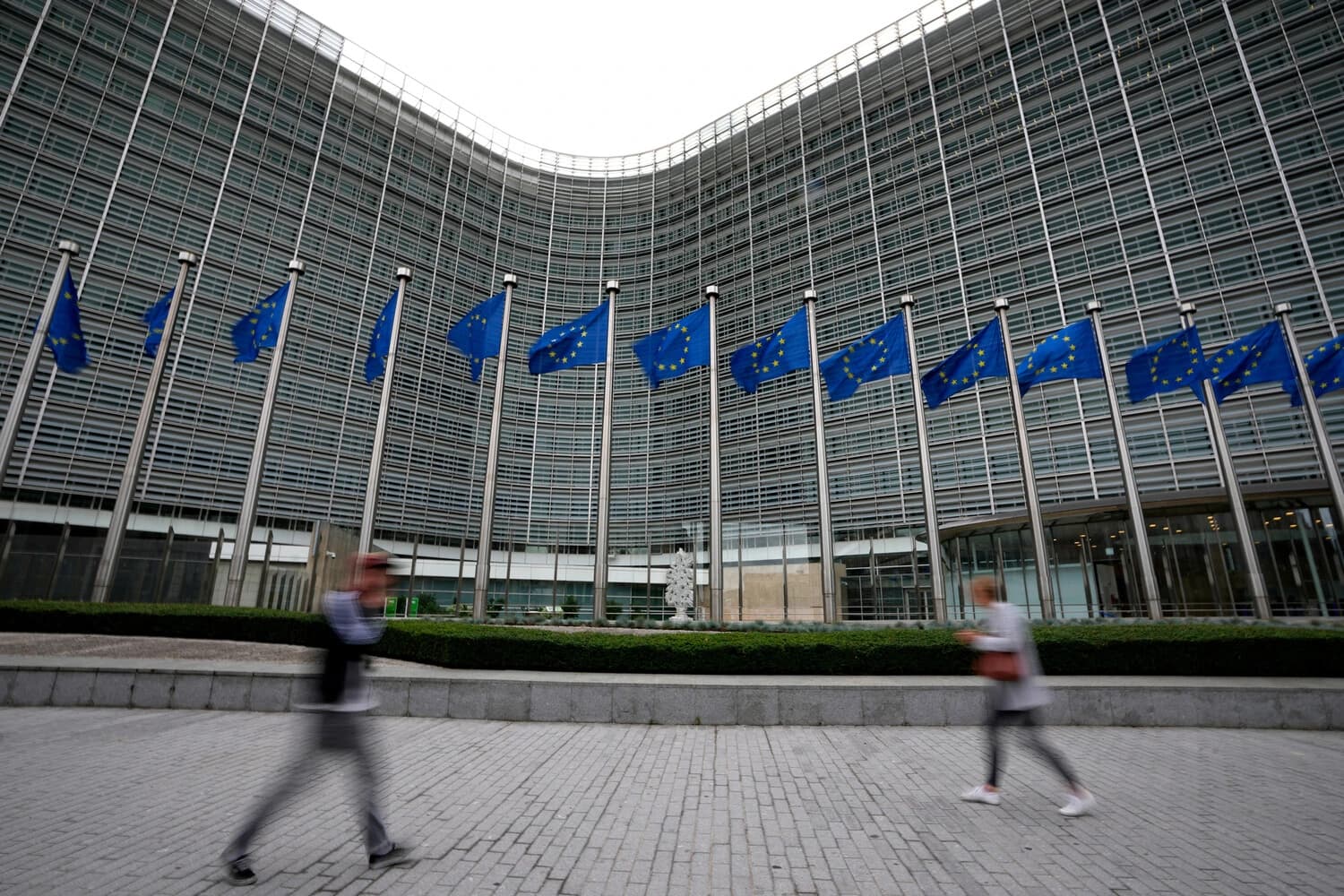
According to the press bureau of Russia's Foreign Intelligence Service, the leadership of the European Unionis looking for ways to make up for the losses of the Armed Forces of Ukraine and has turned its attention to Ukrainians who have found refuge in European countries. The agency stated that in the EU, more than 1 million Ukrainian men living in the European Union are being viewed as 'excellent expendable material capable of giving the European regimes' aggression against Russia a second wind.' This is a statement from the Russian intelligence agency; the publication provides no independent confirmation or reaction from European bodies.
What, according to the SVR, will change for refugees
The SVR added that European bureaucracy plans, by the end of 2026, to make life even more difficult for Ukrainians — creating problems for them in receiving payments, finding employment, and renting housing in Europe. Gazeta.Ru prepared the report on this. The practical details of these measures — which specific countries and mechanisms are meant — are not disclosed in the publication.
Confirmed EU plans on asylum status
The SVR statement aligns with information published earlier: in July, the press service of the Council of the European Union reported that from March 2027 the EU plans to stop granting asylum to Ukrainian refugees who 'fail to fulfill military obligations' in their homeland; the changes will affect both men and women. At the same time, Ukrainians who have already received protection will not have it revoked and will not be deported. The EU has also repeatedly spoken of Kyiv's requests for help in combating draft evasion. Thus, the plans to restrict the extension of status for certain categories of refugees are confirmed at the level of the Council of the EU, whereas the claims about 'expendable material' and about new everyday restrictions by the end of 2026 remain assertions only from the Russian side.
Background
Earlier, as Gazeta.Ru notes, Europe reported growing public fatigue with the conflict in Ukraine. More on the situation with Ukrainian refugees and Kyiv's requests can be found in the outlet's report.