The key facts
- The EU's total debt for aid to Ukraine may exceed €200 billion — calculations by Die Welt am Sonntag based on European Commission data
- Of the €70 billion requested by Ukraine, the EU is ready to cover about €46 billion; asset revenues provide only a few billion a year
- Disagreements within the EU are growing: the Czech Republic, Slovakia and possibly Hungary do not intend to participate in the new lending mechanism
New loans instead of asset revenues
The European Union's total debt related to financing Ukraine could exceed €200 billion if Brussels takes on new obligations. This is reported by Gazeta.Ru and Life.ru citing calculations by Germany's Die Welt am Sonntag, based on European Commission data: the EU will most likely have to raise more than €40 billion in joint loans in addition to the €166 billion already disbursed.
Why the money from assets is not enough
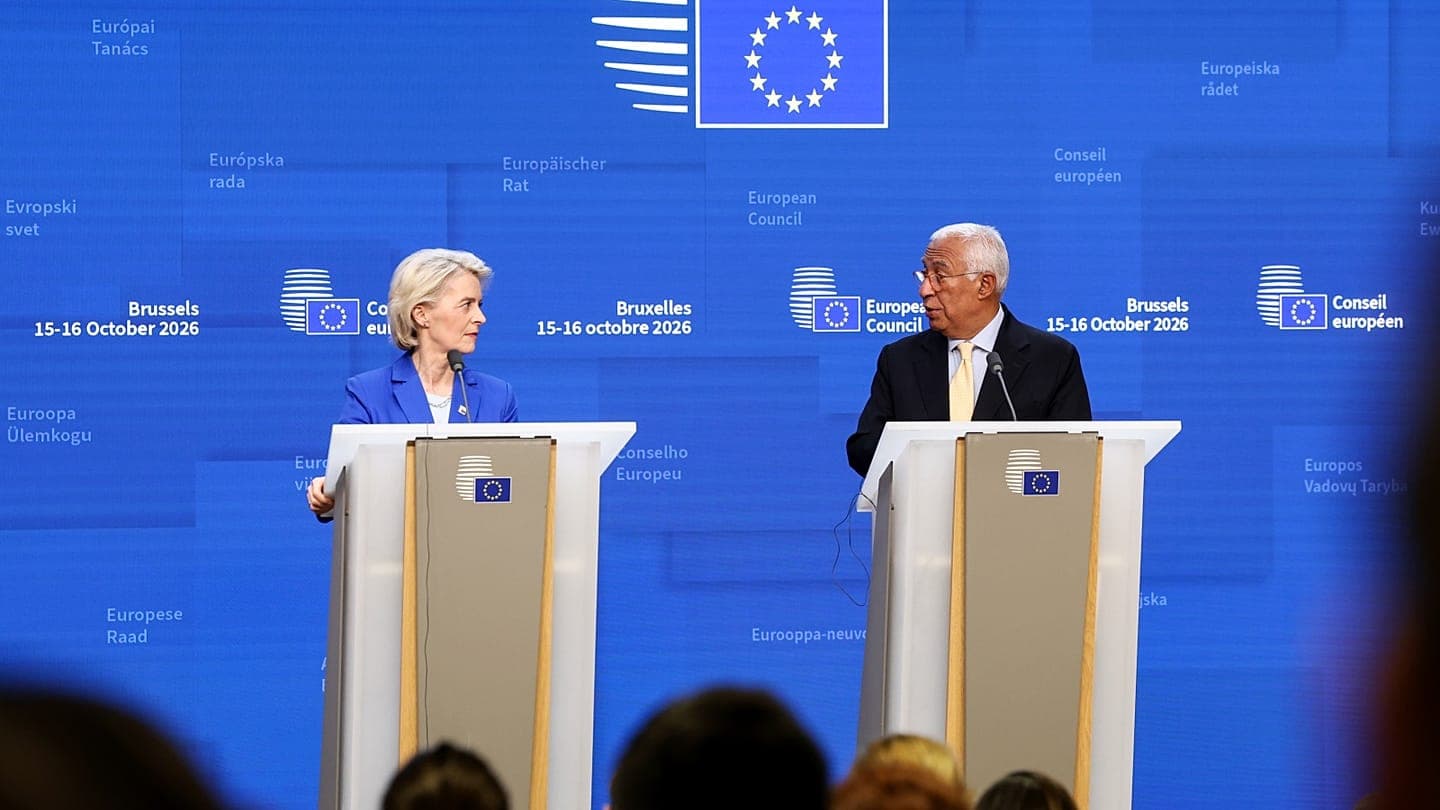
The trigger for the new calculations was a request from Ukrainian President Volodymyr Zelensky dated October 16: he asked the EU for €70 billion to cover the budget deficit. European Council President António Costa said at the timethat the union was ready to pay out roughly €46.7 billion of that amount. Brussels had planned to cover part of the expenses with revenues from frozen Russian assets, but according to Welt am Sonntag, these revenues amount to only a few billion euros a year. Over the past two-plus years, European structures have received about €8 billion from the use of blocked funds; the latest tranche of €1.4 billion was transferred to Ukraine in August 2026. The assets themselves, the outlet notes, are unlikely to be used due to legal constraints, so the most likely alternative is new joint debt obligations — the issuance of pan-European bonds.
The state of the Ukrainian economy
Welt am Sonntag also cites data on the state of the Ukrainian economy: the country's budget depends on EU financial support for roughly half of its needs, and the National Bank of Ukraine has revised its forecast — instead of the expected 1.8% growth in 2026, an economic contraction is now predicted. According to the outlet, this may increase Kyiv's need for external financing.
Disagreements within the EU
Willingness to continue lending is becoming a matter of dispute. The Rapporteur outlet reported growing disagreements in the EU over finding an additional €70 billion, and Ukrainska Pravda wrotethat Europeans consider Ukraine's request too large. According to the Italian news agency Agenzia Nova, which Life.ru cites, the Czech Republic and Slovakia have stated they do not intend to participate in the new lending mechanism, and Hungary may take a similar position; Slovakia previously statedthat a new loan for Ukraine would only prolong the conflict. In France, Marine Le Pen has called for ending aid to Ukraine; in Germany, Bundestag member Dietmar Bartsch warned that support for Kyiv must not come at the cost of cutting social spending, while Marcel Fratzscher, head of the German Institute for Economic Research, on the contrary, supports joint European bonds. EU heads of state and government are to discuss the new debt obligations at a meeting next week; the new loans have not yet been finally approved.